











































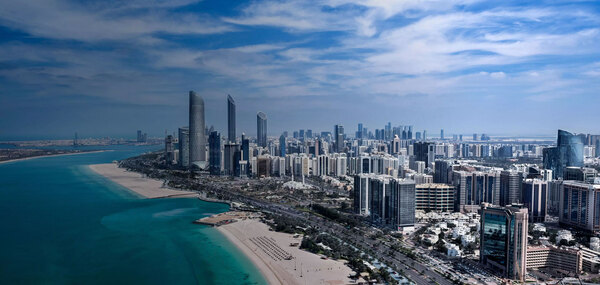




The United Arab Emirates stands at the vanguard of a global paradigm shift towards sustainable energy. With an ambitious vision and strategic foresight, the nation is actively spearheading initiatives that not only promise to decarbonize its own economy but also to profoundly influence the worldwide energy landscape. At the heart of this transformative agenda lies the UAE's National Hydrogen Strategy, a comprehensive roadmap designed to position the Emirates as a leading global hub for low-carbon hydrogen production and innovation. This strategy is more than an environmental commitment; it's a bold economic diversification plan, fostering new industries, creating skilled jobs, and cementing the UAE’s role as a responsible energy leader for generations to come. It signifies a pivotal moment, leveraging the nation's abundant renewable energy potential and established energy infrastructure to drive a truly green economy.
Foundations of the UAE's Hydrogen Ambition: Definitions, History, and Key Principles
Hydrogen, the universe's most abundant element, is increasingly recognized as a crucial energy carrier in the quest for decarbonization. In the context of the UAE's National Hydrogen Strategy, the focus is primarily on ‘green hydrogen’ – produced through electrolysis powered by renewable energy sources like solar and wind – and ‘blue hydrogen,’ which uses natural gas with carbon capture and storage (CCS) technologies. These forms represent a significant departure from traditional fossil fuels, offering a path to reduce greenhouse gas emissions across hard-to-abate sectors such as heavy industry, long-haul transport, and aviation. The UAE's journey into hydrogen is not nascent; it builds upon decades of expertise in energy production and a proactive stance on climate action, including significant investments in renewable energy projects like Masdar. Key principles guiding this strategy include leveraging existing infrastructure, fostering technological innovation, creating robust regulatory frameworks, and forging international partnerships to accelerate market development and adoption. This foundational approach ensures a pragmatic yet ambitious trajectory towards a hydrogen-powered future.
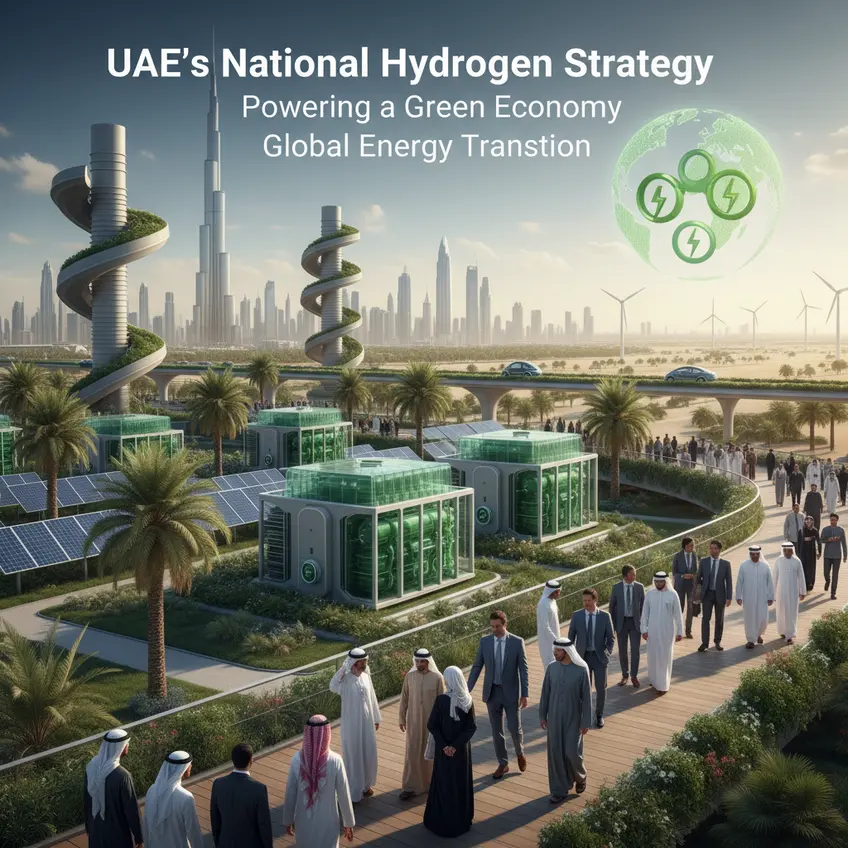
The Emirates' commitment to a sustainable future is further underscored by the growing demand for specialized services. For businesses looking to establish a strong online presence in this evolving landscape, partnering with a proficient website creation agency in Dubai & UAE is crucial. This foundational digital infrastructure supports the growth of new green industries.
Current Trends & Recent Statistics (2024/2025) Shaping the Hydrogen Economy in the UAE
The landscape of the global hydrogen economy is rapidly evolving, and the UAE is not merely observing but actively shaping these trends. Recent data from 2024 and projections for 2025 indicate a significant acceleration in hydrogen project development within the Emirates. The nation aims to capture a substantial share of the global hydrogen market, targeting a 25% share of low-carbon hydrogen by 2030. This ambition is backed by substantial investments, with billions allocated to pilot projects and large-scale production facilities. For instance, Abu Dhabi's Masdar, ADNOC, and Siemens Energy are pioneering green hydrogen production with electrolyser capacities set to expand exponentially. Statistics show a growing global interest in hydrogen derivatives like ammonia and methanol, with the UAE strategically positioning itself as an exporter of these critical energy commodities. Moreover, the focus is not solely on production; the development of robust supply chains, including innovative transportation and storage solutions, is also a top priority. This holistic approach ensures the UAE's strategy is economically viable and globally impactful.
Driving Factors: Global Demand and Domestic Innovation
Two primary forces are propelling the UAE's hydrogen strategy: escalating global demand for decarbonized energy solutions and robust domestic innovation. Internationally, countries in Europe and Asia are actively seeking reliable sources of clean hydrogen to meet their net-zero targets, creating a lucrative export market for the UAE. Domestically, the nation's commitment to economic diversification, coupled with its vast solar resources, provides an ideal environment for low-cost green hydrogen production. The UAE's strategic location, world-class logistics infrastructure, and proactive government policies, including incentives for R&D and private sector investment, are fostering an ecosystem ripe for technological breakthroughs. This fusion of external market pull and internal drive for innovation is critical to the strategy's success, making the UAE an attractive hub for hydrogen-related businesses and talent. This environment also presents opportunities for a leading marketing consultancy agency in Dubai to support these emerging enterprises.
Statistical Milestones: Capacity, Investment, and Partnerships
The UAE's hydrogen journey is marked by impressive statistical milestones. By 2025, several gigawatts of electrolysis capacity are expected to be operational or under development, significantly contributing to the nation’s clean energy portfolio. Total investments in hydrogen projects across the Emirates are projected to reach tens of billions of dollars by the end of the decade, attracting major international players and fostering public-private partnerships. These collaborations extend beyond production, encompassing research in advanced materials, fuel cell technologies, and carbon capture utilization and storage (CCUS). For example, significant progress has been made in establishing partnerships with Germany, Japan, and South Korea for hydrogen export, underscoring the international confidence in the UAE’s capabilities. These statistics paint a picture of a nation rapidly scaling up its hydrogen infrastructure and solidifying its position as a key player in the global energy transition.
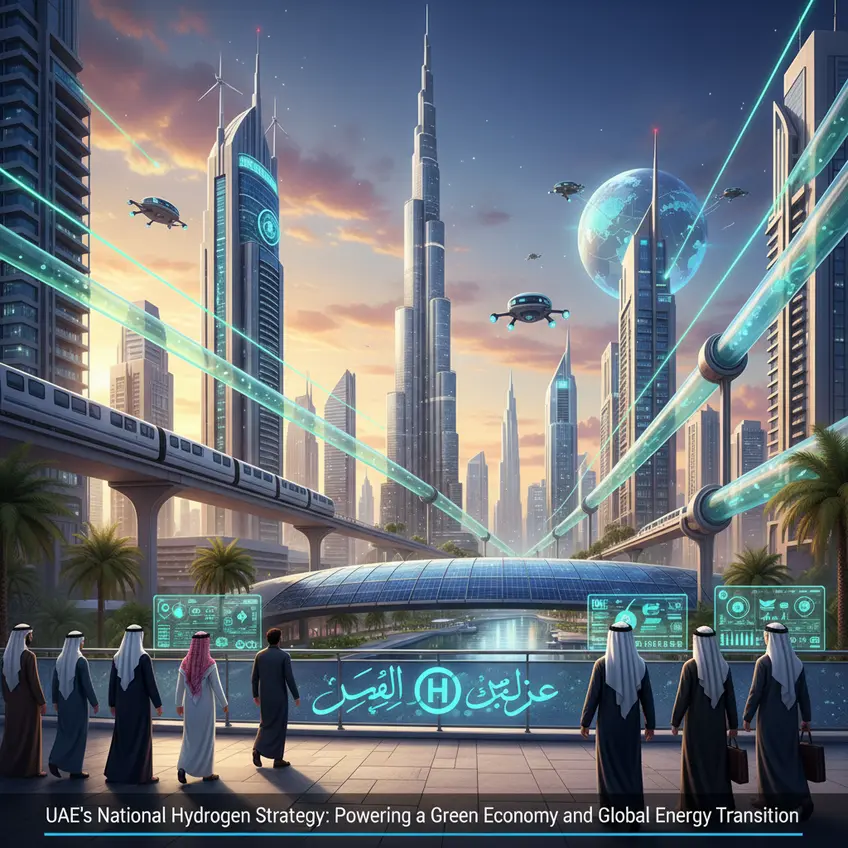
As the UAE accelerates its green initiatives, the demand for sophisticated digital platforms also rises. This creates immense opportunities for a specialized mobile app development agency in Dubai UAE to craft solutions that support the logistics, monitoring, and commercial aspects of the burgeoning hydrogen economy.
Comparison of Main Hydrogen Production Options and Their Strategic Role in the UAE
The UAE's hydrogen strategy acknowledges the diverse pathways to hydrogen production, each with its unique advantages and challenges. While green hydrogen, produced via renewable-powered electrolysis, is the ultimate long-term goal for full decarbonization, blue hydrogen, derived from natural gas with carbon capture, provides a crucial transition pathway. This pragmatic dual-approach leverages the UAE’s extensive natural gas reserves and existing infrastructure while simultaneously investing heavily in its abundant solar and wind resources. Grey hydrogen, traditionally produced from fossil fuels without carbon capture, is being phased out in favor of these lower-carbon alternatives. The nation is also exploring emerging technologies like turquoise hydrogen (from methane pyrolysis) to diversify its portfolio. The strategic emphasis is on scaling up production efficiency, reducing costs, and ensuring the sustainability credentials of all hydrogen pathways adopted. This multi-pronged approach allows for flexibility and resilience in meeting both domestic demand and export ambitions.
Detailed Comparative Table: Hydrogen Production Pathways in the UAE
The UAE's strategic investment in both green and blue hydrogen pathways demonstrates a pragmatic approach to accelerating the energy transition, ensuring energy security, and capitalizing on its natural endowments. This dual strategy facilitates immediate emissions reductions while paving the way for a fully renewable-powered hydrogen economy.
A Practical Guide to Leveraging the UAE's Hydrogen Ecosystem for Investment and Innovation
For businesses and investors eyeing the burgeoning hydrogen sector, understanding how to navigate and contribute to the UAE’s hydrogen ecosystem is paramount. The nation offers a conducive environment for innovation, driven by government support, access to capital, and a commitment to R&D. Engaging with key stakeholders and understanding regulatory frameworks are crucial first steps. The UAE aims to foster a collaborative environment where international expertise meets local resources to drive global hydrogen advancements. This guide outlines essential steps for involvement, from project conceptualization to market entry, ensuring alignment with the national strategy and maximum impact.
Step 1: Understand the Regulatory Landscape and Government Incentives
Begin by thoroughly researching the UAE's evolving regulatory framework for hydrogen. This includes understanding national policies, energy strategies, and any specific free zone regulations that might apply. Engage with governmental entities like the Ministry of Energy and Infrastructure, ADNOC, and Masdar. Explore available incentives such as funding programs, tax breaks, and support for R&D, which are often designed to attract foreign investment and accelerate technological adoption. This initial due diligence is critical for strategic planning and ensuring compliance. The role of a competent web agency in Dubai & UAE becomes important for companies needing to present complex regulatory information clearly and professionally.
Step 2: Identify Key Partners and Collaborate on Pilot Projects
Success in the hydrogen sector often hinges on strategic partnerships. Seek collaborations with major players already active in the UAE, such as ADNOC, DEWA, EWEC, and various academic institutions. Participate in pilot projects that demonstrate scalable hydrogen production, storage, transportation, or end-use applications. These collaborations provide invaluable hands-on experience, networking opportunities, and a pathway to securing larger contracts and investments. Building strong local alliances is indispensable for navigating the market and accelerating project development. Furthermore, a skilled website development agency in Dubai can help showcase pilot projects and attract further investment through compelling digital narratives.
Step 3: Focus on Niche Opportunities and Value Chain Integration
Beyond large-scale production, identify niche opportunities within the hydrogen value chain. This could include specialized equipment manufacturing, advanced material science for hydrogen storage, fuel cell development, or digital solutions for optimizing hydrogen production and distribution. Consider how your expertise can integrate into existing or emerging segments of the UAE's hydrogen ecosystem. Value chain integration, from raw material sourcing to end-user applications, offers multiple entry points for diverse businesses and fosters a more resilient and comprehensive hydrogen economy. The intricate branding requirements for these new ventures often necessitate the expertise of a professional branding Company in Dubai.
Common Errors and Myths to Debunk in the UAE's Hydrogen Transition
As with any transformative energy strategy, the UAE's National Hydrogen Strategy is subject to misconceptions and challenges. Addressing these head-on is crucial for fostering informed public discourse, attracting sustained investment, and ensuring a smooth transition. Understanding common pitfalls and debunking prevalent myths allows stakeholders to approach the hydrogen economy with realistic expectations and strategic clarity, avoiding missteps that could hinder progress. By dispelling these inaccuracies, we can better appreciate the strategic depth and long-term vision underpinning the UAE’s commitment to hydrogen.
Myth 1: Hydrogen is too expensive and impractical for widespread adoption
While historically true, this myth is rapidly becoming outdated. Significant advancements in electrolysis technology, combined with the plummeting costs of renewable energy, are dramatically reducing the price of green hydrogen. The UAE, with its abundant solar resources, is poised to become one of the world’s lowest-cost producers of green hydrogen. Furthermore, continued investment in R&D and economies of scale are driving down costs across the entire hydrogen value chain, from production and storage to transportation and end-use applications. With strategic government support and private sector innovation, hydrogen is fast approaching cost competitiveness, making widespread adoption increasingly practical and economically viable.
Myth 2: Blue hydrogen is just a rebranding of fossil fuels and not truly clean
This myth overlooks the critical role of carbon capture and storage (CCS) technologies in blue hydrogen production. While blue hydrogen does utilize natural gas as a feedstock, the implementation of advanced CCS solutions significantly reduces its carbon footprint, capturing up to 90% or more of CO2 emissions. In the context of the UAE's National Hydrogen Strategy, blue hydrogen serves as a vital transition fuel, allowing for immediate emissions reductions leveraging existing infrastructure, while green hydrogen production scales up. It’s a pragmatic step towards decarbonization, offering a low-carbon alternative in sectors where green hydrogen may not yet be economically feasible or readily available. Dismissing blue hydrogen entirely ignores its immediate climate benefits and its strategic importance in bridging the energy transition gap effectively.
Myth 3: The UAE's focus on hydrogen diverts from its renewable energy goals
This is fundamentally untrue. The UAE's hydrogen strategy is inextricably linked to and directly enhances its renewable energy goals. Green hydrogen production is entirely dependent on renewable electricity, primarily solar and wind power. Therefore, investing in green hydrogen simultaneously necessitates and accelerates the expansion of renewable energy infrastructure. The strategy creates a massive demand for clean electricity, providing an additional economic incentive for developing large-scale solar farms and wind projects. Far from diverting resources, hydrogen acts as an amplifier, driving further investment and innovation in the renewable energy sector, solidifying the UAE’s position as a global leader in both clean energy production and export. This integrated approach highlights the nation's holistic vision for a sustainable future.
Best Practices and Advanced Strategies for Maximizing Hydrogen's Potential in the UAE
To truly unlock the transformative potential of the UAE's National Hydrogen Strategy, a commitment to best practices and the deployment of advanced strategies are essential. These approaches encompass technological innovation, robust infrastructure development, and proactive market shaping. By focusing on these key areas, the UAE can ensure its hydrogen endeavors are not only efficient and sustainable but also globally competitive, establishing new benchmarks for the industry. Adherence to these strategies will solidify the nation's leadership in the emerging hydrogen economy and contribute significantly to global decarbonization efforts.
Harnessing Digital Twins and AI for Optimized Production
Implementing digital twin technology and artificial intelligence (AI) across hydrogen production facilities represents a cutting-edge best practice. Digital twins can create virtual replicas of physical assets, allowing for real-time monitoring, predictive maintenance, and optimization of operational parameters. AI algorithms can further analyze vast datasets to enhance efficiency, predict demand fluctuations, and manage renewable energy integration more effectively, thereby reducing operational costs and maximizing output. This smart approach ensures that the UAE’s hydrogen plants are not only highly productive but also incredibly resilient and responsive to market changes. Companies embracing this often require specialist Digital Marketing agency in Dubai support to communicate their technological advancements.
Developing Integrated Hydrogen Valleys and Industrial Clusters
A highly effective strategy is the development of integrated hydrogen valleys or industrial clusters. These are geographic areas where hydrogen production, storage, and various end-use applications (e.g., industry, transport, power generation) are co-located. This minimizes transportation costs, optimizes infrastructure sharing, and fosters synergistic relationships between different sectors. The UAE is actively pursuing this model in areas like Abu Dhabi and Dubai, creating self-sustaining hydrogen ecosystems that drive innovation and accelerate adoption. These clusters serve as living laboratories for new technologies and business models, creating a strong domestic market and proving ground for export capabilities.
Forging Robust International Supply Chains and Export Routes
Beyond domestic applications, a critical advanced strategy involves establishing robust international supply chains and diverse export routes. This includes investing in specialized hydrogen carriers (e.g., ammonia, liquid hydrogen), developing port infrastructure capable of handling large-scale exports, and securing long-term off-take agreements with key importing nations. The UAE’s strategic geographical position, coupled with its strong diplomatic ties, provides a significant advantage in this regard. Proactive engagement with potential markets in Europe and Asia ensures that the UAE’s hydrogen production contributes directly to global energy security and decarbonization goals, solidifying its role as a reliable energy partner. A comprehensive digital strategy, often managed by a leading Digital Marketing agency in Dubai, is vital for attracting international partners.
Case Studies and Concrete Examples: The UAE's Hydrogen Milestones
The UAE's National Hydrogen Strategy is not merely theoretical; it is being actively implemented through a series of groundbreaking projects and strategic initiatives. These concrete examples demonstrate the nation's commitment to transforming its energy landscape and offer tangible proof of progress. From pioneering pilot plants to large-scale collaborations, these case studies highlight the innovative spirit and pragmatic approach driving the UAE's hydrogen ambitions. They serve as blueprints for future developments and inspire confidence in the nation's capability to deliver on its ambitious green economy objectives.
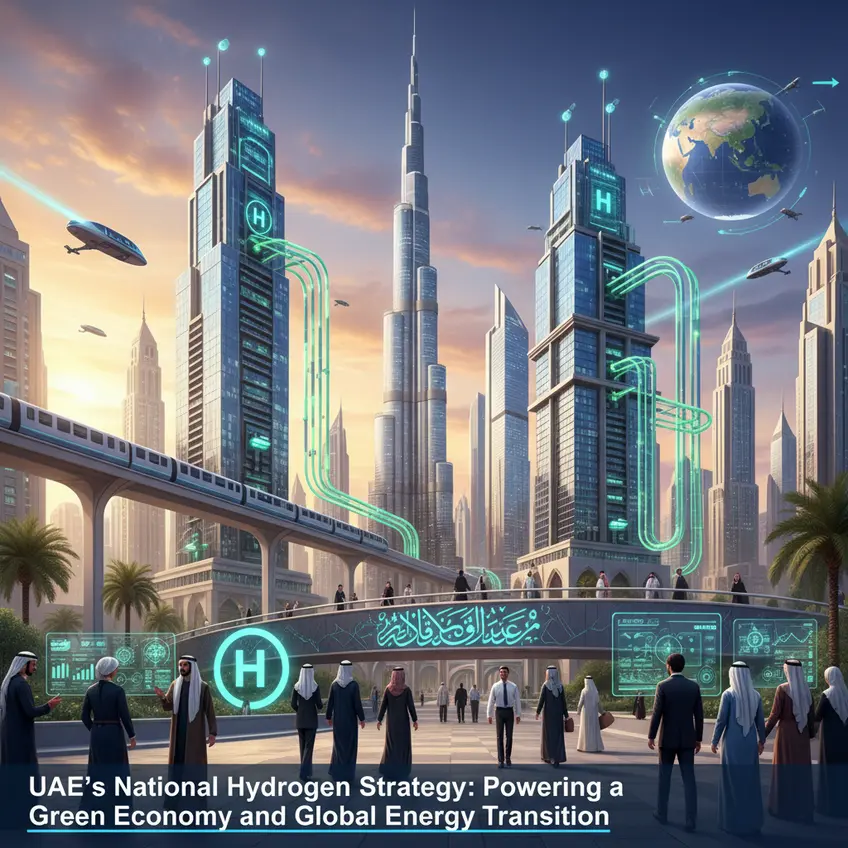
These pioneering projects often require sophisticated online platforms, highlighting the continuous need for a top-tier web agency in Dubai & UAE to develop and maintain their digital presence.
Masdar Green Hydrogen Project, Abu Dhabi
A flagship initiative, the Masdar Green Hydrogen Project in Abu Dhabi, is a joint venture involving Masdar, Siemens Energy, and Marubeni. This pilot plant aims to produce green hydrogen using solar power, demonstrating a fully integrated value chain from production to various end-uses, including sustainable aviation fuel. The project plays a crucial role in testing cutting-edge electrolyzer technologies and optimizing operational efficiency under real-world conditions in the UAE. Its success is critical for scaling up green hydrogen production and establishing viable export pathways, showcasing the UAE's dedication to innovation and practical implementation of its hydrogen strategy. It serves as a testament to the nation's ability to attract and partner with leading global technology providers, accelerating the learning curve for future larger-scale deployments.
ADNOC's Blue Hydrogen and Ammonia Production
ADNOC, the UAE's national oil company, is a key player in the blue hydrogen space. Leveraging its vast natural gas resources and advanced carbon capture capabilities, ADNOC is actively pursuing projects to produce blue hydrogen and its derivatives, particularly blue ammonia. A notable example is the large-scale blue ammonia production facility in Ruwais, which aims to become a major exporter to international markets, including Japan and Germany. This initiative demonstrates the UAE’s pragmatic approach to utilizing its hydrocarbon endowments responsibly, by significantly decarbonizing the production process through CCS. ADNOC's aggressive move into blue hydrogen showcases its commitment to diversified energy solutions and its role in supplying low-carbon energy products globally, contributing to a more sustainable future while maintaining its position as a global energy leader. Such complex projects often benefit from the strategic guidance of a marketing consultancy agency in Dubai.
Dubai Electricity and Water Authority (DEWA) Green Hydrogen Project
The Green Hydrogen Project at DEWA’s Mohammed bin Rashid Al Maktoum Solar Park in Dubai is another pioneering initiative. Inaugurated in 2021, it is the first industrial-scale green hydrogen plant in the Middle East and North Africa. This project uses solar power to produce green hydrogen, which is then used in various applications, including fuel cell electric vehicles and for power generation. The project serves as a clear demonstration of how green hydrogen can be integrated into existing energy grids and transportation networks, paving the way for wider adoption across Dubai and the UAE. It underscores Dubai's vision for a sustainable future and its commitment to achieving net-zero emissions, showcasing how hydrogen can power diverse sectors of the economy. Establishing an authoritative online presence for such significant projects is often handled by a proficient website development agency in Dubai.
The Hydrogen Horizon: Shaping the Future of Energy and Economy from the UAE
The UAE's National Hydrogen Strategy is not merely a short-term plan but a visionary blueprint for the nation's long-term energy and economic future. The next wave of development will see unprecedented scaling of production capabilities, deeper integration across industrial sectors, and the solidification of global supply chains. The future prospects are immense, positioning the UAE as a pivotal player in defining the trajectory of the global energy transition. This involves continuous investment in cutting-edge research, nurturing a skilled workforce, and fostering an environment of innovation that attracts the brightest minds and the most advanced technologies. The UAE is not just participating in the hydrogen economy; it aims to lead it, creating a lasting legacy of sustainability and economic prosperity.
Your Essential Questions on the UAE's Hydrogen Journey Answered
What are the primary goals of the UAE's National Hydrogen Strategy?
The primary goals include establishing the UAE as a leading global hub for low-carbon hydrogen production, achieving a 25% share of global hydrogen trade by 2030, and significantly contributing to the nation's net-zero emissions targets. It also aims to diversify the economy, create new industries and jobs, and leverage the country's abundant renewable energy resources and existing infrastructure to drive sustainable growth.
How does green hydrogen production specifically benefit the UAE?
Green hydrogen production directly benefits the UAE by creating substantial demand for its abundant solar energy, accelerating renewable energy deployment, and reducing the nation's carbon footprint. Economically, it opens new avenues for export, stimulates industrial growth, and fosters innovation, positioning the UAE as a leader in a crucial future energy market. This also enhances national energy security and autonomy.
What role does carbon capture play in the UAE's hydrogen strategy?
Carbon capture and storage (CCS) plays a crucial role, particularly in the production of blue hydrogen. By capturing CO2 emissions from natural gas-based hydrogen production, CCS significantly reduces the carbon intensity, offering a low-carbon bridge solution while green hydrogen scales. It leverages the UAE's natural gas reserves and existing infrastructure, providing a pragmatic pathway to immediate decarbonization and robust export volumes.
How is the UAE addressing the infrastructure challenges for hydrogen transport and storage?
The UAE is actively investing in and researching advanced solutions for hydrogen transport and storage. This includes developing specialized pipelines, designing facilities for liquid hydrogen and ammonia production and storage, and upgrading port infrastructure for efficient global export. Collaborative efforts with international partners are also focused on developing innovative and cost-effective logistics for the widespread adoption of hydrogen and its derivatives.
What are the projected economic impacts of the hydrogen strategy on the UAE?
The strategy is projected to have significant positive economic impacts, including the creation of thousands of high-skilled jobs in new industries, attracting billions in foreign direct investment, and boosting GDP diversification. It will establish new export revenues, strengthen the UAE's position in the global energy market, and foster a robust innovation ecosystem, driving long-term sustainable economic growth and technological advancement. A strong personal branding Dubai & UAE strategy can help attract top talent to these new sectors.
How will the UAE ensure the sustainability and environmental integrity of its hydrogen initiatives?
The UAE is committed to ensuring the highest standards of sustainability and environmental integrity. This involves utilizing vast renewable energy resources for green hydrogen, deploying advanced carbon capture technologies for blue hydrogen, and adhering to strict environmental regulations. Continuous monitoring, R&D into more efficient and eco-friendly production methods, and international certifications will further guarantee the sustainable nature of its hydrogen initiatives, making it a responsible global energy provider.
Your Roadmap to Success: A Practical Checklist for Engaging with the UAE's Hydrogen Economy
Navigating the dynamic landscape of the UAE's National Hydrogen Strategy requires a systematic approach. This practical checklist provides essential steps and considerations for businesses, investors, and innovators looking to contribute to, and benefit from, the nation's burgeoning hydrogen ecosystem. By meticulously addressing each point, stakeholders can ensure alignment with national objectives, mitigate risks, and maximize their potential for success in this transformative energy sector. This guide serves as your compass in unlocking opportunities within the UAE's green economy.
- Thoroughly Research the UAE's Hydrogen Policy and Vision: Before any engagement, gain an in-depth understanding of the National Hydrogen Strategy, its objectives, timelines, and the specific roles envisioned for different types of hydrogen (green, blue). This foundational knowledge is crucial for strategic alignment.
- Identify Key Government Agencies and Industry Leaders: Pinpoint the influential entities such as the Ministry of Energy and Infrastructure, ADNOC, Masdar, DEWA, and other free zone authorities. Understanding their mandates and ongoing projects will inform potential partnership opportunities and regulatory pathways.
- Assess Your Technological Fit and Value Proposition: Determine how your company's technology, services, or investment capital aligns with the identified needs of the UAE's hydrogen value chain. Clearly articulate your unique value proposition and how it supports the nation's strategic goals.
- Explore Partnership and Joint Venture Opportunities: Actively seek collaboration with local companies, research institutions, and international players already established in the UAE. Partnerships are often the most effective route to market entry, localizing expertise, and sharing investment risks. Consider engaging a professional branding Company in Dubai to ensure your venture presents itself optimally to potential partners.
- Understand the Funding and Incentive Landscape: Investigate government grants, investment funds, and other incentives available for hydrogen projects in the UAE. Being aware of these financial mechanisms can significantly improve project viability and attract further capital.
- Develop a Localized Market Entry Strategy with a Long-Term Vision: Craft a comprehensive market entry strategy that considers local cultural nuances, business practices, and regulatory requirements. Emphasize a long-term commitment to the UAE market, focusing on sustainable growth and contribution to the national economy. A compelling digital presence, often created by a skilled mobile app development agency in Dubai UAE, can be vital for this. Furthermore, to cultivate leadership and expert profiles within this burgeoning industry, a thoughtful personal branding Dubai & UAE approach will be essential.


