







































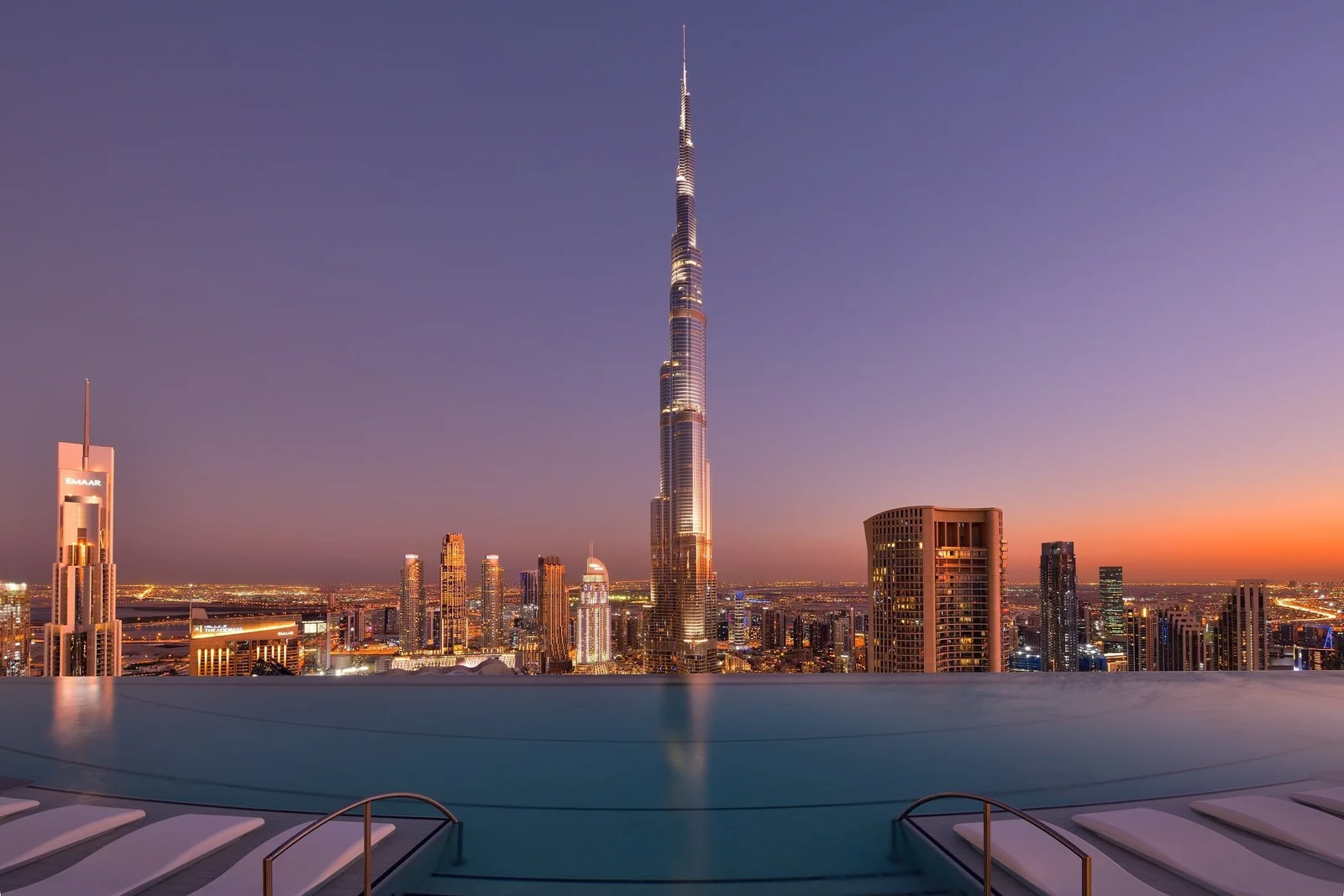








The United Arab Emirates is rapidly emerging as a formidable force in the global space sector, transitioning from ambitious aspirations to tangible commercial realities. At the heart of this transformation lies the Global Space Economy Summit, a pivotal event designed to foster collaboration, innovation, and investment in the burgeoning orbital ecosystem. This article delves into how the UAE, particularly Dubai, is strategically positioning itself to become a leading hub for space-related enterprises, exploring the economic drivers, technological advancements, and policy frameworks that are propelling this futuristic vision forward. From satellite manufacturing to space tourism and data analytics, the nation is actively cultivating an environment ripe for unlocking unprecedented commercial frontiers and harnessing the vast potential of orbital opportunities.
Forging the Future: Foundations of the UAE's Space Economy Drive
The journey of the UAE into the cosmos is built upon solid foundations, integrating visionary leadership with strategic investments in technology and human capital. At its core, the space economy encompasses all activities and the use of resources that create and provide value to human beings in the exploration, research, understanding, and utilization of space. This broad definition includes everything from satellite communication and Earth observation to space tourism, asteroid mining, and deep-space exploration. The UAE’s commitment began decades ago, evolving from basic satellite communication infrastructure to sophisticated national space programs, including the groundbreaking Hope Mars Mission. Key principles guiding this evolution include diversification away from hydrocarbon dependence, fostering a knowledge-based economy, and positioning the nation as a global leader in innovation. These foundational elements are critical to understanding the comprehensive approach the UAE is taking to establish a sustainable and vibrant space economy. The nation's strategic investments in education, research and development, and the establishment of regulatory bodies like the UAE Space Agency underpin this monumental shift. The ambition is not merely to participate but to lead, creating a robust ecosystem that attracts international talent and investment, solidifying the UAE’s standing as a formidable player on the global space stage. This proactive stance ensures that the UAE is not just a consumer of space technologies but a significant contributor and innovator.

The rapid growth of the space sector also presents immense opportunities for support industries, including specialized IT services. For businesses looking to optimize their digital presence in this expanding market, engaging a Digital Marketing agency in Dubai can be crucial to navigate the unique landscape of high-tech industries.
Orbiting Towards Prosperity: Current Trends & 2024/2025 Statistics in the Space Sector
The global space economy is experiencing unprecedented growth, driven by technological innovation, increasing private sector investment, and a growing demand for space-derived data and services. In 2024 and looking into 2025, several key trends are shaping this dynamic landscape, with the UAE at the forefront of many.
The Rise of Commercial Space Ventures and Satellite Constellations
The most prominent trend is the explosive growth of commercial space ventures. Traditionally dominated by government agencies, the space sector is now seeing a significant influx of private companies launching satellites, developing rockets, and offering diverse space services. Small satellite constellations, in particular, are revolutionizing communication, Earth observation, and remote sensing. These constellations provide ubiquitous internet access, real-time environmental monitoring, and enhanced navigation capabilities, impacting sectors from agriculture to logistics. The UAE is actively fostering this trend by creating an attractive regulatory environment and offering financial incentives for startups. By 2025, analyst predictions suggest the global small satellite market alone could exceed $10 billion, a substantial leap from previous years, reflecting the accelerating pace of innovation and deployment. This shift underscores the importance of a robust digital infrastructure on Earth to support these orbital developments, often requiring expertise from a specialized website development agency in Dubai.
Advanced Manufacturing and Space Resource Utilization Paving New Paths
Another critical trend involves advancements in space manufacturing and the nascent stages of space resource utilization. Innovations in 3D printing and in-situ resource utilization (ISRU) are promising to reduce the cost and increase the efficiency of space missions. Manufacturing components in space, or even utilizing lunar regolith for construction, could dramatically lower payload mass and operational expenses for future deep-space endeavors and orbital infrastructure. While still in its early phases, this trend is attracting significant research and development investment globally, with the UAE expressing keen interest in becoming a hub for such advanced technologies. The strategic importance of these advancements cannot be overstated, as they hold the key to sustainable long-duration space missions and the establishment of permanent off-world habitats. The ability to effectively communicate these complex technological leaps requires sophisticated digital outreach, where a proficient marketing consultancy agency in Dubai can provide invaluable strategic guidance.

These developments are not confined to specialized scientific communities; they are driving economic growth and creating new business models. For companies seeking to capitalize on this boom, a strong online presence is non-negotiable. Partnering with a skilled web agency in Dubai & UAE ensures that their digital platforms are robust, scalable, and capable of reaching a global audience.
Navigating the Commercial Cosmos: Comparing Space Investment Avenues & Practical Guidance
As the UAE's space economy expands, investors and entrepreneurs are presented with a myriad of opportunities, each with its own risk profile and growth potential. Understanding the various avenues is crucial for strategic decision-making in this high-growth sector.
Comparative Analysis of Space Economy Investment Options
The space economy is not monolithic; it comprises diverse sub-sectors, each requiring different levels of capital, expertise, and offering varied returns. Below is a detailed comparison of key investment options available, highlighting their characteristics relevant to the burgeoning market in the UAE.
This comparative view illustrates the diverse entry points into the space economy. For businesses aiming to establish their digital footprint in these highly specialized fields, selecting the right partner is paramount. A proficient website creation agency in Dubai & UAE can craft sophisticated online platforms capable of showcasing complex services and attracting target investors or clients.
Charting Your Course: A Practical Guide to Entering the UAE Space Sector
Entering the dynamic and high-stakes space sector in the UAE requires careful planning, strategic partnerships, and a clear understanding of the local ecosystem. This guide outlines three essential steps for entrepreneurs and investors looking to make their mark.
Step 1: Thorough Market Research and Niche Identification
Before launching any venture, conduct in-depth market research to identify underserved niches within the UAE's space economy. Focus on areas where your expertise or proposed solution can offer a distinct advantage. This involves analyzing current government initiatives, private sector activities, and technological gaps. Consider emerging areas like space data analytics for urban planning, advanced materials for satellite components, or specialized educational programs for future space engineers. Understanding the specific needs of the UAE Space Agency, local universities, and existing commercial players will refine your value proposition.
Step 2: Navigating Regulatory Frameworks and Securing Local Partnerships
The UAE has a supportive, yet structured, regulatory environment for space activities. Engage with the UAE Space Agency and relevant free zones (e.g., Dubai South, Mohammed Bin Rashid Aerospace Hub) early in your planning process to understand licensing, compliance, and operational requirements. Securing strong local partnerships is often crucial. Collaborating with established Emirati companies or government entities can provide invaluable insights, facilitate market entry, and help navigate administrative procedures. These partnerships can also unlock access to local talent and funding opportunities, significantly de-risking your venture.
Step 3: Building a Robust Business Plan and Digital Presence
Develop a comprehensive business plan that outlines your financial projections, operational strategy, and technological roadmap. This plan must articulate how your venture aligns with the UAE's broader space strategy and contributes to economic diversification. Simultaneously, invest in a strong digital presence. In a high-tech industry like space, your website, online branding, and digital communication channels are often the first point of contact for investors, partners, and clients. A sophisticated and professional online identity, meticulously crafted by a leading mobile app development agency in Dubai UAE, can significantly enhance your credibility and reach within the global space community.
Avoiding Pitfalls & Amplifying Success: Common Errors, Best Practices, and Inspiring Case Studies in the Space Sector
The frontier of space offers immense opportunities, but it is also fraught with challenges. Understanding common pitfalls, adopting best practices, and learning from successful ventures are critical for sustainable growth in the UAE's burgeoning space economy.
Demystifying Space: Common Errors and Myths to Debunk
Many misconceptions can derail promising space ventures. Debunking these myths is essential for a realistic and strategic approach.
Myth 1: Space is Exclusively for Governments and Billionaires
This is one of the most pervasive myths. While government agencies and mega-corporations indeed play a significant role, the democratisation of space is well underway. The emergence of CubeSats, reduced launch costs, and readily available open-source space data have opened doors for startups, small businesses, and even individual researchers. The UAE actively encourages private sector participation, providing incubators and accelerators for innovative space-tech companies. Investing in advanced digital solutions to showcase new technologies is paramount. A professional branding Company in Dubai can help these new entrants articulate their vision and secure early investment, proving that space is increasingly accessible to a wider array of ambitious players, regardless of their initial scale or capital.
Myth 2: Returns on Space Investments are Only Long-Term and Risky
While some ambitious space projects do have long development cycles and inherent risks, the space economy also offers numerous opportunities for relatively quicker and substantial returns, particularly in downstream applications. Services like satellite-derived agricultural intelligence, remote asset tracking, and enhanced weather forecasting provide immediate value to diverse industries. Moreover, the long-term growth trajectory of the space economy, projected to reach trillions, makes it an attractive sector for patient capital. Diversifying investments across upstream (launch) and downstream (data services) segments can mitigate risk and accelerate ROI. The UAE's strategic focus on integrating space data into smart city initiatives offers tangible and near-term commercial applications.
Myth 3: Space Technology is too Complex for Most Businesses to Leverage
The perception that space technology is arcane and beyond the grasp of typical businesses is increasingly outdated. While the underlying science is complex, the commercial applications are becoming more user-friendly and accessible. APIs for satellite imagery, cloud-based data platforms, and off-the-shelf components for small satellites allow businesses to integrate space capabilities without needing to become space experts themselves. The focus is shifting from building hardware to leveraging data and services. Companies can innovate by combining space data with AI and machine learning to solve terrestrial problems, from optimizing supply chains to monitoring environmental changes.
Elevating Your Orbit: Best Practices & Advanced Strategies for Success
To thrive in the competitive space sector, companies must adopt a forward-thinking approach.
Fostering an Ecosystem of Innovation and Collaboration
Success in the space economy relies heavily on collaboration. Companies should actively seek partnerships with academia, government agencies, and other private entities. Participation in industry clusters, incubators, and research grants, particularly those supported by the UAE Space Agency, can accelerate innovation, share resources, and create synergistic opportunities. This collaborative spirit drives technological advancements and market penetration.
Prioritizing Data Security and Ethical Governance
As space becomes increasingly digital, data security is paramount. Implementing robust cybersecurity measures for satellite operations, ground control, and data transmission is non-negotiable. Furthermore, adhering to ethical guidelines for space resource utilization and orbital debris mitigation is crucial for long-term sustainability and maintaining a positive global reputation.
Strategic Talent Development and Retention
The space sector requires highly specialized skills. Investing in talent development programs, offering competitive compensation, and creating a stimulating work environment are key to attracting and retaining top-tier engineers, scientists, and data analysts. The UAE’s commitment to education and STEM fields provides a fertile ground for nurturing this talent pool.
Stars of Success: Inspiring Case Studies from the UAE and Beyond
Examining real-world examples illuminates the potential within the space economy.
Yahsat: A Regional Communication Powerhouse
UAE-based Yahsat stands as a testament to the nation's foresight in space investment. As a global satellite operator, Yahsat provides multi-mission satellite services to over 150 countries. Its success demonstrates the commercial viability of satellite communication services for both governmental and commercial clients, reinforcing the UAE's role as a key player in orbital communications infrastructure.
Mohammed Bin Rashid Space Centre (MBRSC): Driving Scientific & National Ambitions
While a government entity, MBRSC's achievements, particularly the Hope Mars Mission and the development of Emirati astronauts, have ignited national interest and inspired countless private ventures. Its scientific missions foster advanced R&D, creating spin-off technologies and expertise that benefit the commercial sector and attract international collaboration.

In an increasingly interconnected world, presenting these complex successes and opportunities requires sophisticated digital platforms. Engaging a top-tier web agency in Dubai & UAE ensures that your organization's digital presence reflects its innovative spirit and global aspirations. This is especially true for entities that rely on powerful online showcases for their technical prowess and project portfolios.
Beyond the Horizon: The 2025-2030 Trajectory for UAE's Orbital Endeavors
The UAE's journey in the space economy is far from over; in fact, it is poised for an exponential surge over the next five to ten years. The nation is strategically investing in next-generation technologies and fostering an environment conducive to radical innovation, aiming to solidify its position as a global leader in commercial space ventures. The trajectory for 2025-2030 involves deeper exploration into lunar missions, asteroid mining concepts, and significantly expanding its satellite capabilities to support advanced terrestrial applications like smart cities and hyper-connected infrastructure. This future-focused approach demands not only technological prowess but also a robust digital ecosystem that can support the communication and commercialization of these ambitious projects. Establishing a compelling online identity, managed by a proactive branding Company in Dubai, will be crucial for attracting international partners and talent to these pioneering initiatives.
Your Cosmic Compass: Frequently Asked Questions on the UAE's Space Economy
What makes the UAE a unique hub for space economy investments?
The UAE offers a unique blend of visionary government support, strategic geographical location, world-class infrastructure, and a robust regulatory framework designed to attract foreign direct investment and foster innovation in the space sector. Its commitment to economic diversification through high-tech industries, coupled with significant investments in R&D and human capital, positions it as an unparalleled destination for space-related ventures. Free zones further streamline business operations, making it highly appealing.
How is the UAE fostering innovation in commercial space?
The UAE is fostering innovation through various initiatives, including the establishment of the Mohammed Bin Rashid Space Centre (MBRSC), the UAE Space Agency, and numerous incubators and accelerators dedicated to space tech. It provides grants, funding opportunities, and a supportive ecosystem for startups. This includes collaborations with universities and international space organizations, alongside promoting a culture of entrepreneurship.
What are the key sectors within the UAE's space economy?
The UAE's space economy encompasses several key sectors: satellite manufacturing and launch services (upstream), satellite communications, Earth observation, data analytics, and navigation services (downstream). Additionally, there is a growing focus on space tourism, human spaceflight support systems, and long-term goals in space resource utilization and deep-space exploration.
What role does data analytics play in the UAE's space vision?
Data analytics is central to the UAE's space vision. Earth observation satellites generate vast amounts of data critical for urban planning, environmental monitoring, resource management, and climate change studies. The UAE aims to become a leader in processing and deriving actionable intelligence from this space data, integrating it into smart city initiatives and various industrial applications to enhance efficiency and sustainability.
How can international businesses participate in the UAE's space sector?
International businesses can participate by establishing a presence in UAE's free zones, partnering with local companies, participating in tenders for government projects, or collaborating with research institutions. The UAE government actively seeks international partnerships to accelerate its space ambitions, offering incentives and a supportive environment for global collaboration.
What is the UAE's long-term vision for its space economy?
The UAE's long-term vision extends to becoming a global leader in space exploration, technology, and commercial applications. This includes ambitious missions to the Moon and beyond, developing advanced capabilities in satellite manufacturing, fostering a sustainable space ecosystem, and leveraging space data for terrestrial benefit, ultimately contributing to a diversified, knowledge-based economy. For ambitious individuals and organizations, carefully managing their digital footprint and public image is essential. This is where a dedicated personal branding Dubai & UAE agency can help craft and maintain a compelling narrative that aligns with the nation's pioneering spirit.
Launching Your Vision: A Practical Checklist for Space Ventures in the UAE
Embarking on a space venture in the UAE requires meticulous planning and execution. This checklist provides a strategic roadmap for entrepreneurs and investors to ensure they cover all essential aspects, from conceptualization to market entry.
- Validate Your Business Concept Within the Local Ecosystem: Before committing significant resources, rigorously test your product or service concept against the specific needs and gaps in the UAE's space economy. Engage with local industry experts, potential customers, and government representatives to ensure alignment with national strategies and market demand. This validation is critical for securing future investment and partnerships.
- Secure Strategic Partnerships with Local Entities: Forge alliances with established UAE-based companies, academic institutions, or government-backed initiatives. These partnerships can provide invaluable local market insights, facilitate regulatory compliance, and open doors to networking opportunities and resource sharing that are difficult to access as an outsider.
- Develop a Comprehensive Funding Strategy Tailored to Space Ventures: Identify appropriate funding sources, ranging from government grants and venture capital funds specializing in space tech to private equity. Understand the investment landscape in the UAE, including the criteria for various accelerators and incubators. A robust financial model and clear pitch are essential.
- Build a World-Class Team with Diverse Expertise: Assemble a multidisciplinary team comprising space engineers, data scientists, business development specialists, and legal experts. Ensure your team possesses both technical prowess and an understanding of the global space industry dynamics, as well as cultural awareness relevant to operating in the MENA region.
- Establish a Robust Digital Infrastructure and Online Presence: Your digital footprint is your global storefront. Invest in a state-of-the-art website, secure data management systems, and effective digital marketing strategies. A well-designed online platform, crafted by an expert website creation agency in Dubai & UAE, is crucial for showcasing your capabilities, attracting talent, and engaging with international partners and clients.
- Prioritize Regulatory Compliance and Ethical Operational Frameworks: Familiarize yourself with the UAE Space Agency's regulations, international space law, and best practices for orbital debris mitigation and data privacy. Proactively integrate ethical considerations into your business model to ensure long-term sustainability and maintain a reputation for responsible space operations. Navigating these complex waters can often benefit from the structured approach provided by a marketing consultancy agency in Dubai, ensuring your brand message is always compliant and compelling.
As the UAE continues its meteoric rise in the global space economy, individuals and organizations must ensure their professional image reflects this innovative spirit. Investing in a strong personal branding Dubai & UAE strategy can differentiate you in this competitive, cutting-edge field. Likewise, effective outreach is crucial for any growing enterprise, making the services of a proficient Digital Marketing agency in Dubai indispensable for connecting with target audiences and fostering growth. A comprehensive approach, spanning digital presence to brand perception, is key to truly unlocking commercial frontiers and orbital opportunities.


