










































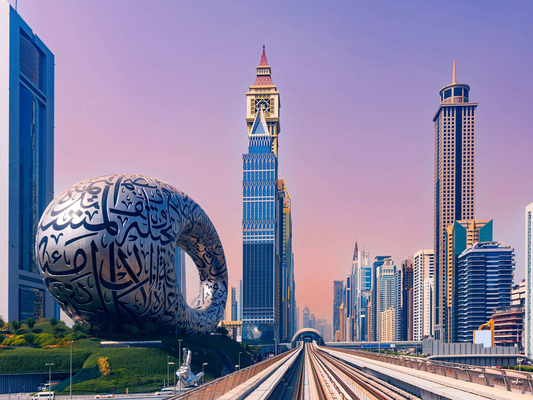






Dubai, a city synonymous with ambition and innovation, is relentlessly pursuing its vision to be a leading global digital economy. While the mega-corporations often steal the headlines, the backbone of Dubai's economy is its vast network of Small and Medium-sized Enterprises (SMEs), representing 95% of all businesses and contributing 63.5% to the UAE's non-oil GDP. For these crucial players, digital transformation is no longer a luxury but a fundamental necessity for survival and growth. For digital marketers operating in this vibrant ecosystem, understanding and guiding SMEs through this crucial journey is key to unlocking new avenues for success. This isn't just about adopting new tools; it's about fundamentally reshaping how businesses operate, serve customers, and compete in a hyper-connected world.
Why Digital Transformation Isn't Optional Anymore
The shift isn't about simply having a website or a social media presence; it's about integrating digital technologies across all facets of a business to drive efficiency, enhance customer experience, and foster innovation. For SMEs in Dubai, this means:
-
Meeting Evolving Customer Expectations: Today's consumers, especially in tech-savvy Dubai, demand seamless online experiences, personalized interactions, and instant gratification. For example, 85% of in-person Visa transactions for small businesses in the UAE are now contactless, highlighting the rapid adoption of digital payment methods. Businesses that fail to meet these expectations risk losing out to more agile competitors.
-
Boosting Operational Efficiency: Digital tools can automate repetitive tasks, streamline workflows, and reduce operational costs. KPMG's UAE tech report 2023 reveals that 70% of UAE tech leaders have seen marked improvements in productivity from their digital transformation investments, with 77% reporting increased employee satisfaction. This allows SMEs to allocate resources more effectively, improve productivity, and reduce human error.
-
Gaining a Competitive Edge: In a market as competitive as Dubai, digital transformation provides SMEs with the tools to innovate faster, adapt to market changes more swiftly, and offer unique value propositions that set them apart. 64% of UAE leaders believe their digital transformation investments have contributed to successful business development, outpacing global figures by 13%.
-
Global Market Reach: E-commerce platforms and sophisticated digital marketing strategies enable SMEs to transcend geographical limitations, opening doors to regional and international markets previously inaccessible. Dubai's e-commerce market alone is expected to hit $27 billion by 2025.
Practical Insight for Digital Marketers: Your role isn't just to do digital marketing; it's to help SMEs become digital-first businesses. This means advocating for backend system integrations, data analytics infrastructure, and a holistic digital strategy, not just isolated campaigns.
The SME Digital Transformation Roadmap: A Practical Approach
Embarking on digital transformation can seem daunting for SMEs with limited resources. However, a structured approach makes it manageable and effective.
-
Phase 1: Assess and Strategize – Where Are You Now?
-
Identify Pain Points: Begin by pinpointing current inefficiencies. Is it manual invoicing, slow customer support, or fragmented data? These are often the best starting points for digital solutions.
-
Define Clear Objectives: What do you want to achieve? Reduce costs by 20%? Improve customer satisfaction by 15%? Expand into a new online market? Specific goals drive specific actions.
-
Audit Existing Digital Capabilities: Evaluate your current website, CRM system, social media presence, and any other digital tools. What works? What's outdated?
-
Develop a Phased Strategy: Don't try to digitize everything at once. Prioritize initiatives based on immediate impact and feasibility. A small win builds momentum.
-
-
Example:A local restaurant in Dubai finds its manual reservation system prone to errors and delays. Their objective is to implement an online booking platform to streamline operations and enhance customer convenience.
-
Phase 2: Implement and Integrate – Bringing Technology to Life
-
Embrace Cloud Solutions: Cloud computing offers scalability, cost savings, and remote accessibility, ideal for SMEs. Think cloud-based CRM, accounting software, or project management tools.
-
Automate Key Processes: Identify repetitive tasks that can be automated, from email marketing sequences to customer service chatbots. Generative AI adoption is nearly universal among UAE AI SMEs, with widespread application in areas such as marketing and customer service, enabling efficient automation. This frees up staff for more strategic work.
-
Build a Strong Online Presence: Beyond a basic website, invest in e-commerce capabilities if applicable, optimize for mobile, and ensure robust SEO. Your online storefront should be as inviting and efficient as your physical one.
-
Prioritize Data Analytics: Implement tools to collect and analyze data on customer behavior, website traffic, and campaign performance. Data-driven decisions are the cornerstone of effective digital marketing.
-
-
Example: The restaurant implements a cloud-based reservation system integrated with its website. They also begin using a customer feedback platform to gather insights, leveraging a digital marketing agency Dubai to promote their new online services.
-
Phase 3: Optimize and Evolve – Continuous Improvement
-
Train Your Team: Digital transformation isn't just about technology; it's about people. Invest in training employees to use new tools effectively and embrace a digital-first mindset.
-
Monitor Performance & Gather Feedback: Regularly track your KPIs, analyze data, and solicit feedback from customers and employees. What's working? What needs adjustment?
-
Prioritize Cybersecurity: As you digitize, your attack surface grows. The UAE saw a 25% increase in cyberattacks in 2023. Implement robust cybersecurity measures, educate employees on best practices, and consider professional audits to protect your data.
-
Stay Agile and Adaptable: The digital landscape constantly changes. Be prepared to adapt your strategy, explore new technologies (like AI-powered analytics or advanced personalization), and continuously innovate.
-
-
Example:The restaurant uses customer feedback from the online platform to refine its service, and they track online booking trends to optimize staffing. They also invest in basic cybersecurity training for their online booking system users to ensure data privacy.
Government Support and the Future
Dubai's government actively supports SME digital transformation through initiatives by Dubai SME and various accelerators. For example, Dubai SME provided digital marketing support to 531 startups in 2024, boosting the online presence of 3,989 entrepreneurs to date. These programs offer funding, mentorship, and resources to help local businesses adapt and thrive. For digital marketers, this presents a huge opportunity to partner with SMEs, leveraging these support systems to build comprehensive, impactful strategies. The future of business in Dubai is undeniably digital, and SMEs that embrace this transformation with a strategic roadmap will be best positioned for long-term success.
When you're ready to guide your SME through the intricacies of digital transformation and unlock its full potential, a strategic partner is invaluable. A leading digital marketing agency Dubai (Hello World Label Dubai) possesses the expertise to craft tailored roadmaps and execute impactful digital marketing campaigns. For broader reach and comprehensive solutions across the Emirates, a top-tier digital marketing agency UAE (Hello World Label Dubai) can amplify your brand's digital presence and drive measurable growth throughout the country.


