








































Introduction: Why Hyper-Personalization Is the New Frontier for Branding
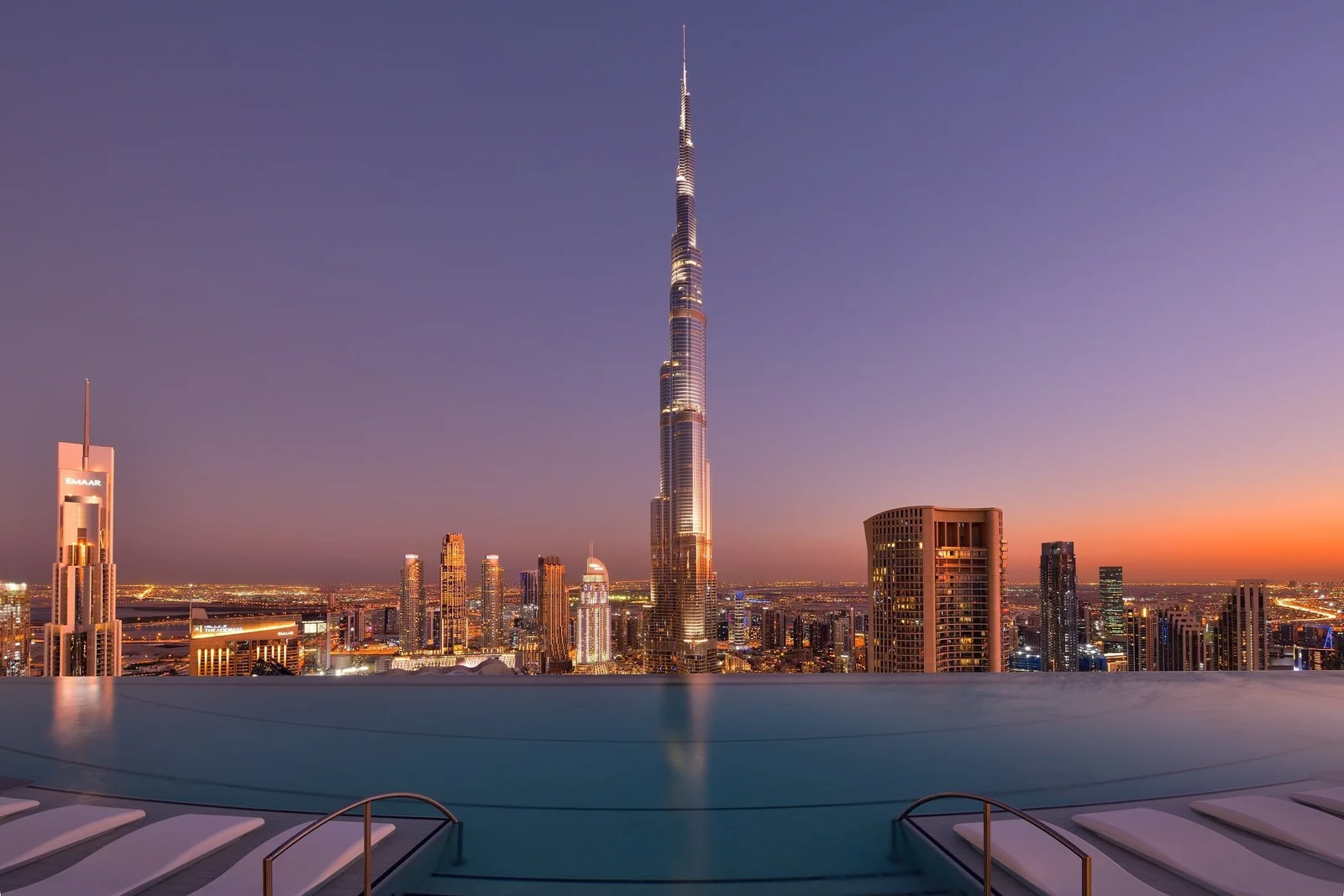
In the rapidly evolving digital marketplace of Dubai, static marketing doesn’t cut it anymore. Consumers expect brands to recognize them, anticipate their needs, and speak in a voice that feels personal. That expectation has pushed hyper-personalization to the top of the branding agenda.
As AI, big data, and machine learning mature, every interaction offers an opportunity to tailor experiences—on websites, in apps, via email, in ads. The brands that seize these opportunities well—especially those working with a Search Engine Optimisation Agency Dubai —gain not just clicks or likes, but meaningful loyalty and trust.
This article explores how hyper-personalization is shaping branding in Dubai, its benefits, how SEO ties in, and real practices deployed by forward-thinking companies, all through the lens of digital strategy.
1. What Is Hyper-Personalization and Why It Matters in Dubai
Hyper-personalization goes beyond traditional personalization (e.g., greeting users by name). It uses real-time data—behavioral signals, location, past purchases, browsing patterns—to deliver content, offers, and experiences uniquely tailored to each individual.
In Dubai, this trend is especially strong because of:
- Diverse consumer profiles (urban residents, expatriates from many countries, high-income luxury seekers, tech-savvy younger generations).
- High smartphone and internet penetration, meaning brands have ample touch-points.
- A market where expectations are high—users expect speed, relevance, convenience.
According to recent reports:
- Over 80% of UAE marketers report that AI is central to their personalization efforts.
- About 70% of online shoppers prefer mobile-first, seamless omnichannel journeys
- Retailers offering personalized experiences are seeing much higher engagement rates than those using generic campaigns.
2. How SEO Is Crucial to Making Hyper-Personalization Work
SEO is no longer just about keywords and backlinks. In the hyper-personalized branding framework, SEO becomes a backbone that makes sure personalized content is discoverable, relevant, and rewarded by search engines.
a) Real-Time Content and Dynamic Pages
Dynamic landing pages that change based on user behavior or location are becoming more common. For example, a site might show different homepage banners or product suggestions for people in Dubai Marina vs. Al Barsha. A strong SEO Agency Dubai can architect these pages so that Google and other engines index them properly, without causing penalties for duplicate content.
b) Predictive Search and Voice Optimization
As voice search (in both English and Arabic) grows, content needs to be optimized for natural phrases and conversational questions. Brands also use predictive content—based on previous search queries and user behavior—to generate suggestions or auto-fill content that appears before a user explicitly asks.
A Search Engine Optimisation Agency UAE can help balance these requirements: creating content that answers expected questions, uses schema markup for rich results and snippets, and aligns content trends with brand voice.
c) Behavioral Triggers and Personal Signals
Hyper-personalization is powered by signals: time of day, device type, referer, purchase history. SEO intersects here: site structure must support fast loading, mobile responsiveness, personalized user pathways, and clean UX so that once users are “found” (via search), their experience is not hindered by friction.
A brand collaborating with a SEO Agency UAE ensures that technical SEO (speed, mobile performance, clean code) supports the personalized journey.
3. Trends & Use Cases in Dubai Where Hyper-Personalization Is Already Making Waves
Some of the most visible applications of hyper-personalization in Dubai are in these sectors:
i) Luxury Retail
Luxury customers expect exclusivity. Brands use data to offer personalized previews, early access to collections, and product recommendations. AI-driven personalization tools paired with SEO-optimized luxury content help these brands show up in searches like “bespoke handbags limited edition Dubai”.
ii) Hospitality & Tourism
Hotels and travel brands are tailoring each guest’s experience:
- Custom room preferences (lighting, temperature) set ahead via apps.
- Personalized dining recommendations based on dietary habits.
- Tailored itineraries suggested based on past stays or profile data.
Integration with online booking and SEO-optimized content for local attractions helps these brands reach state-of-mind searches like “luxury stay personalized Dubai”.
iii) Retail & E-Commerce
E-commerce platforms are using AI to recommend products in context: what a user browsed last week, what items are trending locally, what promotions are relevant now. Personalized homepage feeds, email followups, abandoned cart recoveries—all benefiting from solid SEO foundations so that product pages rank when users search.
iv) Digital Services & Apps
Apps, SaaS offerings, wellness services, fintech—all zones where personalization matters deeply. Whether it’s sending push notifications relevant to a user’s usage pattern, or customizing UI/UX in an app based on user profile, brands in Dubai are pushing ahead.
4. Challenges & Balancing Personalization with Privacy & Authenticity
Hyper-personalization isn’t without risks. Brands must navigate:
- Privacy concerns: Consumers in UAE care about data usage. Over-collecting data or misuse can backfire. Transparency, permissions, and secure data handling are critical.
- Relevance vs. creepiness: If personalization feels intrusive (e.g. referencing behavior too closely), users may pull away. Brands must be delicate in how they use data.
- Scalability: Implementing true personalization at scale (bilingual content, many user segments, multiple devices) requires infrastructure, AI tools, and investment.
- SEO compatibility: Personalized content must still be indexable, crawlable, and not blocked by technical issues. Improper dynamic content or heavy personalization without fallback can harm SEO.
A good Search Engine Optimisation Agency Dubai will advise how to personalize in ways that are user-friendly and search engine-friendly.
5. Best Practices for Brands Implementing Hyper-Personalization via SEO
To succeed, brands should follow these strategic practices:
- Segment deeply but wisely : Use data to group users (by geography, behavior, past purchases) but avoid over-segmentation that complicates content management.
- Personalized journeys not just messages : Think about the entire journey: search → landing page → navigation → checkout/support. Each step should feel coherent and personal.
- Use AI & predictive analytics : Tools that forecast what users want before they know it — content, promotional timing, product suggestions — can massively improve conversion and loyalty.
- Localize and translate : With Arabic + English + possibly other languages, ensure personalization respects culture, dialect, and local context.
- Monitor & iterate : Continuously test (A/B tests), measure engagement, dwell time, bounce rates. Use SEO analytics and user feedback to refine personalized content.
- Privacy & transparency : Let users know what data you use and why. Offer opt-in/opt-out options. Be compliant with regional regulations (e.g., data protection laws in the UAE).
6. Role of Agencies in Driving Hyper-Personalization: What Makes a Top Partner
If your brand wants to lead in both identity and visibility, working with a specialized agency is essential. Here’s what to expect from a best-in-class partner:
- Deep expertise in Search Engine Optimization Agency Dubai practices: technical SEO, content, voice search, schema markup, etc.
- A culture of experimentation: using data, AI tools, and feedback loops to constantly refine personalization.
- Design & UX aligned with brand values: not just what you say, but how users feel at every digital touchpoint.
- Full transparency in analytics, privacy, and delivery.
7. Measuring Success: What KPIs Matter
To evaluate whether hyper-personalization is working, look beyond basic metrics. Some critical KPIs:
- Engagement metrics: dwell time, pages per session, returning visitors.
- Conversion uplift: how many personalized recommendations lead to purchases.
- Customer lifetime value: personalized experiences should increase retention and value over time.
- Voice search/long-tail query ranking improvements.
- Reduction in bounce rates or friction points in user journeys.
Conclusion: Hyper-Personalization as a Competitive Edge
In Dubai’s fast-paced, expectation-laden market, hyper-personalization is not a trend—it’s becoming a cornerstone of modern branding. Brands that combine identity, user experience, and personalized SEO will not only be seen but trusted, not only found but chosen.
For this, engaging with a SEO Agency Dubai, or their UAE counterparts can make all the difference — aligning technical, creative, and strategic elements into a cohesive story that resonates and performs.
The future belongs to those who make their brand personal, precise, and persistently visible.


