














































The rapid adoption of wearable technology in the UAE is transforming how individuals monitor their health, track their fitness, and manage their daily lifestyle. From smartwatches and fitness trackers to specialized medical devices, these compact gadgets are generating a wealth of personal data. The real power, however, lies in the applications that interpret and leverage this data, offering users actionable insights and seamless experiences. For businesses and innovators in Dubai and across the Emirates, wearable app development represents a booming frontier, a unique opportunity to connect with a health-conscious and tech-savvy population. It’s about more than just displaying numbers; it’s about creating intelligent, intuitive platforms that genuinely enhance user well-being and daily routines. This article explores key practical considerations for diving into this exciting space.
1. Understanding the User and Wearable Ecosystem in the UAE
Before embarking on wearable app development, a deep dive into the specific user needs and the existing technology landscape within the UAE is crucial.
- Identify Core User Needs and Local Context: What specific problems can your wearable app solve for users in the UAE? Is it about encouraging activity in a largely car-dependent society? Managing chronic conditions for an aging population? Or enhancing sports performance for active individuals? Research local health and fitness trends, cultural nuances, and common pain points. For instance, an app tracking hydration might be particularly relevant given the UAE's climate. Understanding these localized needs ensures your app offers genuine value.
- Navigate the Wearable Device Landscape: The market is fragmented. Will your app integrate with Apple Watch, Samsung Galaxy Watch, Fitbit, Garmin, or specialized medical wearables? Each device has its own operating system (watchOS, Wear OS, proprietary OS) and SDKs (Software Development Kits). Deciding on your target devices early impacts your development stack, costs, and timeline. A cross-platform approach, leveraging frameworks that support multiple wearables, might offer broader reach, but deep native integration can provide superior performance and user experience.
- Data Privacy and Security in the UAE: Dealing with sensitive health and personal data from wearables necessitates stringent privacy and security measures. Familiarize yourself with data protection regulations in the UAE, such as those related to healthcare data. Building trust is paramount; users must feel confident that their highly personal information is secure. Implement robust encryption, secure APIs, and transparent data handling policies from day one.
2. Designing for the Small Screen and Seamless Integration
Wearable app design presents unique challenges compared to smartphone apps. Simplicity, glanceability, and seamless data flow are key.
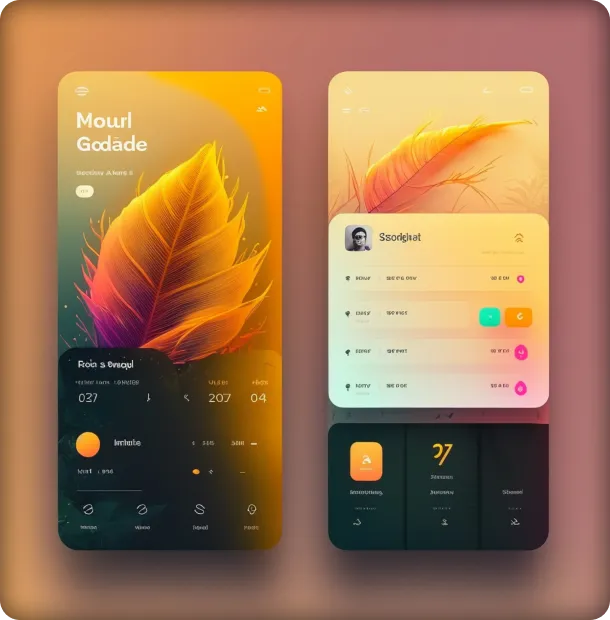
- Prioritize Glanceable UI and Intuitive UX: Less is truly more on a small screen. Design your wearable app for quick, "at-a-glance" interactions. Focus on displaying critical information instantly, minimizing taps and swipes. Use clear icons, large fonts, and intuitive navigation. The user experience (UX) must be effortless, as users typically interact with wearables for short bursts of time while on the go. Avoid clutter and unnecessary features on the watch face.
- Seamless Data Synchronization and Offline Capabilities: A wearable app is only as good as its data. Ensure robust and reliable data synchronization between the wearable device, the companion smartphone app, and any cloud services. Users expect their data to be up-to-date across all platforms. Consider offline capabilities for the wearable app so it can collect data even when not connected to a phone, syncing once a connection is re-established.
- Integrate with Existing Health Ecosystems: To maximize utility, your wearable app should integrate with popular health platforms like Apple HealthKit or Google Fit. This allows users to consolidate their health data from various sources, providing a more holistic view. Such integrations enhance the value proposition of your app and improve its discoverability within the broader health and fitness tech ecosystem.
3. Monetization, Marketing, and Future-Proofing
Bringing a wearable app to market successfully involves more than just development; it requires a smart monetization strategy, effective marketing, and a vision for future scalability.
- Explore Diverse Monetization Models: How will your wearable app generate revenue? Common models include premium subscriptions for advanced features (e.g., personalized coaching, deeper analytics), one-time purchases for specific workout plans, freemium models, or even partnerships with health and wellness providers in the UAE (e.g., gyms, nutritionists). Choose a model that aligns with your app's value proposition and user base.
- Targeted Marketing and User Acquisition: Reaching your ideal users requires a focused marketing strategy. Leverage digital channels where your target audience is active. Consider partnerships with fitness centers, health clinics, or sports events in the UAE. Showcase the unique benefits of your wearable app in terms of user comfort, data insights, and lifestyle improvement. Influencer marketing with fitness or health influencers can also be highly effective.
- Plan for Scalability and Iteration: The wearable tech space is evolving rapidly. Design your app's architecture for scalability, allowing for future feature additions, integrations with new devices, and handling a growing user base. Embrace an iterative development process, releasing minimum viable products (MVPs) to gather user feedback, and then continuously refining your app based on insights and emerging technologies. This agile approach is key to long-term success in the dynamic UAE tech market.
Developing a cutting-edge wearable app that resonates with the UAE's tech-savvy population requires specialized expertise. For innovators seeking to transform health, fitness, and lifestyle through technology, partnering with the right agency is crucial. A premier Mobile App Development Company in Dubai can help bring your vision to life with robust solutions. If you need a team that understands the nuances of the regional market, a leading Mobile App Development Agency In Dubai offers unparalleled expertise. For comprehensive national reach and scalable applications, choose a top-tier Mobile App Development Agency In UAE or a trusted Mobile App Developement Company in UAE to ensure your wearable app makes a significant impact.


