




















































Access to safe drinking water is a major challenge in many arid and semi-arid regions, particularly in the Middle East. Faced with the scarcity of freshwater resources, website creation Dubai and other technology initiatives are shining a light on innovative, sustainable solutions. Among them, ultra-efficient reverse osmosis desalination systems powered solely by solar energy stand out as a real source of hope. Thanks to the abundance of solar energy in places like Dubai and the United Arab Emirates, these technologies are opening a new path toward drinking water self-sufficiency while respecting the environment.
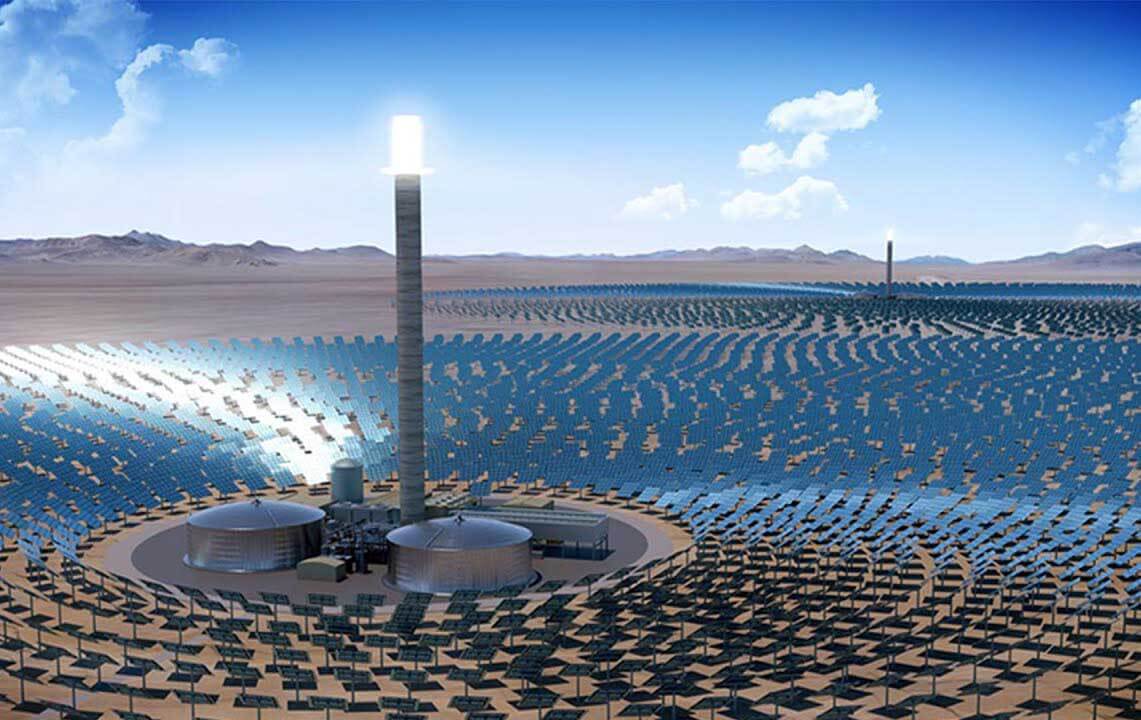
Seawater, salty and unfit for direct consumption, is a substantial but hard-to-tap resource in a sustainable way. Reverse osmosis desalination systems are key technologies that purify this water by removing salts and impurities through a semi-permeable membrane.
Reverse osmosis gets its name from the natural phenomenon of osmosis, with a reversed process: saltwater is subjected to high pressure that forces it through a membrane, letting only pure water molecules pass through. Traditional systems consume a lot of energy, mostly from fossil sources, which creates environmental and economic problems.
Using solar energy to power these systems represents a major advance. By leveraging digital marketing consultant Dubai expertise and local technology skills, many companies are innovating to offer solutions that are efficient, affordable, and environmentally friendly all at once.
Historically, desalination evolved from thermal processes to reverse osmosis in the 1970s, with notable improvements in membrane performance and reduced energy consumption. Today, convergence with solar energy is further optimizing these systems to make them more accessible in sunny regions.
Current Trends & Recent Statistics

Technological Progress in Membrane and Solar System Efficiency
In 2024, reverse osmosis membrane technology took a new step forward with the development of low-energy-consumption membranes, increasing filtration yield while reducing water loss. At the same time, innovations in photovoltaic panels enable more efficient integration with desalination units, particularly through hybrid systems combining photovoltaic and thermal solar energy. Players ranging from web agency Dubai to sustainable development experts are helping promote and deploy these solutions.
The latest membrane versions integrated into these systems reduce the pressure required for reverse osmosis, leading to a noticeable drop in overall energy consumption, making it possible to power the system exclusively with medium-power photovoltaic plants, even in isolated regions.
Key Statistics and Environmental Impact in 2024
The International Desalination Association's 2024 report indicates that more than 200 MW of solar reverse osmosis desalination capacity has been installed globally, with estimated annual growth of 25%. This momentum illustrates the rapid rise of these living solutions, particularly in Middle Eastern and North African countries.
These systems generate fewer carbon emissions than conventional units, with an average carbon footprint reduction of 70%. This improvement is critical in a region where demand for drinking water keeps growing. As such, integrating solar-powered desalination in Dubai and the United Arab Emirates — along with the management and maintenance of complex systems — is revolutionizing water resource management.
Comparison of the Main Options / Solutions
Detailed Comparison Table of Solar Reverse Osmosis Desalination Technologies
Practical Guide / Detailed Tutorial for Deploying a Solar Reverse Osmosis System
Step 1: Assessing Needs (Water & Energy)
Sizing rests on a rigorous water balance. You need to define the required permeate volume ($m^3/day$) while analyzing the source water's TDS (Total Dissolved Solids), since high salinity increases osmotic pressure and thus electricity consumption. Finally, studying the local solar resource (kWh/m²/day) lets you determine the peak power of the photovoltaic array needed to power the pump without interruption.
Step 2: Selecting and Installing the Photovoltaic Panels
For optimal output, favor high-efficiency monocrystalline modules, installed at a tilt adjusted to latitude to maximize irradiance. The electrical chain must include an MPPT controller to optimize energy extraction, or a variable frequency drive (VFD) if pumping follows solar output in real time, to protect the motor from intensity fluctuations and avoid water hammer.
Step 3: Installing and Calibrating the Reverse Osmosis Unit
The system requires pretreatment (sediment and carbon filters) to prevent fouling of the semi-permeable membrane. The High-Pressure Pump (HPP) must be calibrated to overcome osmotic resistance, ideally paired with an energy recovery device. Safety is ensured by pressure switches (anti-cavitation and anti-overpressure) and quality control via an output conductivity meter.
Best Practices / Advanced Strategies
Integration With Energy Storage
Adding a battery bank (lithium or gel) smooths out solar intermittency and ensures continuous supply, even during periods of low irradiance or at night. This setup requires a smart charge controller to manage discharge cycles and protect the batteries, ensuring total energy autonomy for the pumping system.
Regular Preventive Maintenance
To prevent fouling and scaling, it's crucial to perform freshwater rinses after every shutdown and periodic chemical cleanings (CIP - Cleaning In Place). Rigorous monitoring of specific flow rate and conductivity lets you detect any drop in semi-permeable membrane performance and replace consumables (pre-filtration cartridges) before they damage the high-pressure pump.
Case Study / Concrete Examples

In Masdar City, in the United Arab Emirates, a pilot project demonstrated the viability of a reverse osmosis system powered solely by solar energy. The plant now supplies drinking water to several thousand residents, drastically reducing dependence on conventional power grids. This success illustrates the importance of local partnerships, including personal branding Dubai & UAE to promote these renewable solutions to decision-makers.
Upcoming Innovations and the Evolution of Solar Desalination Toward 2030
Research today focuses on reducing membrane costs and improving the capabilities of flexible, bifacial solar panels. Other innovations are focused on hybridizing with artificial intelligence solutions to forecast and adapt water management in real time. The rise of digital infrastructure in Dubai, thanks to numerous website creation agency Dubai & UAE, will accelerate this transition toward accessible, sustainable, and smart water.
Key Frequently Asked Questions About Solar Reverse Osmosis Desalination
1. What Is the Average Installation Cost of a Solar Reverse Osmosis Desalination System?
Cost depends on capacity, but can range from $1,000 to $5,000 USD per cubic meter of water produced, including solar panels and the reverse osmosis system, with continuous reduction thanks to technological advances.
2. What Is the Lifespan of the Membranes Used in These Systems?
On average, membrane lifespan is 3 to 5 years, depending on inlet water quality and maintenance applied.
3. Can These Systems Be Used in Areas With Less Sunlight?
They're optimal in sunny regions, but integration with energy storage or hybrid sources allows use in areas with variable sunlight.
4. What Are the Main Constraints for Installation in the Middle East?
Dust, extreme temperatures, and seawater quality represent technical challenges requiring adapted installation and maintenance.
5. How Do These Systems Help Fight Climate Change?
By reducing fossil fuel use for desalination, these systems significantly cut greenhouse gas emissions associated with drinking water production.
6. Which Local Players Are Involved in Developing These Technologies in Dubai?
Industrial companies and solar energy consultants are collaborating to deploy these innovative infrastructures.
Practical Checklist for Successfully Implementing Solar Reverse Osmosis Desalination
- Precisely assess drinking water demand and available solar energy resources.
- Choose high-performing membranes compatible with local water quality.
- Install suitable photovoltaic panels with proper orientation and regular maintenance.
- Integrate an energy storage system for continuous operation.
- Train local teams for maintenance and day-to-day operations.
- Monitor environmental impact and adapt protocols to optimize sustainability.


