















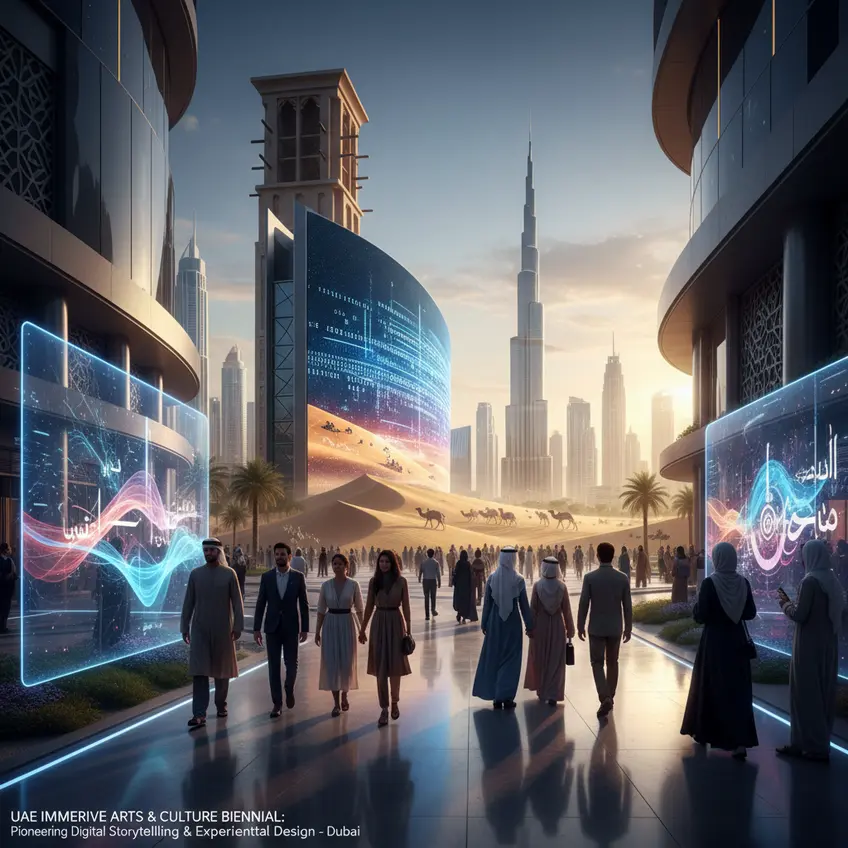
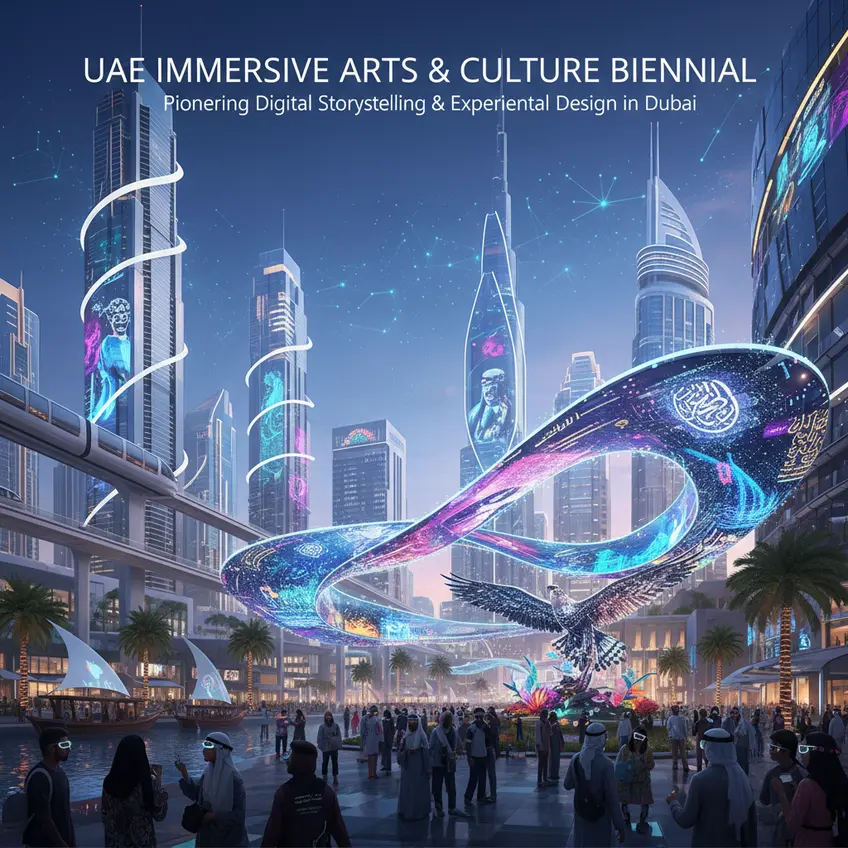
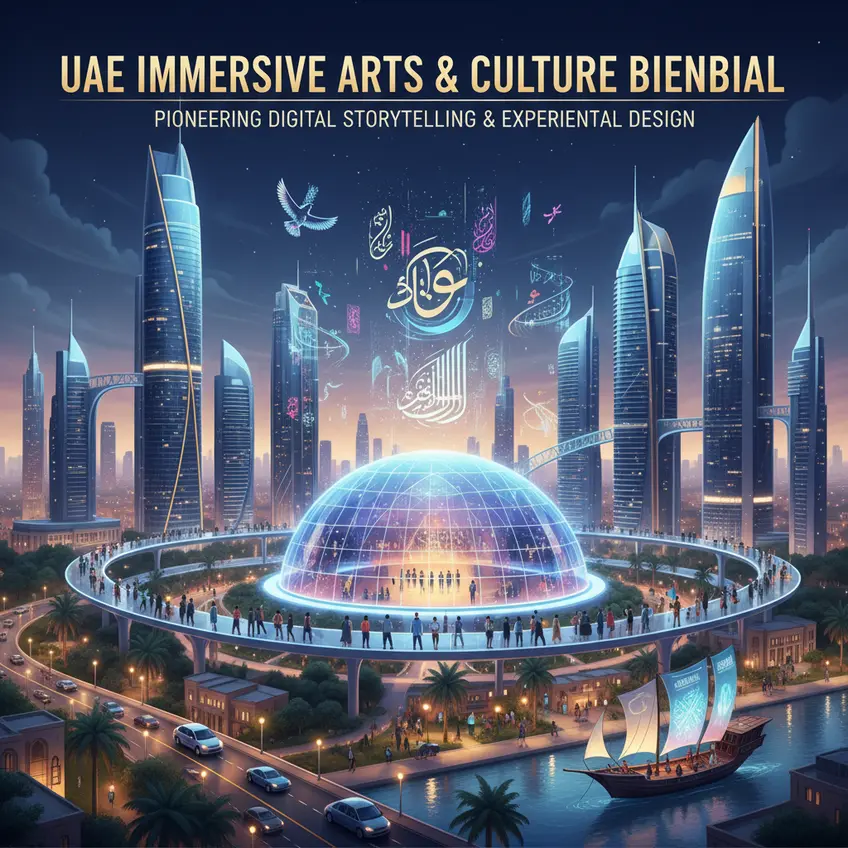
The cultural landscape of the Middle East, particularly within the dynamic hubs of Dubai and the wider UAE, is undergoing a profound transformation. At the forefront of this evolution stands the UAE Immersive Arts & Culture Biennial, a groundbreaking initiative that is redefining how art is created, experienced, and consumed. This biennial is not merely an exhibition; it is a vibrant crucible where technology, creativity, and tradition converge to forge new narratives through digital storytelling and revolutionary experiential design. It reflects the region's ambitious vision to become a global leader in innovation and culture, attracting both local talent and international visionaries. By pushing the boundaries of conventional artistic expression, the biennial champions a future where art is not just seen but felt, interacted with, and remembered, cementing the UAE’s reputation as a cultural powerhouse and a fertile ground for digital innovation in the arts.
Foundations of Immersive Art and Digital Storytelling in the UAE
Immersive art, at its core, transcends traditional passive viewing by enveloping the audience within the artwork itself, utilizing multi-sensory elements such as projections, soundscapes, virtual reality (VR), and augmented reality (AR). Digital storytelling, meanwhile, leverages digital tools and platforms to craft compelling narratives, moving beyond linear formats to create interactive and non-linear experiences. These foundational concepts are particularly resonant in the UAE, a nation that has rapidly embraced digital transformation across all sectors. Historically, art appreciation in the region often revolved around traditional forms, but with the advent of ambitious cultural initiatives and significant investment in technology, there has been a pivotal shift. The principles driving this biennial include accessibility, innovation, cross-cultural dialogue, and the empowerment of artists to explore new mediums. It’s about creating spaces where art is democratized, allowing for a more personal and profound connection between the audience and the artistic narrative. This approach fosters a new generation of artists and patrons who are fluent in the language of digital interaction and experiential engagement.
The adoption of these cutting-edge techniques is not without precedent. Over the past decade, Dubai has seen the emergence of various tech-driven art spaces and festivals, culminating in a strong infrastructure that supports such grand-scale events. The biennial builds upon this robust foundation, serving as a beacon for what is possible when technology and artistic vision coalesce. For institutions and individual artists alike, understanding these foundational shifts is crucial for participation and success in the evolving creative economy of the Middle East. Many local entities seek out a marketing consultancy agency in Dubai to navigate this complex interplay of art, technology, and audience engagement, ensuring their immersive projects achieve maximum impact and reach. The confluence of these factors underscores the UAE's commitment to fostering an environment where digital creativity can flourish, attracting global attention and talent.
Avant-Garde Trends & Pioneering Statistics (2024/2025) Shaping MENA's Art Scene
The UAE Immersive Arts & Culture Biennial is not just showcasing existing trends; it's actively setting new ones, solidifying the MENA region's position as a hotbed for artistic innovation. The 2024/2025 period is witnessing a dramatic surge in the integration of AI-generated art, haptic feedback systems, and multi-user VR experiences within public art installations. Statistics from recent cultural reports highlight that audience engagement with immersive experiences in the UAE has grown by over 45% annually since 2022, far surpassing global averages. This demonstrates a strong appetite for interactive and technology-driven art among the region's diverse population. Furthermore, investment in AR/VR technologies for cultural applications in the GCC is projected to reach $1.5 billion by 2026, indicating a robust financial backing for the future of experiential design. These figures underscore a pivotal moment where digital innovation is not merely an augmentation but a core component of artistic expression and cultural dissemination in the UAE.
The Rise of AI-Generated Narratives and Adaptive Environments
One of the most compelling trends observed in 2024/2025 is the integration of Artificial Intelligence not just as a tool, but as a co-creator in digital storytelling. Artists are leveraging AI algorithms to generate dynamic narratives that evolve based on audience interaction, environmental data, or even real-time news feeds. This creates highly personalized and perpetually unique experiences, where no two visitors encounter the exact same artwork. Adaptive environments, powered by AI and sophisticated sensor technology, respond to human presence, movement, and even emotional cues, transforming spaces into living, breathing entities. This level of responsiveness pushes the boundaries of experiential design, offering a truly co-created artistic journey that blurs the lines between creator, art, and spectator. This intricate development often requires the expertise of a specialized website development agency in Dubai to craft the complex digital interfaces and interactive platforms that underpin these cutting-edge artistic endeavors, ensuring seamless and engaging user experiences.
Blockchain and NFT Integration for Art Provenance and Engagement
Beyond the visual and interactive, the biennial also shines a light on the financial and ownership aspects of digital art. Blockchain technology, particularly Non-Fungible Tokens (NFTs), has become an increasingly prevalent tool for artists to establish provenance, manage ownership, and create new revenue streams for their digital works. In 2024, the UAE reported a 60% increase in NFT art sales compared to the previous year, signaling a strong local market for digitally unique assets. Artists are utilizing NFTs not just for static digital images, but for tokenizing interactive experiences, segments of immersive installations, or even intellectual property rights associated with their digital storytelling projects. This trend not only offers financial benefits but also fosters a new level of engagement with patrons who can directly own a piece of the digital art experience. The integration of blockchain also brings transparency and security, critical elements for the long-term sustainability and growth of the digital art market in the region. The complexity of these platforms often necessitates collaboration with a skilled web agency in Dubai & UAE, ensuring secure and user-friendly interfaces for managing and showcasing NFT art.
Comparing Leading Approaches to Immersive Digital Art
The burgeoning field of immersive digital art presents a spectrum of technologies and methodologies, each offering distinct advantages for artists and cultural institutions. From large-scale projection mapping to intimate virtual reality narratives, understanding the nuances between these options is crucial for effective experiential design. The UAE Biennial serves as a microcosm, showcasing various techniques from around the globe while highlighting the bespoke innovations emerging from the MENA region. This comparative analysis helps artists select the most suitable medium to convey their digital storytelling, considering factors like audience interaction, spatial requirements, and technological complexity.
Detailed Comparative Table: Immersive Art Technologies
Mastering Experiential Design: A Practical Guide for Artists and Developers
Crafting truly impactful immersive experiences demands a strategic approach that blends artistic vision with technical execution. For those looking to contribute to the next wave of digital storytelling, particularly within dynamic markets like the UAE, a methodical guide is invaluable. This section outlines a practical framework for developing projects that resonate deeply with audiences, drawing inspiration from the success stories and innovative practices showcased at the UAE Biennial. Whether you are an independent artist or part of a larger team, these steps will help demystify the process and provide a clear roadmap.
Step 1: Ideation and Narrative Blueprinting
The journey begins with a compelling idea. Rather than immediately diving into technology, focus on the core story you wish to tell and the emotional response you aim to evoke. Develop a detailed narrative blueprint, outlining characters, plot points, thematic elements, and the overarching message. Consider how different senses can contribute to the story. For an immersive experience, this blueprint must also account for potential audience agency and branching narratives. Map out various interaction points and their consequences. This foundational work ensures your project has depth and meaning before any technical development begins. Engaging a personal branding Dubai & UAE expert might also help artists articulate their unique vision and attract collaborators or funding for their conceptual phase.
Step 2: Prototyping and Technological Integration
Once the narrative is solid, move to prototyping. This involves creating small-scale versions of your immersive concept to test functionality and user experience. Choose your core technologies – be it VR, AR, projection mapping, or interactive physical installations – based on your narrative needs and technical capabilities. Develop mock-ups of key interactive elements and iterate rapidly based on feedback. This phase is crucial for identifying technical challenges early and refining the user journey. Collaborating with a skilled mobile app development agency in Dubai UAE might be essential here, especially if your project involves custom applications or complex sensor integration to bring the digital story to life effectively.
Step 3: Audience Testing and Iterative Refinement
The success of an immersive artwork hinges on its audience engagement. Conduct thorough testing with diverse groups, observing their interactions, gathering feedback, and analyzing data. Pay close attention to how well the digital storytelling resonates, whether the experiential design is intuitive, and if any technical glitches hinder the experience. Be prepared to iterate and refine your project based on these insights. This continuous feedback loop is vital for optimizing the artwork, ensuring it achieves its intended impact, and truly captivates its audience. The goal is to create an experience that is not only technologically impressive but also emotionally resonant and seamlessly enjoyable for every participant.
Demystifying Immersive Art: Common Errors and Myths to Debunk
As immersive arts gain traction, particularly in forward-thinking regions like the UAE, several misconceptions and common pitfalls emerge. Dispelling these myths is crucial for artists, developers, and cultural institutions alike to foster realistic expectations and guide effective project development. The UAE Immersive Arts & Culture Biennial serves as a platform to educate and inform, demonstrating that successful immersive experiences are a blend of artistic vision, technical prowess, and strategic planning, not just flashy technology. Understanding these challenges can help prevent costly mistakes and ensure that projects deliver genuine impact.
Myth 1: Immersive Art is Solely About Technology
This is perhaps the most pervasive myth. While technology is an undeniable enabler of immersive experiences, it is merely a tool. The true power of immersive art lies in its ability to tell compelling stories, evoke emotions, and create meaningful connections. Focusing exclusively on cutting-edge gadgets without a strong narrative or artistic vision often results in transient spectacle rather than lasting impact. The most successful installations at the biennial prioritize narrative depth and emotional resonance, using technology to amplify these core elements rather than as an end in itself. Artists must first ask "what story am I telling?" and "what feeling do I want to create?" before deciding "what technology will help me do that?" A strong conceptual framework is paramount, guiding the technological choices rather than being dictated by them. This nuanced approach ensures that the art remains at the heart of the experience.
Myth 2: Immersive Experiences are Exclusively for Large-Scale Budgets
Another common misconception is that creating impactful immersive art requires an exorbitant budget, accessible only to mega-corporations or heavily funded institutions. While some large-scale installations do involve significant investment, many innovative and highly engaging immersive projects are realized on more modest budgets. Creativity, resourcefulness, and smart technology choices can often outperform sheer financial outlay. Artists are increasingly leveraging open-source software, accessible hardware, and collaborative models to produce stunning works. The key is intelligent design and focusing on the core experience rather than maximalist production. For instance, a powerful narrative delivered through an intimate, well-designed VR experience can be more impactful than a sprawling, but conceptually weak, projection mapping project. Strategic planning and a clear understanding of what makes an experience truly "immersive" can stretch budgets further. Even with limited resources, a well-executed concept can captivate audiences and leave a lasting impression, proving that innovation often trumps expenditure.
Myth 3: More Interaction Always Equals Better Engagement
While interactivity is a defining characteristic of many immersive works, the belief that "more interaction is always better" is a fallacy. Excessive or poorly designed interactive elements can overwhelm audiences, detract from the narrative, or create a frustrating user experience. The most effective experiential designs carefully curate moments of interaction, ensuring they enhance the storytelling and contribute meaningfully to the overall artistic intent. The balance is critical: interactions should feel intuitive, purposeful, and enriching, rather than gratuitous or confusing. Sometimes, a more guided or subtle form of interaction, allowing for contemplation rather than constant action, can lead to deeper engagement and reflection. The goal is to empower the audience within the narrative, not to turn the art into a video game. Thoughtful design dictates when to invite interaction and when to allow for passive absorption, creating a dynamic and fluid audience journey. This meticulous approach ensures that every interactive element serves a clear artistic purpose, elevating the overall experience rather than diluting it.
Unlocking Potential: Advanced Strategies for Digital Storytelling and Experiential Design
To truly pioneer in the realm of immersive arts and culture, especially in a forward-looking market like the UAE, artists and strategists must move beyond basic applications and embrace advanced methodologies. These strategies focus on deeper audience engagement, innovative technological integration, and sustainable cultural impact. The UAE Biennial highlights how embracing these sophisticated approaches can differentiate projects and propel the region's cultural landscape to new heights, establishing it as a global leader in creative innovation. Implementing these requires a nuanced understanding of both artistic vision and technical execution.
Leveraging Real-Time Data for Dynamic Narratives
One powerful strategy involves integrating real-time data streams to create narratives that are not only interactive but also dynamic and continuously evolving. Imagine an artwork that pulls live environmental data, social media sentiment, or even global news headlines and weaves them into its digital storytelling in real-time. This creates an ever-changing experience that is deeply relevant to the current moment, fostering a profound sense of connection and urgency for the audience. This method pushes the boundaries of traditional narrative structures, allowing art to reflect and respond to the world as it unfolds. The complexity of handling and visualizing such data necessitates robust backend systems and often, the expertise of a specialized website creation agency in Dubai & UAE, capable of developing the sophisticated digital infrastructure required.
Crafting Multi-Sensory Haptic and Olfactory Experiences
Beyond visual and auditory immersion, advanced experiential design now integrates haptic feedback and carefully curated olfactory elements. Haptic technology allows audiences to "feel" digital textures, vibrations, and even impacts, adding a crucial tactile dimension to the narrative. Imagine feeling the tremor of an earthquake in a VR experience or the gentle brush of wind in a projected landscape. Simultaneously, incorporating specific scents can powerfully evoke memories, enhance emotional responses, and deepen the sense of place within an immersive artwork. These multi-sensory layers elevate the experience from passive observation to a truly embodied journey, creating more profound and memorable engagements. The careful synchronization of these disparate sensory inputs requires meticulous planning and often bespoke engineering, pushing the boundaries of what is traditionally considered an "art installation."
Building Community Through Collaborative Immersive Platforms
The future of immersive art isn't just about individual experiences; it's about fostering community and collective participation. Advanced strategies focus on developing collaborative immersive platforms where multiple users can interact within the same digital space, co-create narratives, or jointly influence the outcome of an artwork. This can manifest as shared VR worlds, augmented reality games that involve collective problem-solving in public spaces, or interactive installations that respond to the combined actions of many participants. These platforms transform art consumption into a shared social event, building a sense of community and collective ownership over the artistic experience. Such complex, multi-user environments often require sophisticated networking capabilities and robust platform development, areas where a proficient Digital Marketing agency in Dubai can provide invaluable strategic guidance and technical execution.
Trailblazing Narratives: Case Studies in UAE Immersive Arts & Culture
The UAE’s commitment to digital storytelling and experiential design is best exemplified by a growing portfolio of groundbreaking projects. These case studies highlight the innovative spirit of the region and the successful application of advanced immersive technologies to create unforgettable cultural experiences. They serve as benchmarks for what is achievable when artistic vision meets technological expertise and strategic investment. These examples not only attract international attention but also inspire local talent to push creative boundaries even further, solidifying the UAE’s reputation as a global creative hub. Each project demonstrates a unique blend of cultural relevance and technological innovation.
Case Study 1: "Desert Bloom" at Expo City Dubai
The "Desert Bloom" installation, a prominent feature at Expo City Dubai, exemplified large-scale projection mapping combined with interactive soundscapes to tell a story of environmental resilience and future possibilities. Utilizing the vast architectural surfaces of the iconic Al Wasl Plaza, artists projected intricate visual narratives that depicted the transformation of desert flora through technological intervention. Motion sensors allowed visitors to influence the bloom's patterns and colors with their movements, creating a collective, responsive artwork. The piece garnered millions of views and became a symbol of Dubai's blend of natural beauty and technological ambition. The successful execution required precision engineering and creative content development, showcasing the power of public immersive art. Such large-scale digital activations often rely on the comprehensive services of a full-stack Digital Marketing agency in Dubai to manage everything from concept to audience engagement and post-event analytics, ensuring maximum exposure and impact.
Case Study 2: "Echoes of the Souk" VR Experience at Alserkal Avenue
Alserkal Avenue, Dubai's contemporary art district, hosted "Echoes of the Souk," a multi-sensory VR experience that transported users back in time to the bustling markets of old Dubai. Participants wore VR headsets and haptic gloves, allowing them to virtually touch fabrics, smell spices, and hear the authentic sounds of traders. The narrative, guided by an AI-powered storyteller, adapted slightly based on user choices, creating a personalized historical journey. This intimate yet deeply immersive experience demonstrated the potential of VR to preserve cultural heritage and offer unique educational insights. The project highlighted the crucial role of precise 3D modeling, historical research, and sophisticated software development. The intricate design and flawless execution of such a detailed digital experience often points to the involvement of a highly skilled mobile app development agency in Dubai UAE, ensuring a seamless and engaging user journey within the virtual realm.
The Horizon of Creativity: Charting the Future of Immersive Art in the UAE
The trajectory of immersive arts and culture in the UAE points towards an incredibly dynamic and innovative future. With sustained investment, a vibrant artistic community, and a government committed to digital transformation, the region is poised to become a global leader in pioneering new forms of digital storytelling and experiential design. The coming years will see an accelerated integration of cutting-edge technologies like advanced haptics, brain-computer interfaces (BCI), and even olfactory projection systems that will elevate audience engagement to unprecedented levels. We can anticipate art installations that respond not just to physical presence, but to human thought and emotion, creating truly symbiotic experiences. This forward momentum is not just about adopting technology but about fostering a unique cultural identity within the digital realm, making the UAE an unparalleled destination for artistic innovation and technological marvel. The continuous evolution of this field will also fuel the demand for highly specialized agencies that can translate complex artistic visions into tangible digital realities.
Your Guide to Experiential Excellence: FAQs on Immersive Arts
What exactly is meant by "experiential design" in the context of art?
Experiential design in art refers to the practice of crafting environments and interactions that allow audiences to engage with an artwork on a multi-sensory and participatory level, rather than just observing it passively. It focuses on creating a holistic experience that can evoke emotions, stimulate senses, and immerse individuals within the narrative or concept of the artwork. This approach often integrates digital technologies, physical installations, and interactive elements to create memorable and personal encounters, moving beyond traditional gallery viewing.
How is the UAE Biennial contributing to global digital storytelling trends?
The UAE Biennial is making significant contributions by showcasing a unique blend of cutting-edge international digital art and regionally inspired narratives. It provides a platform for artists to experiment with advanced technologies like AI, VR, and AR in culturally relevant contexts, pushing boundaries in interactive and adaptive storytelling. By fostering cross-cultural dialogue and supporting local innovation, the biennial helps shape global trends by introducing diverse perspectives and technological advancements that resonate worldwide. It acts as a catalyst for new forms of narrative expression.
What role do branding and personal branding play for immersive artists in Dubai?
In a competitive and rapidly evolving market like Dubai, strong branding is crucial for immersive artists. It helps them define their unique artistic voice, differentiate their work, and connect with potential collaborators, patrons, and audiences. Personal branding Dubai & UAE ensures artists communicate their vision effectively, establish credibility, and build a recognizable identity in the digital and physical art world. This is essential for securing funding, attracting commissions, and gaining recognition both locally and internationally, making a clear brand identity a strategic asset for career growth.
Are there specific funding opportunities for digital art projects in the UAE?
Yes, the UAE government and various private entities are increasingly offering grants, accelerators, and cultural funds specifically dedicated to digital and immersive art projects. Initiatives from organizations like the Dubai Culture and Arts Authority, Abu Dhabi Department of Culture and Tourism, and various art foundations actively support artists and creative technologists. These opportunities often aim to foster local talent, promote cultural exchange, and solidify the UAE's position as a hub for innovation. It's advisable for artists to research these specific programs and prepare compelling proposals that align with their objectives.
How can a traditional art gallery transition into showcasing immersive experiences?
Transitioning to immersive experiences requires strategic planning. Galleries should start by educating their staff on digital technologies, investing in adaptable infrastructure (e.g., projection capabilities, high-speed internet), and curating a mixed program of traditional and immersive works. Collaborating with a specialized website creation agency in Dubai & UAE is crucial for developing interactive digital platforms or companion apps. Gradually integrating AR overlays or small VR stations can ease the transition. The key is to blend the old with the new, ensuring the immersive elements enhance, rather than overshadow, the artistic integrity, and to continually engage with the evolving digital landscape.
What is the importance of a web agency in Dubai & UAE for an immersive art exhibition?
A proficient web agency in Dubai & UAE is vital for an immersive art exhibition as they handle the digital interface for the event. This includes developing a dynamic exhibition website, managing online ticketing and visitor registration, creating interactive digital catalogues, and possibly even developing augmented reality filters or companion apps that enhance the physical experience. Their expertise ensures a seamless digital journey for attendees, from initial discovery to post-visit engagement, while also providing robust data analytics for understanding audience behavior and preferences, crucial for future planning and outreach.
Strategic Launchpad: Your Practical Checklist for Pioneering Immersive Art
- Define Your Core Narrative and Artistic Vision: Before any technological considerations, articulate the central story, emotional impact, and thematic message you wish to convey. Ensure this narrative is compelling and unique, capable of standing alone without technological embellishments.
- Research and Select Appropriate Technologies: Based on your narrative and budget, carefully choose the immersive technologies (VR, AR, projection mapping, haptics, etc.) that best serve your artistic goals. Avoid using technology for its own sake; it must enhance the experience.
- Prioritize Seamless User Experience (UX): Design the interaction flow to be intuitive and engaging, minimizing cognitive load for the audience. Test thoroughly to identify and eliminate any points of friction or confusion in the user journey.
- Develop a Robust Digital Infrastructure Plan: Plan for stable internet connectivity, adequate processing power, and reliable hardware. For complex projects, consider consulting with a website development agency in Dubai to ensure all digital components are professionally integrated and scalable.
- Budget for Iteration and Maintenance: Immersive projects often require iterative development and ongoing technical maintenance. Allocate sufficient resources for prototyping, testing, bug fixes, and future updates to ensure longevity and quality.
- Craft a Comprehensive Marketing and Outreach Strategy: Plan how you will promote your immersive art to reach your target audience, both locally and internationally. Leverage digital marketing channels, PR, and partnerships to maximize visibility and impact, vital for securing critical acclaim and attracting diverse visitors.


