













































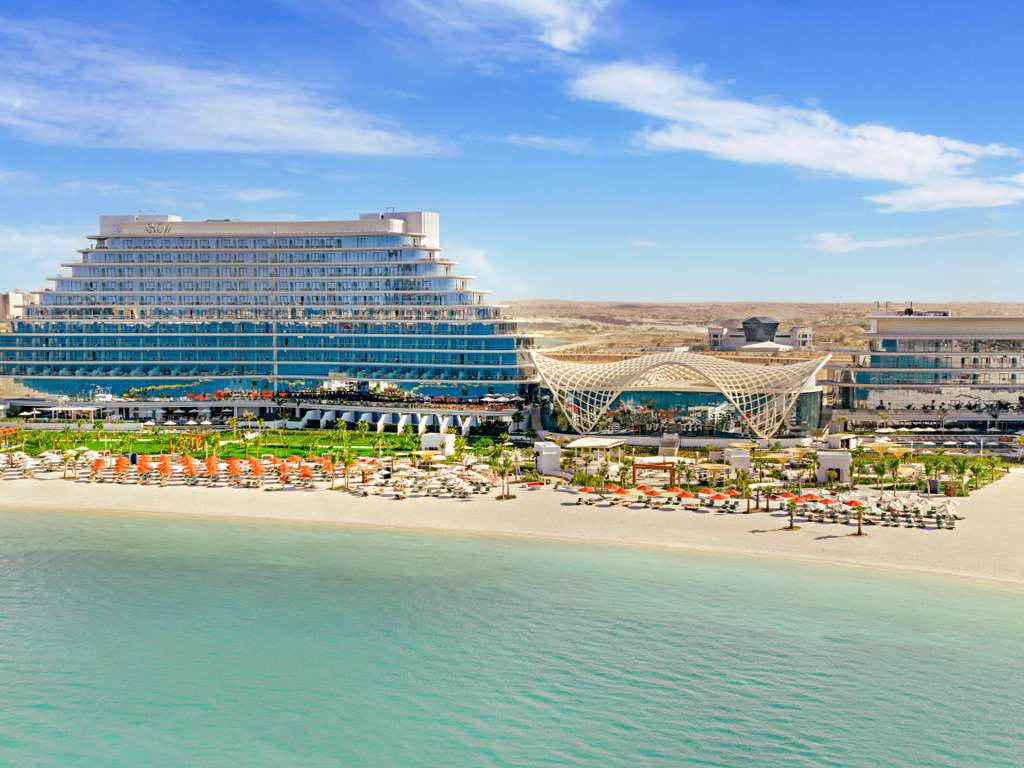



The United Arab Emirates, and Dubai in particular, have established themselves over the past few decades as a global crossroads of innovation and excellence across many sectors. Healthcare is no exception to this ambition. The government's visionary commitment to diversifying its economy and offering an unmatched quality of life to residents and visitors alike has led to massive investment in medical infrastructure, cutting-edge technology, and the attraction of international talent. This momentum is progressively transforming the region into a top-tier medical hub, rivaling the world's most renowned health centers. The goal is clear: not only to meet the growing needs of its population, but also to attract an international clientele seeking specialized treatments, high-quality care, and an exceptional patient experience. This detailed guide explores the key factors, innovative strategies, and challenges to overcome in consolidating and strengthening the United Arab Emirates' position as a go-to destination for world-class healthcare, based on current trends and future projections for 2024 and 2025. We will cover the foundations of this transformation, technological advances, regulatory frameworks, medical tourism initiatives, and opportunities for sector professionals.
Foundations of Emirati Medical Excellence: Definitions, History, and Key Principles
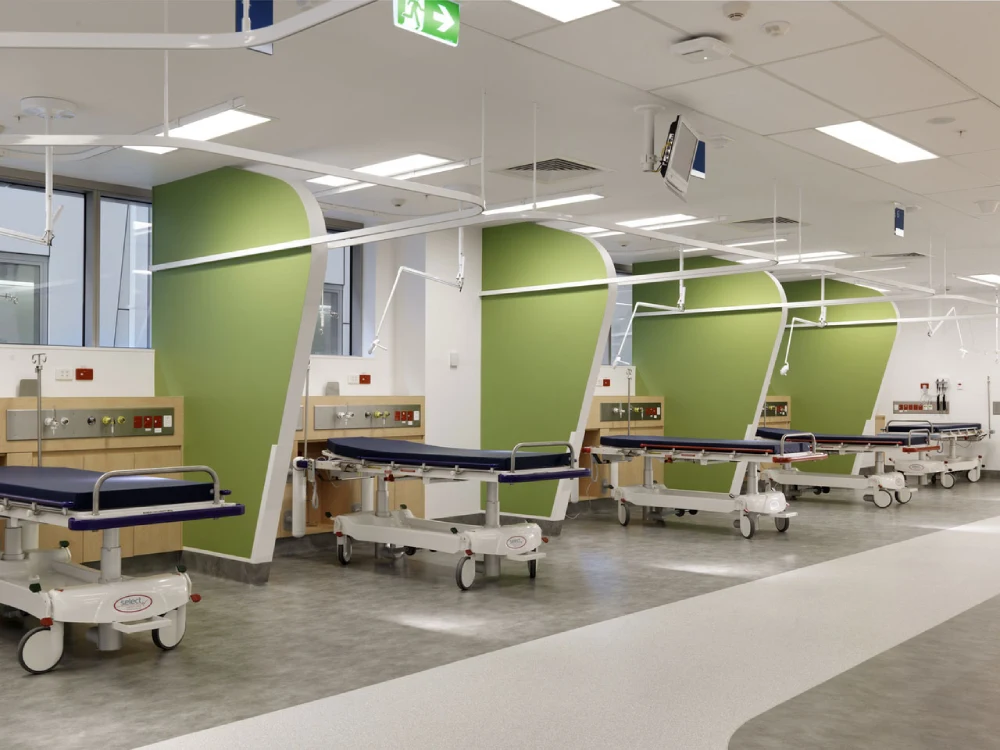
The foundations of the healthcare sector's success in the United Arab Emirates rest on a proactive government strategy and substantial investment. Historically, the country rapidly evolved from a developing healthcare system to a forward-thinking model. This transformation has been fueled by a long-term vision to make the UAE a global leader in innovation and services. The key principles include adopting cutting-edge technology, promoting research and development, attracting world-renowned health professionals, and establishing a strict regulatory framework guaranteeing the safety and quality of care. The government has also placed emphasis on prevention and public health, recognizing that healthy citizens are the cornerstone of a prosperous nation. Initiatives such as chronic disease awareness campaigns, screening programs, and easier access to primary care have been implemented. The focus is on personalized care, the integration of artificial intelligence and telemedicine, and creating an environment conducive to medical innovation. Definitions of "world-class" healthcare here include not only access to the latest technology and top specialists, but also a holistic patient experience centered on well-being and individual dignity. This encompasses modern infrastructure, a robust pharmaceutical supply chain, and a commitment to continuous medical education. Collaboration with leading international institutions has also played a crucial role in transferring knowledge and adopting global best practices. Furthermore, the establishment of dedicated healthcare free zones, such as Dubai Healthcare City, has attracted internationally renowned investors and operators, creating a dynamic ecosystem conducive to innovation and growth. These zones offer tax and regulatory advantages, facilitating the establishment of specialized clinics, teaching hospitals, and research centers, helping to make the region a preferred destination for quality healthcare. The integration of sustainability and eco-friendly practices into the design and operation of healthcare facilities is also a growing concern, reflecting an overall commitment to responsible development. The synergy between the public and private sectors is another fundamental pillar, encouraging partnerships that drive innovation and continuous improvement of services. The ultimate goal is to offer unmatched, accessible quality of care tailored to the needs of a diverse and demanding population.
Current Trends & Recent Statistics (2024/2025) in UAE Healthcare
The Explosion of Telemedicine and Connected Health
The COVID-19 pandemic accelerated the adoption of telemedicine and connected health solutions in the United Arab Emirates. In 2024/2025, this trend is not only holding steady but being reinforced by massive investment in digital infrastructure. Remote consultations, at-home patient monitoring via wearable devices, and digital health platforms have become essential pillars of the Emirati healthcare system. Recent studies show a rise of more than 60% in virtual consultations in a single year, and the health wearables market is expected to grow 15% annually. This enables better access to care, reduces wait times, and offers flexibility valued by both patients and professionals. In addition, the integration of artificial intelligence into preliminary diagnosis and patient data management is revolutionizing predictive and personalized medicine.
The Rise of Specialized Medical Tourism
The UAE is increasingly positioning itself as a preferred destination for medical tourism, particularly for specialized treatments such as oncology, cardiology, orthopedics, and cosmetic surgery. Dubai, in particular, saw its number of medical tourists grow by 10 to 15% each year before the pandemic, and this growth is strongly resuming in 2024. The government actively supports this industry through promotional initiatives and streamlined medical visas. Luxury hotel infrastructure, combined with ultra-modern hospitals and multilingual medical teams, offers a complete experience. Quality of service, appointment speed, and access to cutting-edge technology are major assets attracting patients from around the world, including from the MENA region, Eastern Europe, and Africa. The goal is to consolidate this position by diversifying the range of care offered and strengthening the reputation of local providers.
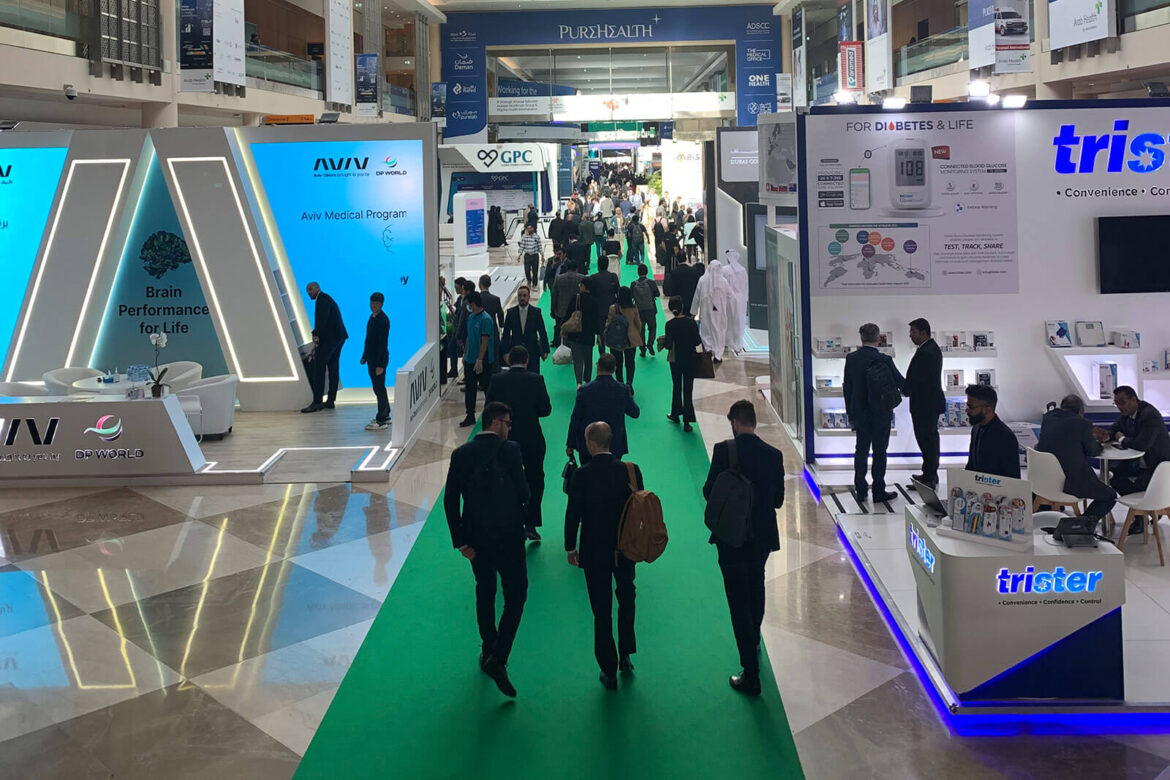
Comparing the Leading Options and Solutions for Strengthening the Healthcare Sector in the UAE
Detailed Comparison Table: Medical Tourism Development Models
Detailed Comparison Table: Healthcare Human Resources Development Strategies
Practical Guide to Optimizing the Patient Experience in UAE Healthcare
Step 1: Set Up an Integrated Digital Patient Platform
Digitalization is crucial. Develop a centralized platform letting patients book appointments online, access their secure medical records, receive personalized reminders, and communicate with health professionals. This interface must be intuitive, multilingual, and accessible across devices, improving administrative efficiency and patient engagement. Using a specialized website creation agency in Dubai & UAE can ensure an optimal design.
Step 2: Personalize the Care Journey With Artificial Intelligence
Use AI to analyze patient data, propose preliminary diagnoses, personalized treatment plans, and anticipate future needs. AI can also optimize patient flow management within facilities, reducing wait times and improving resource allocation. A personalized approach strengthens trust and satisfaction, contributing to better treatment adherence. A digital marketing consultant in Dubai can also play a role in optimizing the visibility of these services.
Step 3: Strengthen Communication and Post-Treatment Support
Ensure continuous follow-up after treatment. This includes remote follow-up consultations, therapeutic education programs, and access to support groups. Transparent, empathetic communication throughout the patient journey, from first contact to recovery, is essential. This creates a sense of holistic care and contributes to lasting health outcomes. Mobile app development in Dubai can provide the tools needed for this kind of follow-up.
Common Mistakes and Myths to Debunk in the Emirati Healthcare Sector
The Myth That Healthcare Is Only Accessible to the Wealthy
It's often believed that the UAE's healthcare system is exclusively reserved for a wealthy elite. This myth is false. While Dubai and the UAE offer luxury services, the government has put in place mandatory health insurance systems and public hospitals offering quality care at affordable costs for all residents. The diversity of offerings, from local clinics to specialized teaching hospitals, ensures differentiated but equitable access to care. Insurance coverage is widespread, covering a large portion of medical costs. Public initiatives aim to ensure that every individual, regardless of their financial situation, can benefit from essential health services, ranging from preventive medicine to complex specialized treatments. Assistance programs are also available for the most vulnerable cases, demonstrating a strong social commitment.
The Idea That the UAE Lacks Qualified Medical Staff
Contrary to popular belief, the United Arab Emirates actively attracts and retains a large number of highly qualified health professionals. Doctors, surgeons, and nurses from around the world come to work in the UAE, drawn by excellent working conditions, competitive salaries, and access to cutting-edge technology. The licensing system is rigorous and requires international recognition of qualifications, ensuring a high level of expertise. Continuing education and professional development programs are also in place to ensure staff stay at the forefront of medicine. Local universities and partnerships with international institutions also help train a new generation of medical talent locally. The UAE is investing massively in medical education to build a pool of local talent that will strengthen international teams. This cultural and professional diversity is a major strength of the Emirati healthcare system, fostering knowledge exchange and the adoption of global best practices.
The Myth of a Healthcare Sector Focused Solely on Treatment
Another common myth is that the UAE's healthcare system focuses primarily on treating illness, neglecting prevention. In reality, the Emirati government has launched numerous public health campaigns focused on prevention, promoting a healthy lifestyle, and early disease detection. Screening programs for cancer, diabetes, and cardiovascular disease are widely available. The focus is on health education, vaccination, and encouraging physical activity. Health authorities are investing massively in telemedicine and mobile health apps to facilitate preventive monitoring and access to information. This holistic approach aims to improve the population's overall well-being and reduce the incidence of chronic disease. Wellness centers and community health initiatives play a growing role in this strategy, encouraging a proactive approach to health. Integrating nutrition, mental health, and physical exercise into prevention programs is a priority.
Best Practices & Advanced Strategies for Medical Excellence in the UAE
Integrate Blockchain for the Security and Transparency of Patient Records
Adopting blockchain technology can revolutionize medical record management. By encrypting patient data on a distributed ledger, it guarantees maximum security against cyberattacks and unauthorized access. Every change is recorded immutably, ensuring full transparency and traceability. This facilitates secure information sharing between different care providers, improving coordination and continuity of treatment. Additionally, blockchain can simplify insurance and billing processes, reducing errors and fraud. This is a crucial strategy for building patient trust and strengthening the UAE's reputation for health data protection. Investing in website development in Dubai with blockchain features is a major step forward.
Develop Specialized, Collaborative Centers of Excellence
Rather than spreading resources thin, the UAE should invest in creating ultra-specialized centers of excellence (for example, in pediatric oncology, complex neurosurgery, or regenerative medicine). These centers would bring together the best experts, the most advanced technology, and cutting-edge research programs. Collaboration between these centers, both locally and internationally, would be encouraged to foster knowledge exchange and innovation. This would position the UAE as a global benchmark for specific treatments, attracting international clientele in search of rare expertise and very high-quality care. A web agency in Dubai can help promote these specialized centers globally.
Promote Genomics-Driven Personalized Preventive Medicine
Integrating genomics into preventive medicine is a strategy for the future. By analyzing individuals' genetic profiles, it's possible to identify disease predispositions and design highly personalized prevention and treatment plans. The UAE should invest in cutting-edge genetic sequencing labs and massive databases to collect and analyze this information ethically and securely. This proactive approach would make it possible to detect risks before symptoms appear, intervene earlier, and considerably improve long-term health outcomes. It's a step toward truly bespoke medicine. Personal branding in Dubai & UAE for doctors and researchers specializing in this field is also important for attracting talent and recognition.
The Transformation of Dubai Healthcare City Into a Global Ecosystem
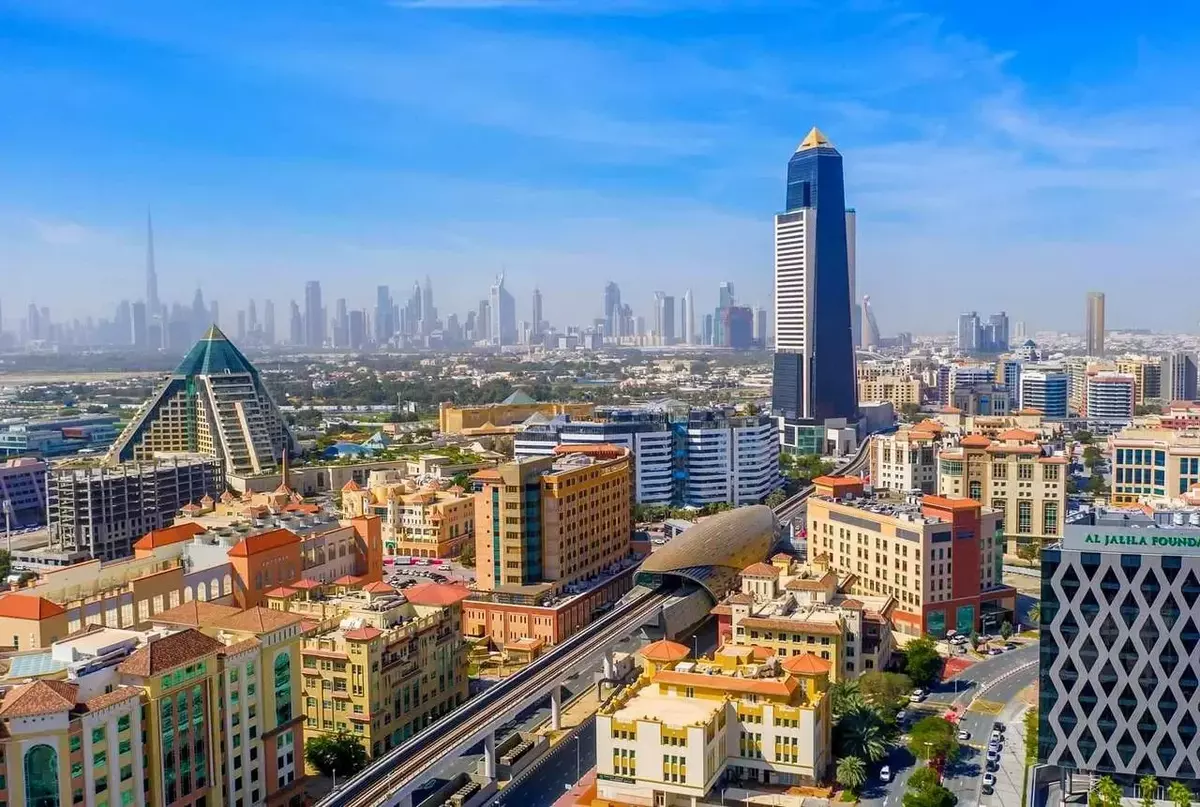
Dubai Healthcare City (DHCC) reflects the United Arab Emirates’ strategic vision for the healthcare sector. Established in 2002, this free zone was designed as an integrated hub combining medical care, education, and research. Today, it hosts over 160 healthcare partners, including internationally accredited hospitals, specialized clinics, laboratories, and pharmacies, as well as healthcare professionals from more than 100 nationalities.
DHCC also plays a central role in medical education and innovation through institutions such as the Mohammed Bin Rashid University of Medicine and Health Sciences (MBRU) and global research partnerships. Its dedicated services for international patients further position Dubai as a leading medical tourism destination.
By focusing on excellence, innovation, and the integration of digital health and artificial intelligence, DHCC stands as a global model for integrated healthcare ecosystems and supports the UAE’s ambition to become a world leader in healthcare.
Understanding the Healthcare Sector in the UAE
What makes the United Arab Emirates unique as a healthcare destination?
The UAE stands out for its ultra-modern infrastructure, cutting-edge technology, the attraction of international health professionals, and a strict regulatory framework. The focus on medical tourism and government investment support a high-quality patient experience.
How does the UAE guarantee the quality and safety of care?
The Emirati healthcare system is governed by rigorous health authorities (DHA, DoH) that enforce strict international standards. Facilities are regularly accredited and medical staff must pass thorough licensing exams.
What are the most sought-after medical treatments in the UAE among international patients?
International patients frequently turn to the UAE for cardiology, oncology, fertility, orthopedic surgery, cosmetic surgery, and advanced dentistry. These specialties benefit from considerable investment in technology and expertise.
What are the government initiatives to promote medical tourism?
Initiatives include targeted promotional programs, streamlined medical visa processes, the development of dedicated free zones such as Dubai Healthcare City, and support for international partnerships to attract patients.
How is technology integrated into the UAE's healthcare system?
Technology is at the heart of the system, with strong adoption of telemedicine, electronic medical records, artificial intelligence for diagnosis, robotic surgery, and connected health devices, improving the efficiency and precision of care.
What are the main challenges facing the UAE in the healthcare sector?
Challenges include managing rapid growth, maintaining a sufficient supply of qualified staff, continuously integrating technological innovation, and sustaining a healthcare system that remains accessible and equitable for all.
Practical Checklist: Maximizing the UAE's Healthcare Potential
1. Continuously Invest in Cutting-Edge Technology
Ensure the acquisition and integration of the latest medical innovations, from advanced diagnostic equipment to surgical robotics. This maintains competitiveness and attracts the world's top specialists.
2. Strengthen International and Local Partnerships
Develop collaborations with world-renowned hospitals, universities, and research centers for knowledge exchange and training. Also foster local public-private synergies.
3. Optimize the Patient Experience at Every Touchpoint
Put in place medical concierge services, smooth care journeys, and transparent communication. Patient satisfaction is essential for positive word of mouth and reputation.
4. Promote an Active Research and Development Culture
Fund and encourage clinical and translational research to drive local innovation. Attract leading researchers and create state-of-the-art laboratories.
5. Develop Talent Training and Retention Programs
Invest in continuing medical education and offer attractive working conditions to attract and retain the best health professionals, both local and international.
6. Adopt Flexible, Safe Regulatory Frameworks
Adapt regulations to support innovation while guaranteeing rigorous safety and ethical standards. This creates an environment conducive to experimentation and the adoption of new therapies.


