










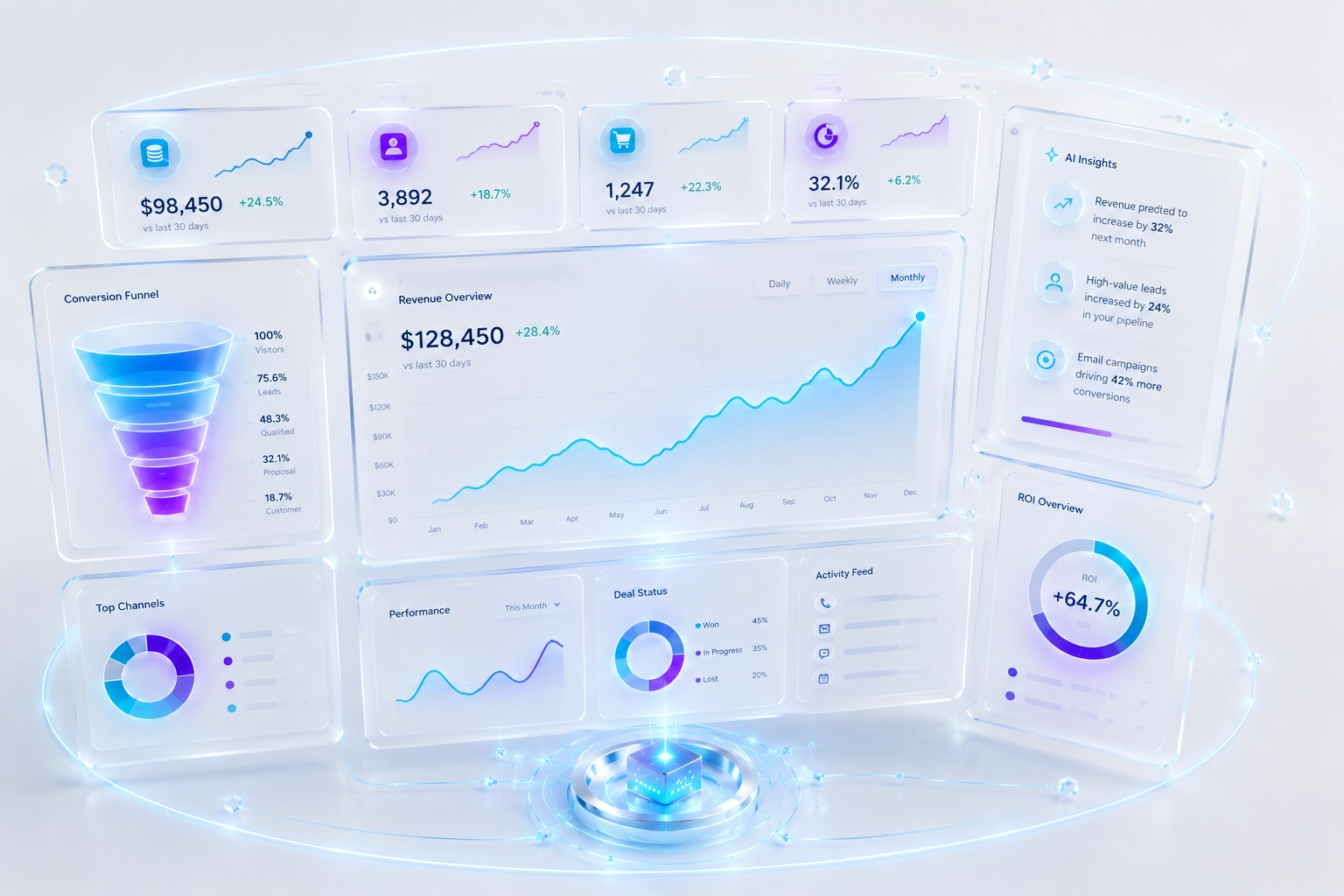





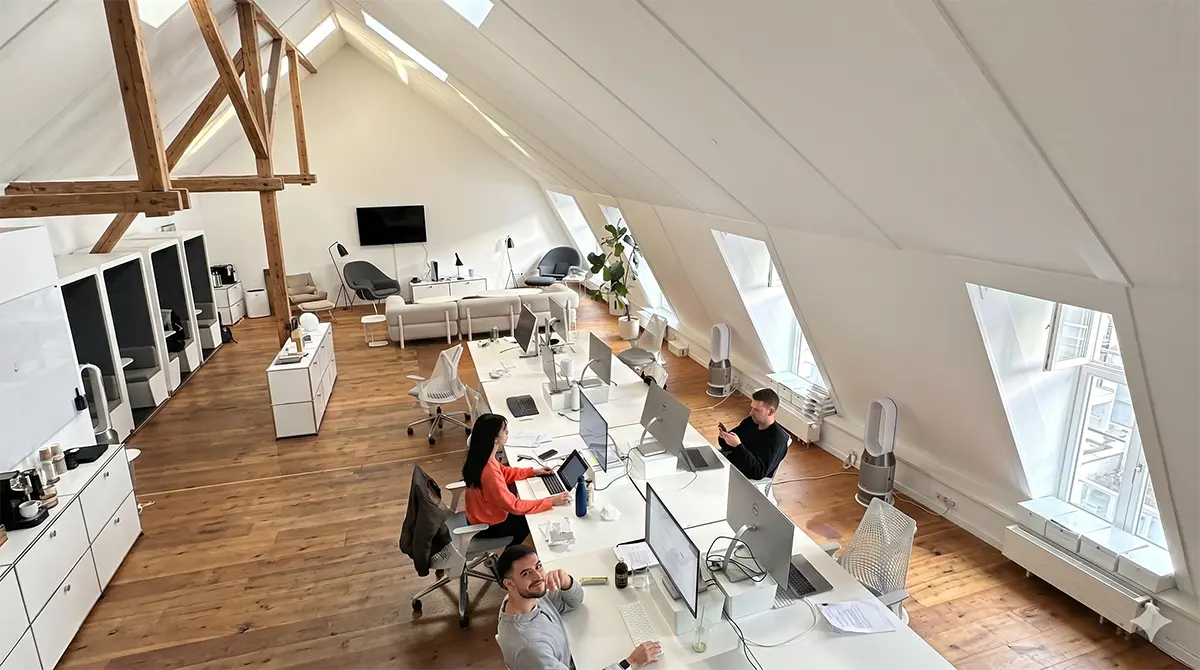






























In today's rapidly evolving digital landscape, having a strong online presence is no longer optional—it's essential for businesses of all sizes. While the prospect of building and maintaining a website might seem daunting, especially for those without a technical background, self-managed website solutions offer an empowering alternative to relying solely on web development agencies. These platforms provide the tools and flexibility for individuals and businesses to take control of their online narrative, from initial design and content creation to ongoing updates and maintenance. This approach isn't about becoming a coding expert; it's about leveraging user-friendly interfaces and readily available resources to build and manage a professional website that truly reflects your brand and meets your specific needs. This article explores the practical benefits and key considerations of embracing self-managed website solutions.
1. Understanding Self-Managed Platforms and Their Advantages
The core of self-managed website solutions lies in platforms that abstract away the complexities of coding and server management, empowering users with intuitive interfaces.
- Exploring Popular Platforms: Several popular self-managed website platforms cater to various needs and technical skill levels. WordPress, with its vast ecosystem of themes and plugins, offers incredible flexibility and scalability. Shopify is specifically designed for e-commerce, providing robust tools for online stores. Wix and Squarespace are known for their user-friendly drag-and-drop interfaces and visually appealing templates, ideal for individuals and small businesses seeking ease of use and aesthetic appeal. Understanding the strengths and weaknesses of each platform is the first step towards choosing the right solution for your specific goals in Dubai or across the UAE.
- Cost-Effectiveness and Budget Control: One of the most significant advantages of self-managed websites is the potential for significant cost savings. By reducing or eliminating the ongoing fees associated with hiring a web development agency for every update or content change, businesses can allocate their resources more strategically. While there might be costs associated with domain registration, hosting (depending on the platform), and premium themes or plugins, these are often considerably lower and more predictable than agency retainers. This cost-effectiveness is particularly appealing for startups and small businesses in Dubai looking to establish an online presence without a hefty initial investment.
- Flexibility and Speed of Implementation: Self-managed platforms offer unparalleled flexibility and speed in getting your website up and running. With pre-designed templates and intuitive drag-and-drop editors, you can create a visually appealing and functional website in a fraction of the time it would take to develop a custom site from scratch. This agility allows businesses in the fast-paced UAE market to quickly adapt to changing market conditions, launch new products or services promptly, and maintain control over their online presence without waiting for external developers.
2. Taking Control: Content Creation and Website Management
Self-managed websites put you firmly in the driver's seat when it comes to creating and managing your online content.
- Empowerment in Content Creation: Self-managed platforms provide user-friendly content management systems (CMS) that require no coding knowledge to add, edit, and organize text, images, videos, and other media. This empowers businesses to directly control their brand messaging, update product information in real-time, publish blog posts, and engage with their audience without relying on a third party. This direct control fosters agility and ensures that your online content is always fresh and relevant to your target market in Dubai.
- DIY Website Updates and Maintenance: Gone are the days of submitting change requests and waiting for a web development agency to implement simple updates. Self-managed platforms allow you to easily modify your website's content, design elements (within the constraints of your chosen theme), and even install and manage plugins or extensions that add new functionalities. While more complex technical issues might still require expert assistance, routine updates and maintenance tasks become manageable in-house, saving time and money for businesses in the UAE.
- Understanding Basic SEO Principles for Self-Management: While you don't need to be an SEO expert, understanding basic Search Engine Optimization (SEO) principles is crucial for making your self-managed website discoverable online. Most platforms offer built-in SEO tools and plugins that allow you to optimize page titles, meta descriptions, headings, and image alt text. Learning these fundamentals empowers you to improve your website's visibility in search engine results, attracting more organic traffic from potential customers in Dubai and beyond.
3. Choosing the Right Solution and Addressing Potential Challenges
Selecting the appropriate self-managed platform and being aware of potential challenges are key to a successful experience.
- Selecting the Right Platform for Your Needs: Carefully evaluate your website requirements, technical comfort level, budget, and long-term goals before choosing a self-managed platform. Consider factors like the availability of suitable templates for your industry, the ease of use of the editor, the platform's scalability for future growth, the level of customer support provided, and the availability of necessary integrations (e.g., payment gateways, email marketing tools) relevant to the UAE market.
- Addressing the Learning Curve and Time Commitment: While self-managed platforms are designed for ease of use, there is still a learning curve involved in mastering the platform's features and best practices. Be prepared to invest some time in learning the basics, exploring tutorials, and familiarizing yourself with the platform's documentation. Additionally, ongoing website management and content creation require a consistent time commitment. If your team lacks the necessary time or expertise, consider delegating these tasks internally or exploring options for part-time support.
- Security and Maintenance Responsibilities: While self-managed platforms handle much of the underlying infrastructure, website security and regular maintenance remain your responsibility. This includes keeping your platform, themes, and plugins updated to patch security vulnerabilities and ensure compatibility. Implementing basic security measures, such as strong passwords and regular backups, is also crucial to protect your website and data. Familiarizing yourself with these responsibilities or seeking occasional technical assistance when needed is essential for maintaining a secure and functional online presence in the UAE.
Empowering your business with a self-managed website solution provides greater control, cost-effectiveness, and flexibility in the digital age. For businesses in Dubai and across the UAE looking to establish a strong online presence without the complexities of traditional development, exploring these platforms is a smart move. If you eventually require more advanced customization or specialized features, connecting with a reputable Web design agency in Dubai or a full-service Website Development agency in UAE can provide the additional support you need while still maintaining control over your core website content and management. Consider partnering with a Web development agency in Dubai or a Web design agency in UAE for bespoke design elements or complex integrations that enhance your self-managed website.


