






























The world of graphic design is a constantly evolving landscape, a visual dialogue between trends, technologies, and cultural shifts. One of the most prominent and recurring themes in this evolution is the dynamic interplay between maximalism and minimalism. These two seemingly opposing aesthetics represent more than just stylistic choices; they reflect broader philosophies about communication, functionality, and the role of visual elements. For graphic designers in Dubai and across the globe, understanding this pendulum swing – from embracing abundance to celebrating restraint – provides invaluable insight into current design trends and informs effective visual communication strategies. Let's explore this fascinating journey, grounding theoretical concepts in practical applications relevant to today's digital marketing landscape.
The Reign of More: Exploring the Allure of Maximalism
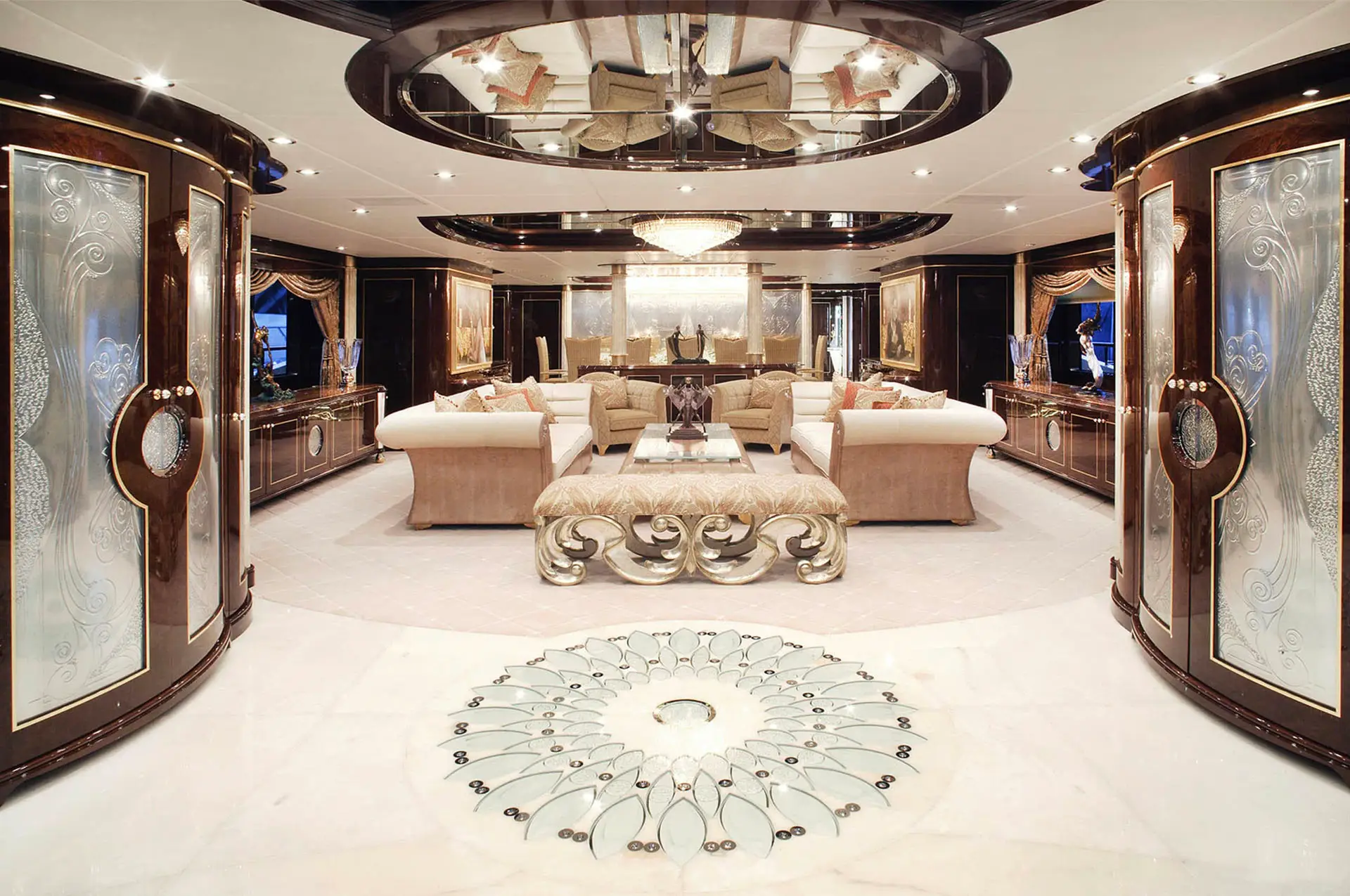
In periods characterized by economic prosperity, technological advancements, or a desire to express individuality, maximalism often takes center stage. This design philosophy embraces abundance, layering textures, patterns, colors, and intricate details. Think of the opulent Art Deco era, with its geometric patterns, rich materials, and lavish ornamentation. In more recent times, the rise of digital tools allowed designers to incorporate complex graphics and visual elements with greater ease, leading to a resurgence of maximalist tendencies in web design and branding.
Practical Examples and Insights:
-
Layered Web Design: Early 2000s websites often exemplified a form of digital maximalism, packed with information, animated elements, and multiple visual cues vying for attention. While often overwhelming by today's standards, it reflected the excitement and new possibilities of the burgeoning internet.
-
Bold and Eclectic Branding: Some contemporary brands deliberately adopt a maximalist approach to stand out in crowded markets. Consider the vibrant and intricate packaging designs seen in many modern craft breweries, utilizing bold illustrations, diverse typography, and a rich color palette to convey personality and stand out on the shelf. This works when the brand aims to project a sense of energy, eccentricity, or a rich narrative.
-
Editorial Design with Flourish: In print and digital editorial design, maximalism can manifest in densely packed layouts, overlapping elements, and the bold use of typography and imagery to create visual drama and hierarchy. This can be effective for conveying a sense of energy, excitement, or a wealth of information in magazines or online articles.
However, maximalism, if not executed thoughtfully, can lead to visual clutter, making it difficult for audiences to discern key messages and hindering usability, especially in the fast-paced digital realm.
The Power of Subtraction: Understanding the Core Principles of Minimalism
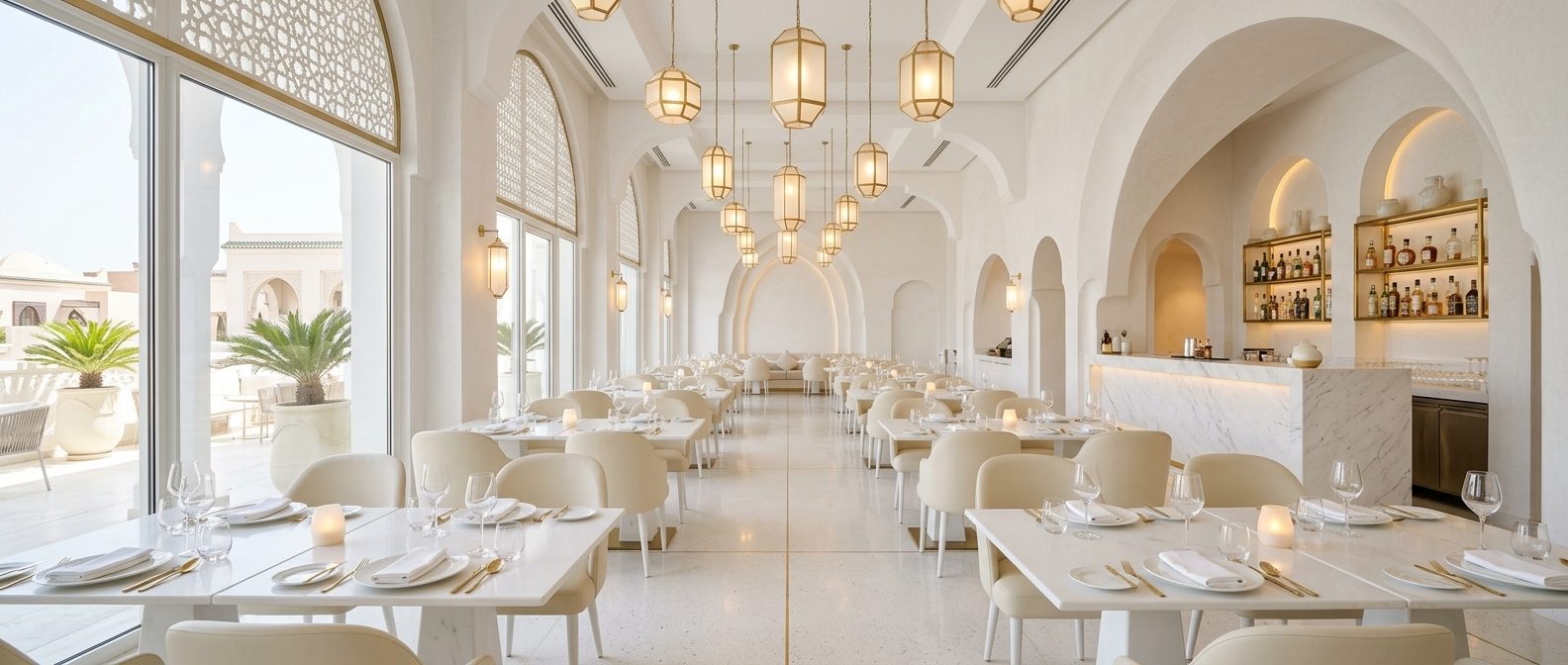
As a counter-reaction to excess, or driven by a focus on clarity and functionality, minimalism emerges as a powerful design philosophy. It champions simplicity, clean lines, ample white space, a limited color palette, and a focus on essential elements. The "less is more" ethos, famously attributed to architect Ludwig Mies van der Rohe, lies at the heart of minimalism.
Practical Examples and Insights:
-
Clean and Intuitive Web Design: Modern web design largely favors minimalism, prioritizing user experience through uncluttered layouts, clear navigation, and a focus on core content. Brands like Apple have long been proponents of minimalist design in their products and online presence, emphasizing ease of use and visual elegance through simplicity. This approach enhances readability, improves site speed, and focuses user attention on key actions.
-
Streamlined Logo and Branding: Many contemporary logos have embraced minimalist aesthetics, moving away from intricate illustrations towards simple geometric shapes or refined typography. Think of the evolution of brands like Google, whose logo has become increasingly streamlined over time to be more adaptable across various digital platforms. This reflects a desire for clarity, versatility, and timelessness.
-
Focus on Typography and White Space: In minimalist graphic design, typography often takes center stage, becoming a key visual element. Generous use of white space (or negative space) creates visual breathing room, improves readability, and lends a sense of sophistication and clarity to the design. This is particularly effective for conveying professionalism, trust, and a sense of high quality, often seen in luxury brand advertising.
Minimalism, when executed effectively, can communicate sophistication, clarity, and a focus on what truly matters. However, it risks appearing bland or lacking personality if not implemented with careful consideration of visual hierarchy and subtle details.
The Modern Synthesis: Finding Balance in a Digital World
The design landscape isn't always a strict dichotomy between maximalism and minimalism. Often, the most effective and contemporary designs find a balance, incorporating elements of both philosophies. We see trends like "clean minimalism" which incorporates subtle textures, gradients, or carefully chosen pops of color to add visual interest without sacrificing clarity. Similarly, a more controlled and intentional form of maximalism is emerging, where carefully curated collections of elements are arranged to create a sense of richness and personality without overwhelming the viewer.
Practical Takeaways for Graphic Designers:
-
Understand the Brand's Message: The choice between maximalism and minimalism (or a blend of both) should always be driven by the brand's personality, target audience, and the message it wants to convey. A playful, energetic brand might lean towards a controlled maximalism, while a sophisticated, tech-focused brand might embrace minimalism.
-
Prioritize User Experience: In digital design, functionality and usability must always be paramount. Even if embracing a more visually rich aesthetic, ensure that key information is easily accessible and the user journey remains intuitive.
-
Stay Informed and Adaptable: The design world is constantly evolving. By understanding the historical context of design trends and observing current movements, graphic designers can remain adaptable and create visually compelling and effective solutions that resonate with contemporary audiences.
Understanding the historical dialogue between maximalism and minimalism provides graphic designers with a valuable framework for approaching their work. It's a reminder that design choices are not arbitrary but are rooted in cultural, technological, and communicative contexts. As digital marketing continues to evolve in dynamic markets like Dubai, the ability to strategically apply these principles will be crucial for creating impactful and resonant visual experiences.
When you're looking to elevate your brand's visual identity and create impactful designs that resonate with your target audience, having a creative and strategically-minded partner is key. A leading Graphic design agency in Dubai (Hello World Label Dubai) can help you navigate these aesthetic choices, ensuring your brand stands out. For businesses seeking a comprehensive approach to their visual communication, a specialized Studio design agency in Dubai (Hello World Label Dubai) offers expertise from concept to execution. Similarly, for those operating across the Emirates, a top-tier Graphic design agency in UAE (Hello World Label Dubai) provides unparalleled creative solutions. And if you're looking for a holistic approach to design and branding across the entire country, a dedicated Studio design agency in UAE (Hello World Label Dubai) will be your strategic partner in bringing your vision to life.


