


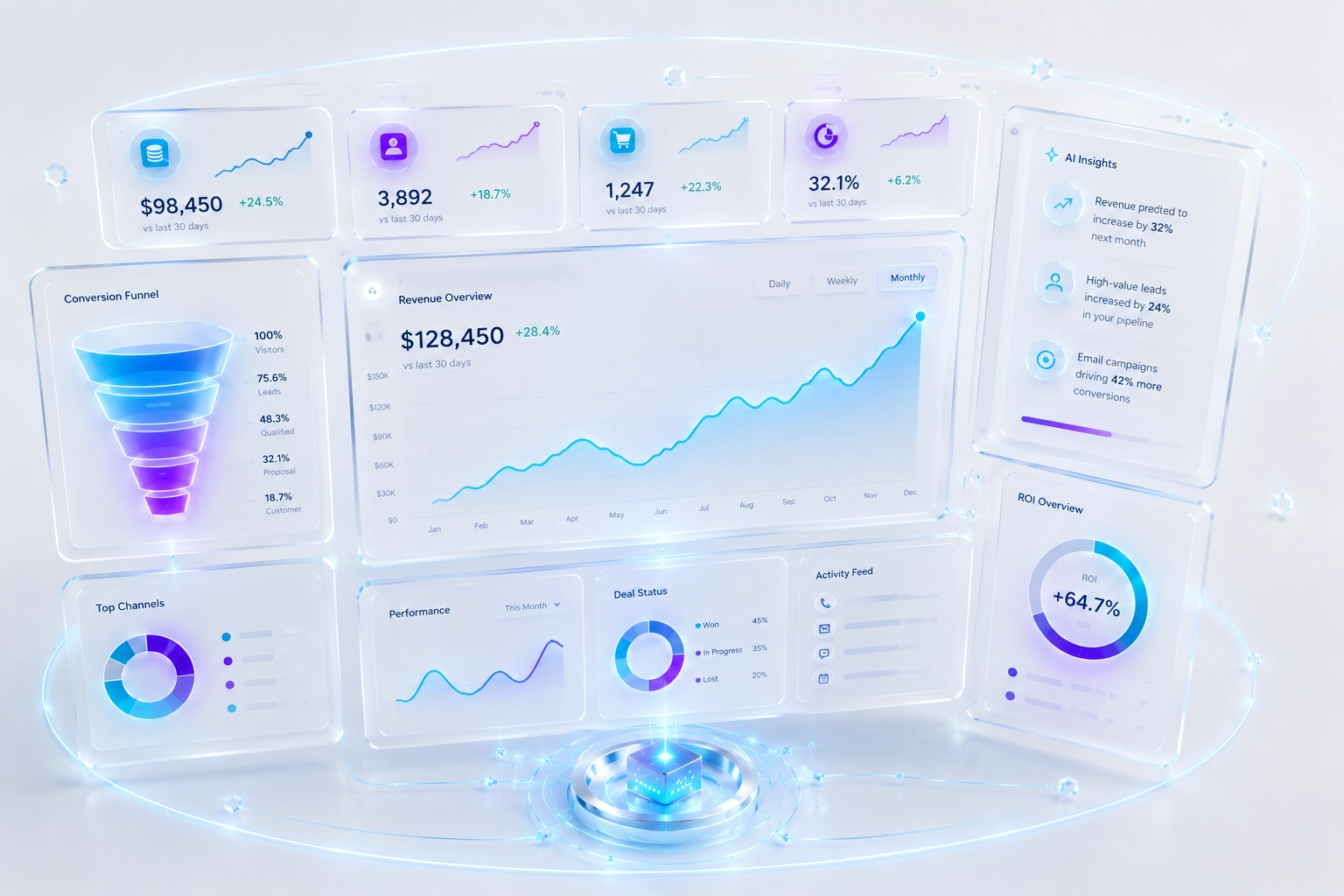
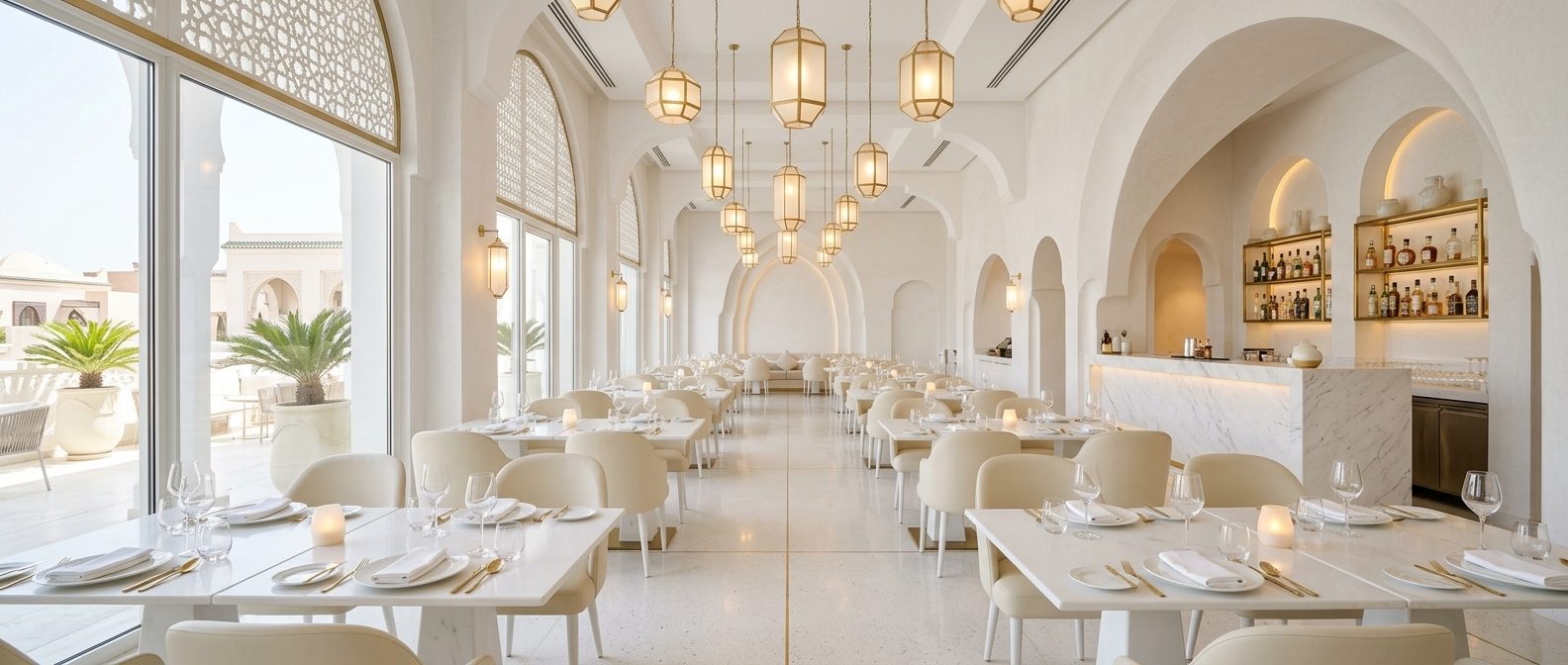
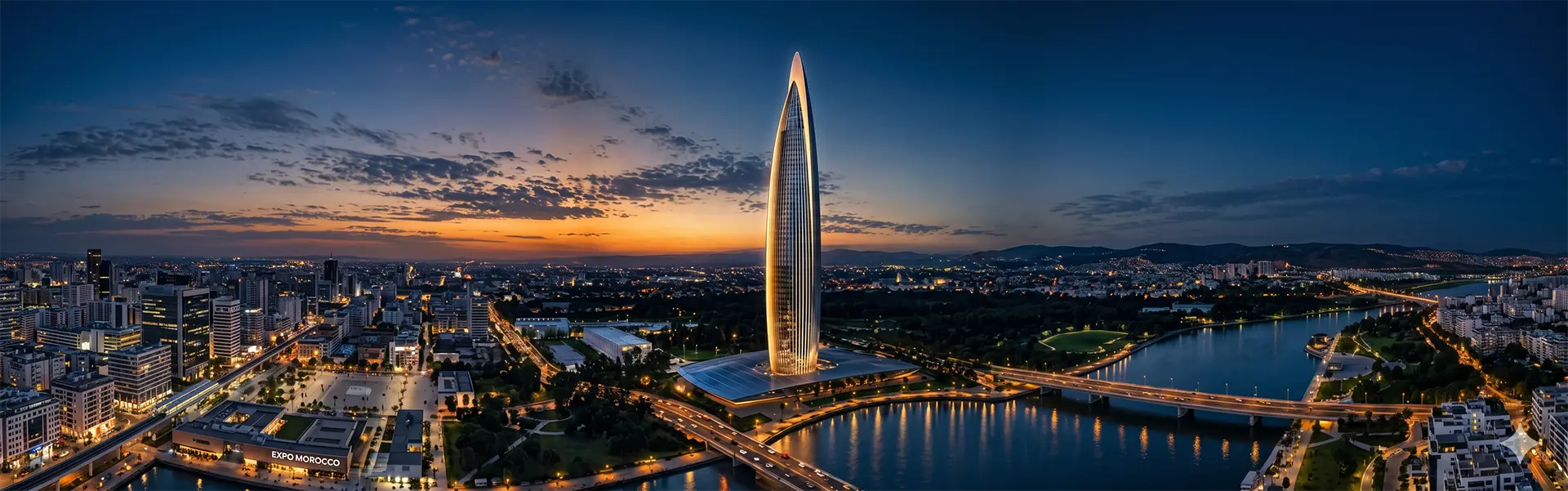

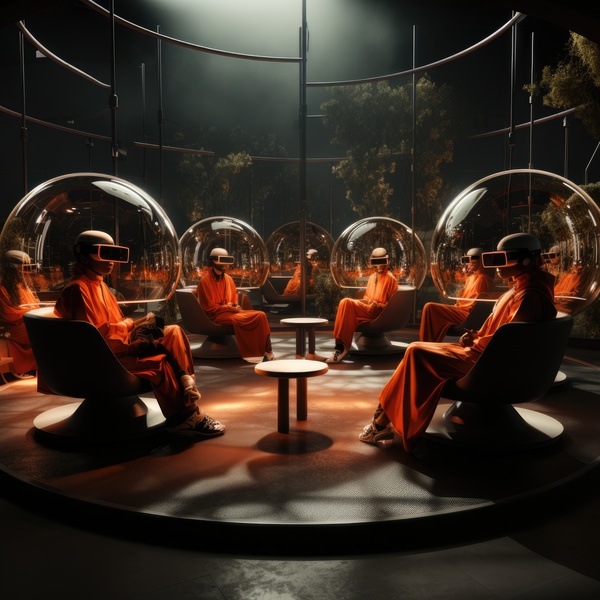


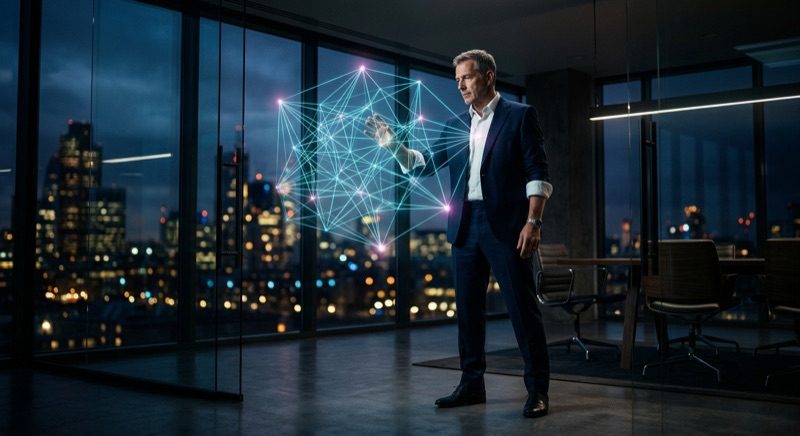
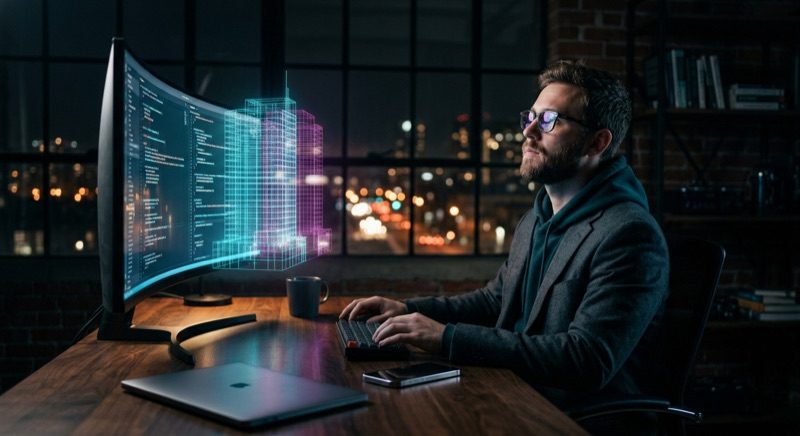




In the pulsating heart of the UAE, Dubai stands as a testament to future vision, yet it's a city also deeply rooted in rich cultural heritage. This unique blend creates fertile ground for intriguing design trends, none more captivating than retrofuturism and nostalgia. Far from being a mere fleeting fad, this aesthetic fuses elements of past visions of the future with a yearning for bygone eras, creating a look that is both familiar and revolutionary. For designers and digital marketers in Dubai, mastering this blend offers a powerful way to resonate with an audience that appreciates both innovation and tradition. It’s about evoking a sense of wonder for what "could have been" while simultaneously embracing the cutting-edge. This article will explore practical approaches to integrating these compelling aesthetics into your branding and marketing strategies.
1. Understanding the Allure and Applications of Retrofuturism
Retrofuturism isn't just about looking backward; it's about interpreting a past era's optimism and anxieties about the future.
- The Power of Dual Appeal: This style appeals on two fundamental levels. The nostalgia component offers comfort, familiarity, and a connection to a perceived simpler time, often evoking a sense of warmth and authenticity. Simultaneously, the "futurism" aspect sparks curiosity, excitement, and a sense of progress. This dual appeal makes it incredibly potent for brand storytelling, allowing companies to appear both established and forward-thinking. In Dubai, a city built on rapid advancement while honoring its past, this aesthetic naturally finds a strong echo.
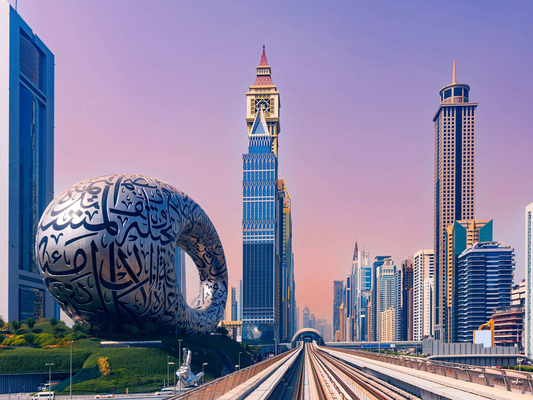
- Diverse Inspirations, Unified Effect: Retrofuturism draws inspiration from various eras – think 1950s atomic age optimism, 1980s cyber-punk neon glow, or early 20th-century steampunk mechanics. The key is to select specific historical design cues (e.g., bold typography, specific color palettes, vintage illustrations) and reimagine them through a modern, often high-tech, lens. For a graphic design agency in Dubai, this means creatively reinterpreting classic Arabic script with futuristic elements or blending traditional patterns with digital glitches to create a truly unique visual signature.
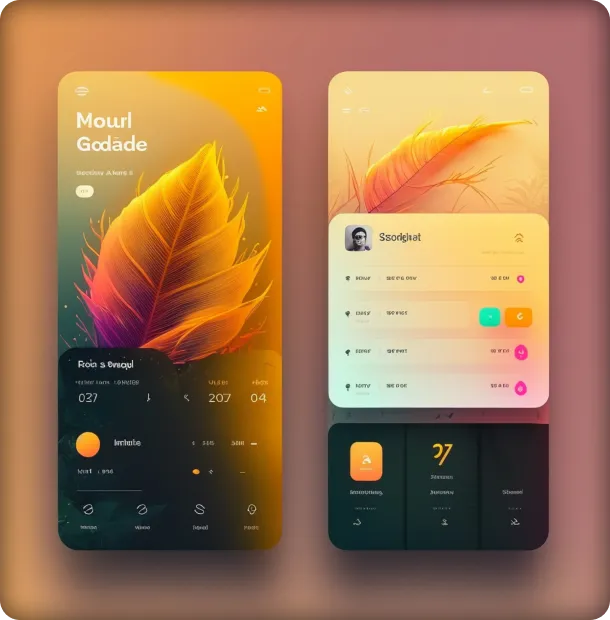
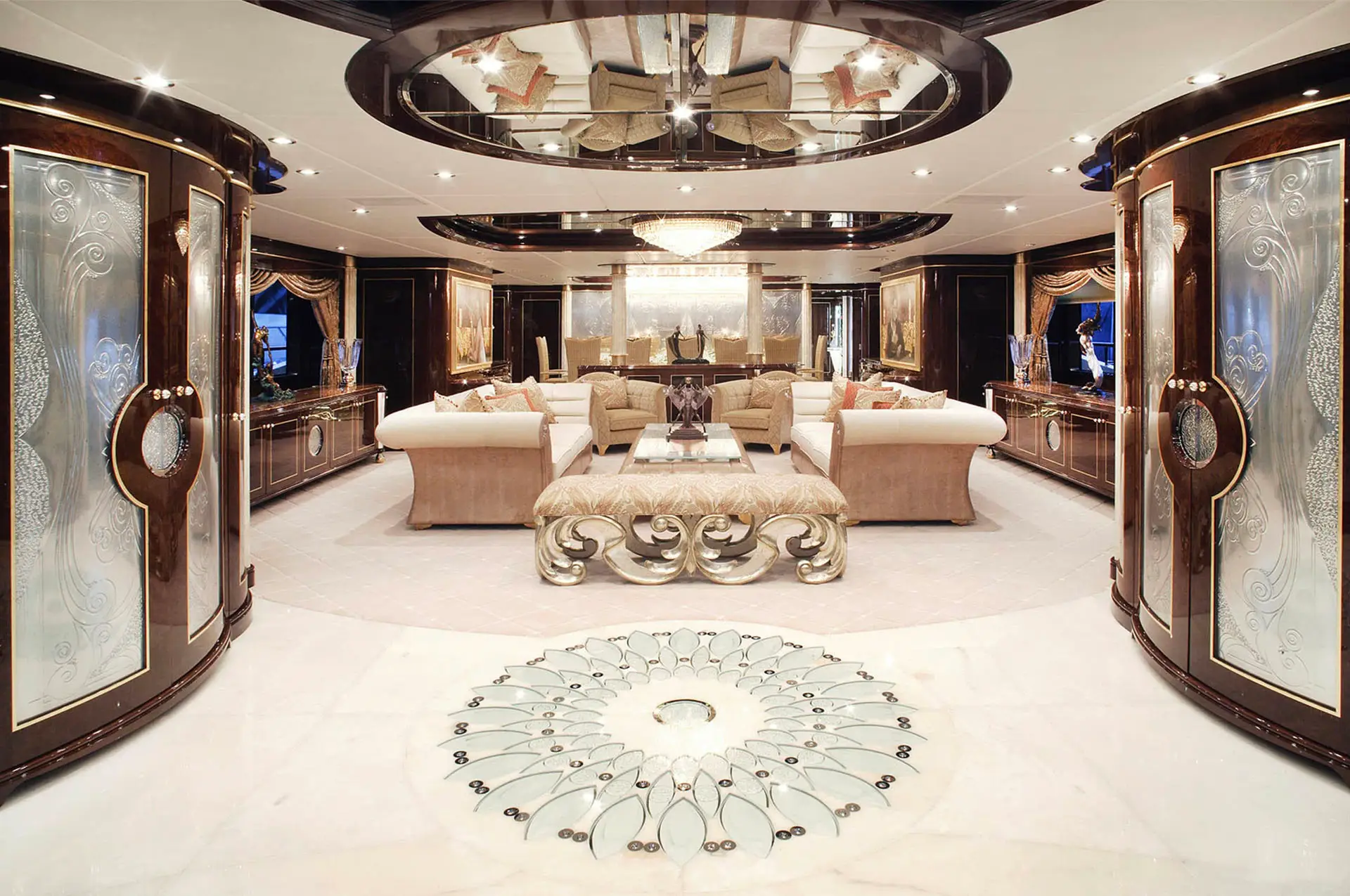
- Applications Across Mediums: This aesthetic isn't confined to a single medium. It can be seen in branding, website design, app interfaces, advertising campaigns, video production, and even interior design. For example, a studio design agency in UAE might craft a brand identity for a tech startup that uses vintage sci-fi movie poster aesthetics for its marketing materials, or design a mobile app interface with classic arcade game visuals. The versatility allows for comprehensive and cohesive brand experiences.
2. Practical Elements: How to Blend Past & Future in Design
Translating retrofuturism into tangible design elements requires a keen eye for detail and strategic choices.
- Typography as a Time Machine: Font selection is crucial. You can pair a classic, serif font (evoking nostalgia) with a sleek, minimalist sans-serif or a bold, geometric typeface (representing the future). Alternatively, use custom-designed fonts that blend vintage flourishes with futuristic angles or digital distortions. The contrast itself can become a design statement. Consider how Arabic typography can be subtly modernized while retaining its classic beauty.
- Color Palettes with a Narrative: Retrofuturist palettes often play with contrast. Think muted, faded, or sepia-toned backgrounds (for the nostalgia) punctuated by vibrant neon accents, electric blues, or cyberpunk purples and greens (for the futuristic edge). The key is a deliberate clash that feels harmonious. This blend creates depth and visual intrigue, making your designs memorable and distinct in the UAE market.
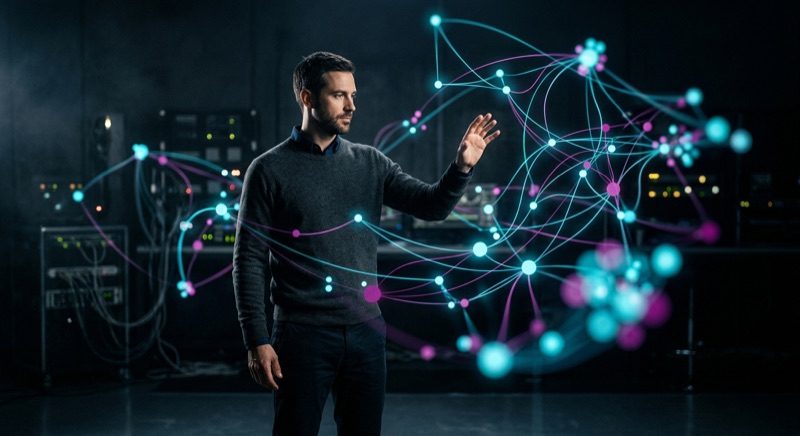
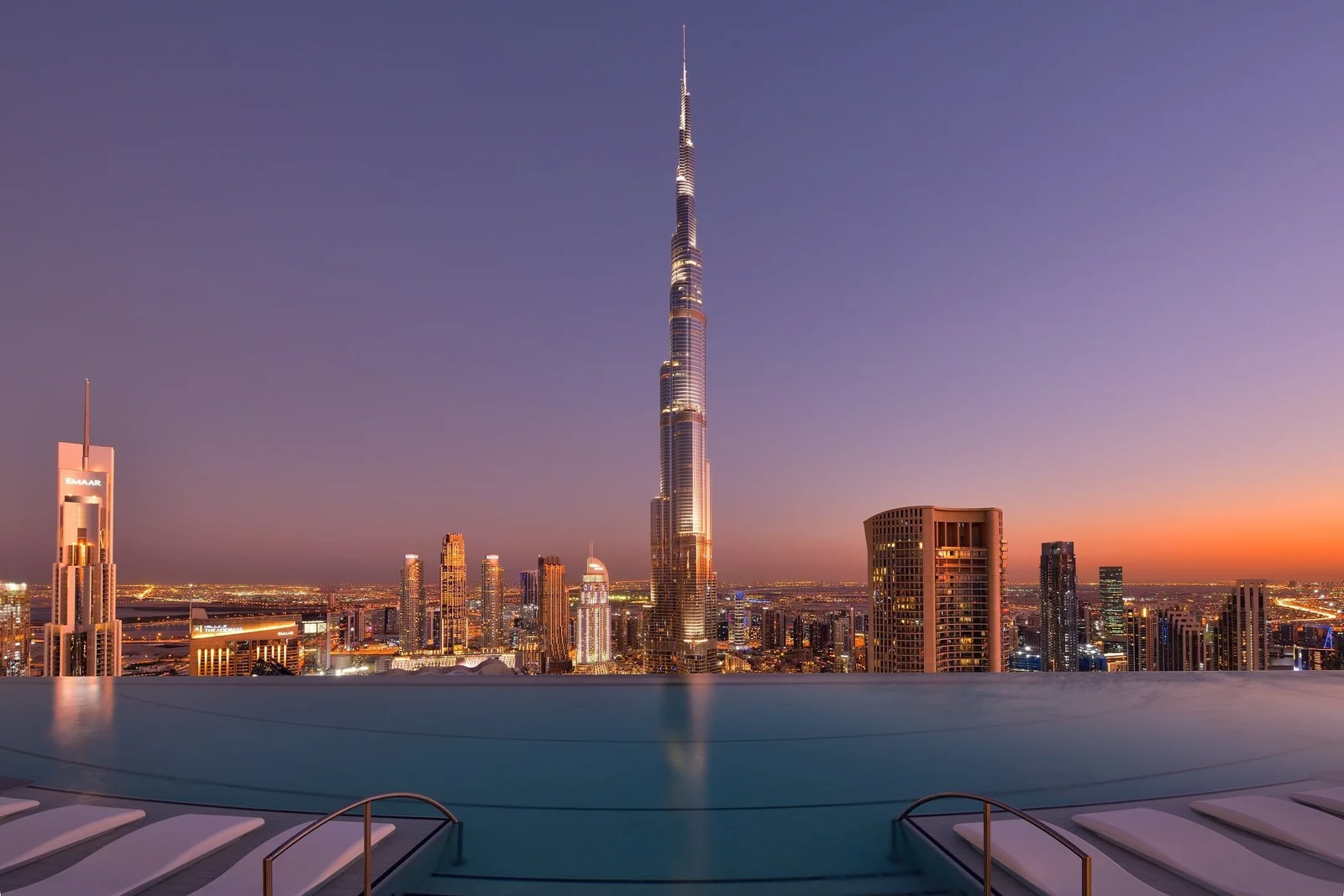
- Imagery, Iconography & Visual Storytelling: This is where the magic truly happens. Imagine vintage advertisements for flying cars, sleek robots interacting with old-world architecture, or astronauts exploring retro-styled cityscapes. Icons can be given a pixelated, 8-bit feel combined with modern UI elements. For businesses in Dubai, this could involve depicting traditional dhows sailing past futuristic skyscrapers, or combining historical patterns with digital textures. The goal is to tell a story where time feels fluid.
- Layout & Composition: Structured Chaos or Organized Progress: Design layouts can range from symmetrical, almost architectural structures reminiscent of mid-century modernism, to more dynamic, layered compositions with holographic overlays or distorted grids that evoke a digital future. The balance is about creating a sense of order with elements of disruption, or vice versa, reinforcing the past-meets-future narrative.
3. Strategic Implementation & Audience Resonance in the UAE
Effectively deploying retrofuturism requires understanding your audience and the specific context of the UAE market.
- Targeting the Right Resonance: While retrofuturism has broad appeal, it particularly resonates with tech-savvy individuals, those interested in art and design, and audiences who appreciate innovative takes on tradition. In Dubai, a city that consistently pushes boundaries in architecture and technology while cherishing its heritage, this aesthetic can powerfully connect with both locals and expatriates seeking unique cultural fusion. Your marketing strategy should identify which segment of your audience will respond most strongly to this visual language.
- Authenticity Over Superficiality: The danger lies in merely applying superficial retrofuturistic elements without genuine intent. The blend must feel authentic to your brand story and values. If your brand celebrates heritage and innovation, this aesthetic will naturally align. It's about a genuine design philosophy, not just a trendy filter. An effective studio design agency in UAE will ensure this authenticity shines through.
- Platform-Specific Adaptation: While the core aesthetic remains, its implementation needs to be adapted for different digital marketing channels. On Instagram Reels or TikTok, think short, punchy animations with glitch effects and retro soundscapes. For a website, it might involve subtle background textures, specific hover effects, and distinct typography pairings. For advertising campaigns, consider infographics with a vintage blueprint style or product showcases featuring futuristic light effects on classic items.
- Building a Unique Brand Narrative: Ultimately, retrofuturism offers a powerful tool for brand storytelling. It allows you to position your brand as one that respects its roots while bravely stepping into the future. This narrative can differentiate you significantly in a crowded market, creating a memorable and emotionally resonant experience for your audience in Dubai and beyond.
To truly harness the unique blend of past and future aesthetics for your brand in Dubai, specialized creative expertise is invaluable. A leading Graphic design agency in Dubai can craft compelling visual identities that resonate with this trend. For comprehensive visual solutions, a dedicated Studio design agency in Dubai offers a holistic approach. Whether your vision spans the entire nation or is focused on the vibrant Dubai market, a skilled Graphic design agency in UAE or a specialized Studio design agency in UAE can help you future-proof your digital presence with unique and memorable aesthetics.


