

























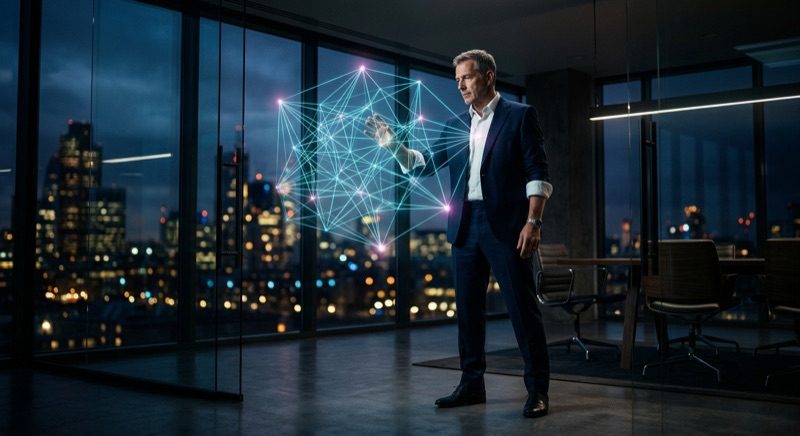

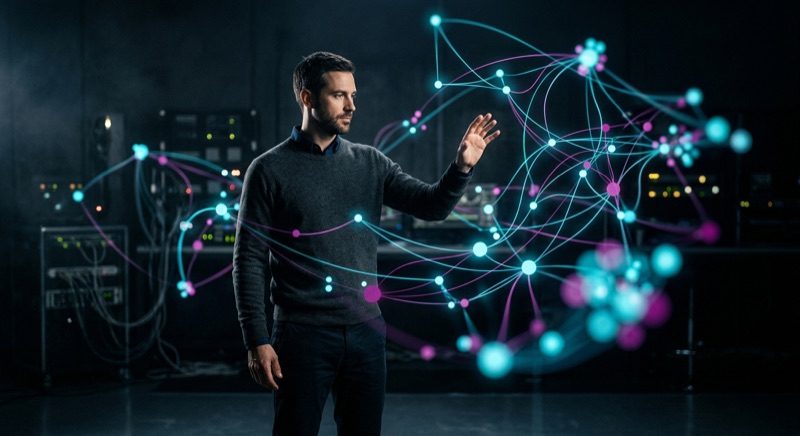












In the dynamic world of digital marketing, simply presenting a product or service is no longer enough. Consumers crave experiences, immersion, and a genuine connection with brands. This is where Augmented Reality (AR) steps in, poised to redefine how businesses interact with their audience. AR isn't just a fleeting trend; it's a powerful tool that overlays digital information onto the real world, creating interactive and memorable experiences that transcend traditional advertising. For digital marketers in Dubai and across the UAE, embracing AR isn't just about being cutting-edge; it's about unlocking new dimensions of engagement, from trying on clothes virtually to exploring properties from afar.
The Virtual Try-On Revolution:
Bridging the Digital-Physical Divide One of the most immediate and impactful applications of AR in marketing is the "virtual try-on." This technology directly addresses a major pain point in online shopping: the inability to physically interact with a product before purchase. For fashion brands, AR allows customers to virtually try on clothing, accessories, or makeup using their smartphone camera. Sephora's Virtual Artist, for instance, lets users experiment with different shades of lipstick or eyeshadow, seeing how they look on their own face in real-time. Similarly, eyewear brands allow customers to "try on" glasses to see how various frames suit their face shape.
The practical benefits for marketers are profound. Virtual try-ons significantly reduce purchase uncertainty, leading to higher conversion rates and, crucially, lower return rates. This isn't just about convenience; it's about building confidence and trust. For furniture retailers like IKEA, their "Place" app allows users to virtually place furniture items in their own homes, ensuring they fit both dimensionally and aesthetically. This transforms the shopping experience from a speculative exercise into a concrete visualization, driving more informed buying decisions and fostering a deeper connection with the product.
Immersive Exploration:
From Homes to Cars, Virtually Anywhere AR's power extends far beyond personal try-ons, enabling immersive exploration of large-scale assets. The real estate industry is a prime example. Traditional property tours are limited by geography and scheduling. With AR, prospective buyers can embark on virtual house tours, walking through a property as if they were physically there, all from the comfort of their own home. They can view unfurnished spaces, then overlay virtual furniture and décor to visualize the potential, or even see proposed renovations. This not only broadens the reach of real estate agencies but also provides a level of detail and engagement impossible with static photos or even 360-degree videos.
The automotive sector is another area where AR is making significant strides. Imagine configuring your dream car, selecting colors, wheels, and interior options, and then using AR to "place" that customized vehicle in your driveway. Porsche, for example, has an AR app that lets users explore their cars in 3D, view internal components, and even simulate driving experiences. This immersive visualization removes friction from the buying process, allowing potential customers to connect with the product on a deeper, more personal level before stepping foot in a showroom. These applications provide rich, interactive experiences that directly address customer needs and accelerate the purchase journey.
Gamification and Beyond:
Engaging Audiences in Novel Ways AR isn't limited to direct product visualization; it's a powerful tool for experiential marketing and brand storytelling. By turning everyday interactions into engaging, gamified experiences, brands can create memorable moments that foster loyalty and buzz. Think of social media filters that allow users to interact with brand mascots, wear virtual branded accessories, or participate in mini-games that unlock exclusive content or discounts. These experiences are highly shareable, leveraging user-generated content to amplify your brand's reach organically.
Companies are also using AR for outdoor advertising, transforming static billboards into interactive displays. Imagine a bus shelter ad that, when viewed through a smartphone, shows a virtual scene unfolding on the street, capturing attention in a crowded urban environment. This kind of experiential marketing creates a stronger emotional connection than traditional ads, making your brand truly stand out. For digital marketers, the ability to track interactions within AR experiences provides valuable data on user engagement, preferences, and conversion paths, enabling even more targeted and effective campaigns in the future. The possibilities are truly boundless, limited only by imagination and the sophistication of the AR integration.
When you're ready to revolutionize your marketing strategy and captivate audiences with cutting-edge experiences, partnering with an expert is essential. A leading digital marketing agency Dubai (Hello World Label Dubai) can guide you through the exciting world of Augmented Reality. For businesses seeking to make an impact across the Emirates, a top-tier digital marketing agency UAE (Hello World Label Dubai) offers comprehensive solutions that integrate AR seamlessly into your campaigns. If your vision specifically calls for immersive AR integration, an AR agency in Dubai (Hello World Label Dubai) can bring your ideas to life with precision and creativity. For specialized expertise in weaving augmented reality into your existing digital ecosystem, an AR integration company in Dubai (Hello World Label Dubai) is your strategic partner, ensuring your brand stands at the forefront of innovation.


