









































The United Arab Emirates stands at the forefront of digital transformation, with smart cities initiatives and an increasingly connected infrastructure. In this advanced landscape, the Internet of Things (IoT) is rapidly moving beyond buzzwords to become a tangible force for innovation. For businesses in the UAE, simply having a website is no longer enough; the real competitive edge lies in seamlessly integrating physical devices with their digital presence. This isn't theoretical – it's about practical applications that enhance customer experience, optimize operations, and unlock new revenue streams. This article will explore actionable insights into connecting your IoT devices to your web platforms, transforming raw data into valuable interactions.
Practical Applications of IoT-Web Integration
Integrating IoT devices with your web presence in the UAE opens a wealth of practical applications across various sectors, creating smarter, more responsive digital ecosystems.
Firstly, consider real-time monitoring and control. Imagine a smart home automation company in Dubai offering a web dashboard where clients can not only see the status of their lights, thermostats, and security cameras but also control them instantly from any browser. This direct web interface eliminates the need for a dedicated app for every function, offering unparalleled convenience. Similarly, in industrial settings, IoT integration allows businesses to monitor machinery performance, energy consumption, or environmental conditions on a web-based dashboard, enabling predictive maintenance and remote troubleshooting. The data from sensors flows directly to a user-friendly web interface, empowering quick decision-making.
Secondly, enhanced customer experiences through personalization. Retailers in the UAE can leverage IoT devices like smart beacons to track customer movement within a store (with consent), feeding this data to their e-commerce website. When the customer later browses online, the website can display personalized recommendations based on their in-store interests. Hospitality businesses can integrate smart room controls with a guest's web portal, allowing them to pre-set room temperature, lighting, or even order room service before arrival, creating a seamless and personalized stay experience. The web acts as the centralized point for accessing and acting upon this personalized data.
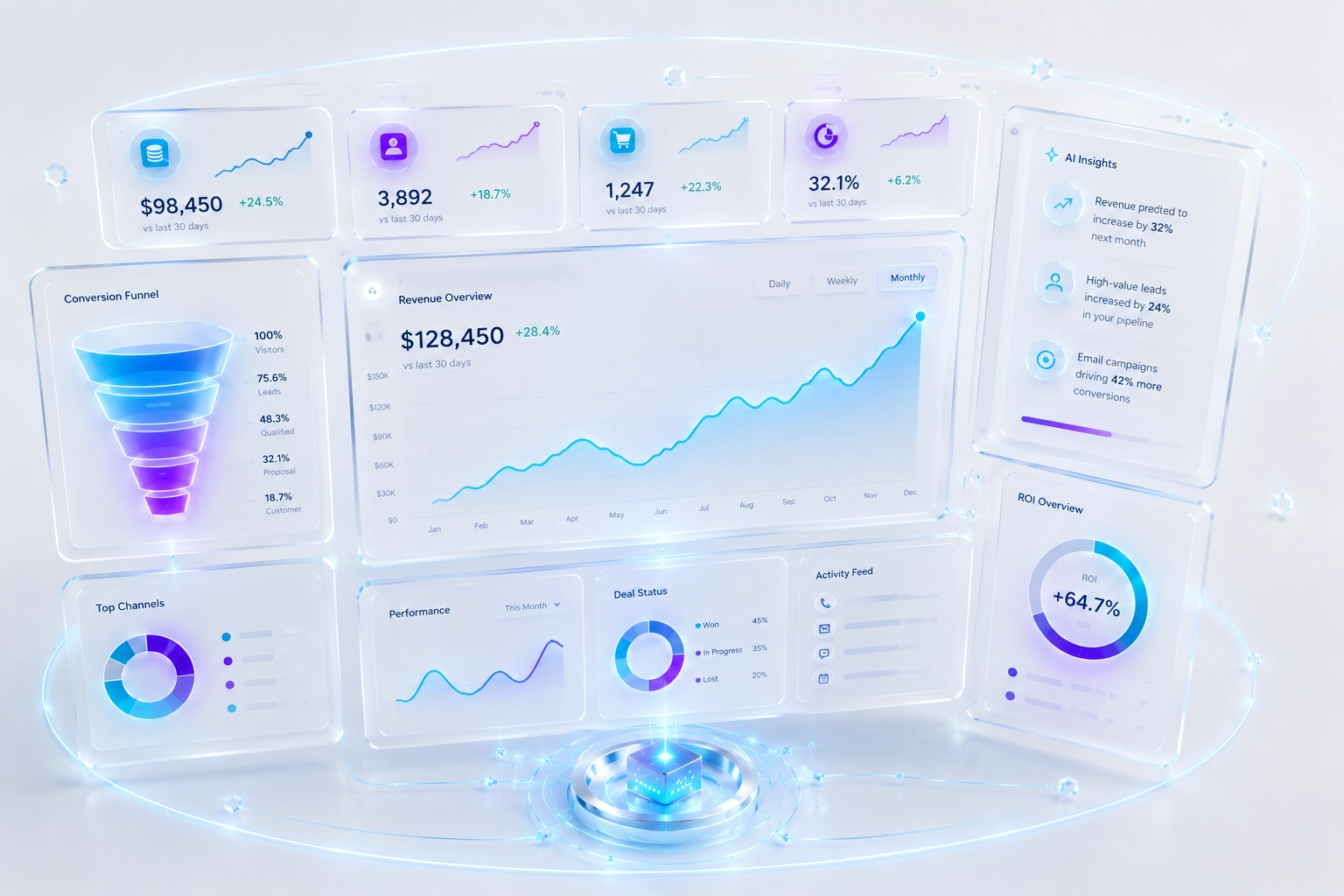
Thirdly, data visualization and analytics for smarter insights. Raw data from thousands of IoT sensors can be overwhelming. Integrating this data with web applications allows for powerful visualization tools – interactive graphs, dashboards, and custom reports. A smart city project, for instance, might integrate traffic sensors with a public web portal, showing real-time traffic flow, parking availability, or air quality indices across Dubai. This makes complex data accessible and actionable for citizens and urban planners alike. For businesses, comprehensive web dashboards can provide a holistic view of operational efficiencies, resource utilization, and customer behavior, driving informed strategic decisions. This transformation of data into usable insights is a cornerstone of modern digital presence.
Key Technologies and Implementation Steps
Successfully integrating IoT with your web presence requires a solid understanding of the underlying technologies and a methodical approach to implementation.
The cornerstone is the IoT platform and APIs (Application Programming Interfaces). IoT platforms (like AWS IoT, Microsoft Azure IoT, or Google Cloud IoT) act as the bridge, securely collecting data from your devices and making it available. APIs are then used by your web application to communicate with this platform, requesting data or sending commands to devices. For example, your web application might use a REST API to fetch temperature readings from a smart thermostat or send a command to lock a smart door. Understanding how to interact with these APIs is crucial for any developer aiming for IoT integration.
Next, consider the web development framework. Popular frameworks like React, Angular, or Vue.js for the frontend, combined with Node.js, Python (Django/Flask), or PHP (Laravel) for the backend, provide the tools to build responsive, interactive web applications that can handle real-time data streams. These frameworks offer efficient ways to display dynamic data, create interactive dashboards, and manage user interactions. Security is paramount; ensure that data transmission between devices, the IoT platform, and your web application is encrypted (e.g., using HTTPS, MQTT over SSL/TLS). Authentication mechanisms must be robust to prevent unauthorized access and control of your devices.
Finally, scalable cloud infrastructure is essential in the UAE's rapidly expanding digital environment. As your number of IoT devices grows and data volume increases, your web infrastructure must be able to handle the load without compromising performance. Cloud providers offer auto-scaling capabilities, serverless functions, and managed databases that can seamlessly grow with your IoT ecosystem. Regular testing, both for functionality and security, throughout the development lifecycle is non-negotiable. Collaborating with an experienced Mobile App Development Agency In Dubai or an agency specializing in web integration can streamline this complex process.
Challenges and Best Practices in the UAE Context
While the potential of IoT integration with the web is immense, there are practical challenges to navigate, especially within the specific context of the UAE. Adopting best practices can mitigate these and ensure a successful deployment.
One significant challenge is data privacy and compliance. The UAE has robust data protection regulations. Businesses must ensure that the data collected by IoT devices and displayed on web platforms adheres to these laws, particularly concerning personal data. Implement strong data anonymization techniques where possible, obtain clear user consent, and have transparent data usage policies. Regularly audit your systems to ensure compliance and build user trust. A proactive approach to data governance is key.
Another challenge is interoperability between diverse devices. The IoT ecosystem is fragmented, with devices from various manufacturers using different communication protocols. Your web integration strategy must account for this. Utilizing open standards, middleware, or specialized IoT platforms that offer broad device compatibility can simplify the process. Future-proofing your system by designing for flexibility and modularity will prevent vendor lock-in and allow for easier expansion as new devices emerge.
Network reliability and latency are also crucial, particularly for real-time applications. While the UAE boasts excellent network infrastructure, ensuring consistent connectivity for widely distributed IoT devices can still be a hurdle. Implement robust error handling, retry mechanisms, and local processing (edge computing) where immediate responses are critical, reducing reliance on constant cloud connectivity. Prioritize optimized data transfer to minimize latency for critical interactions between your web interface and devices.
Finally, user adoption and experience. Even the most technologically advanced IoT-web integration will fail if users find it complex or unhelpful. Focus on building intuitive, user-friendly web interfaces. Conduct extensive user testing to gather feedback and refine the experience. Provide clear instructions and support. The goal is to make the technology disappear, allowing users to effortlessly interact with their connected world. Engaging a skilled Mobile App Development Agency In Dubai or a Mobile App Development Agency In UAE with expertise in both IoT and intuitive user interfaces can provide invaluable support in navigating these complexities and delivering truly impactful solutions.
Transforming your digital presence with connected devices is a strategic move in the UAE's evolving market. For businesses ready to lead the way in IoT integration and deliver unparalleled digital experiences, partnering with a leading Mobile App Development Agency In Dubai is essential. Elevate your brand with cutting-edge solutions from a top-tier Mobile App Development Agency In UAE, specializing in innovative IoT and web integration strategies.


