



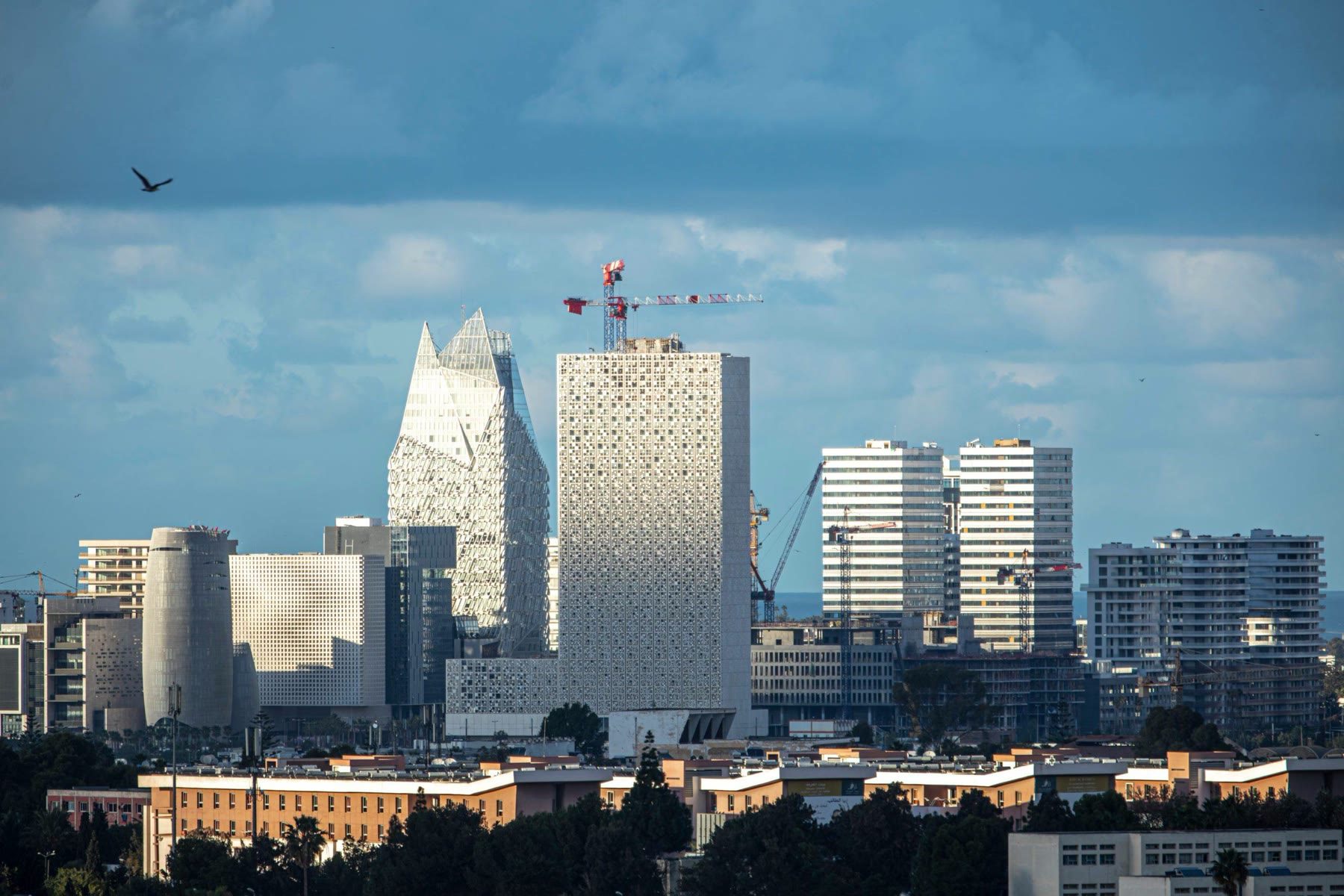
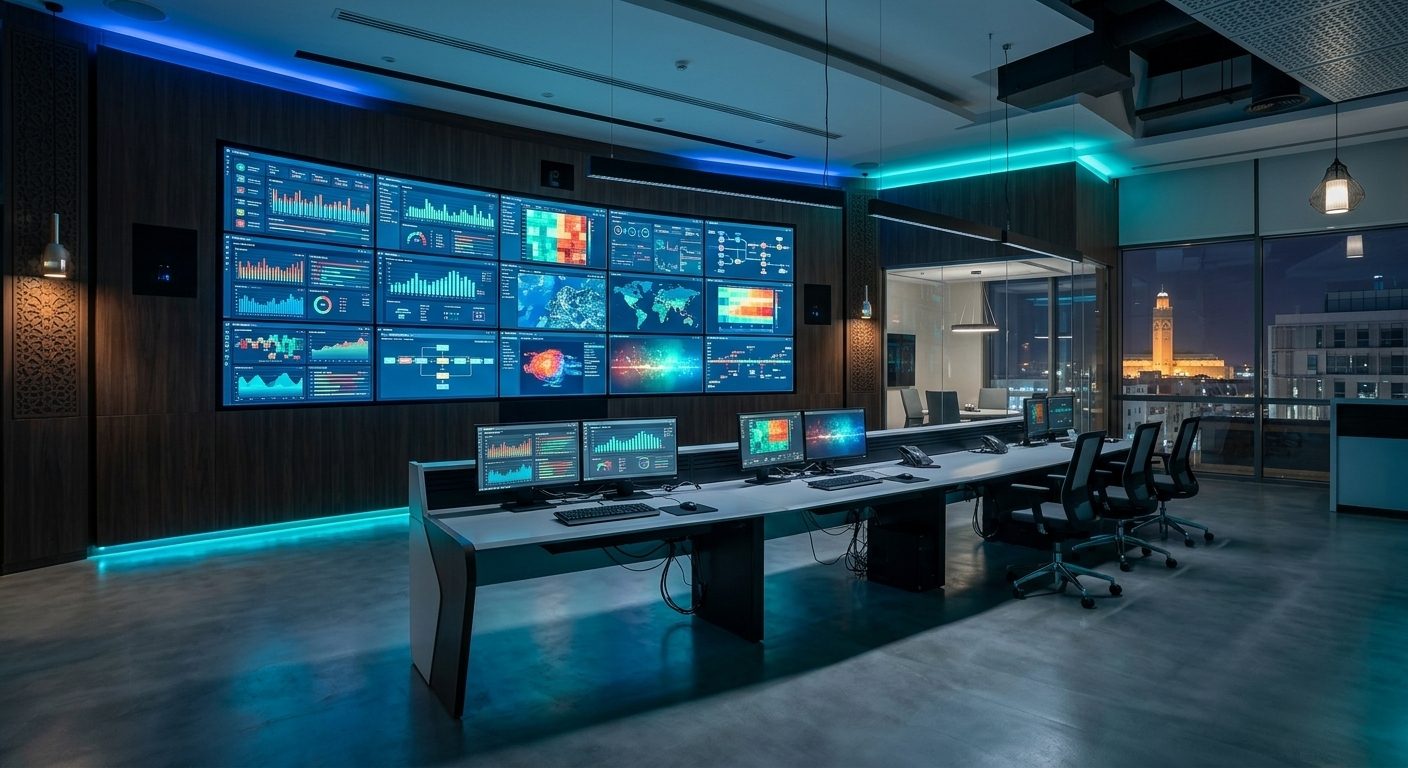










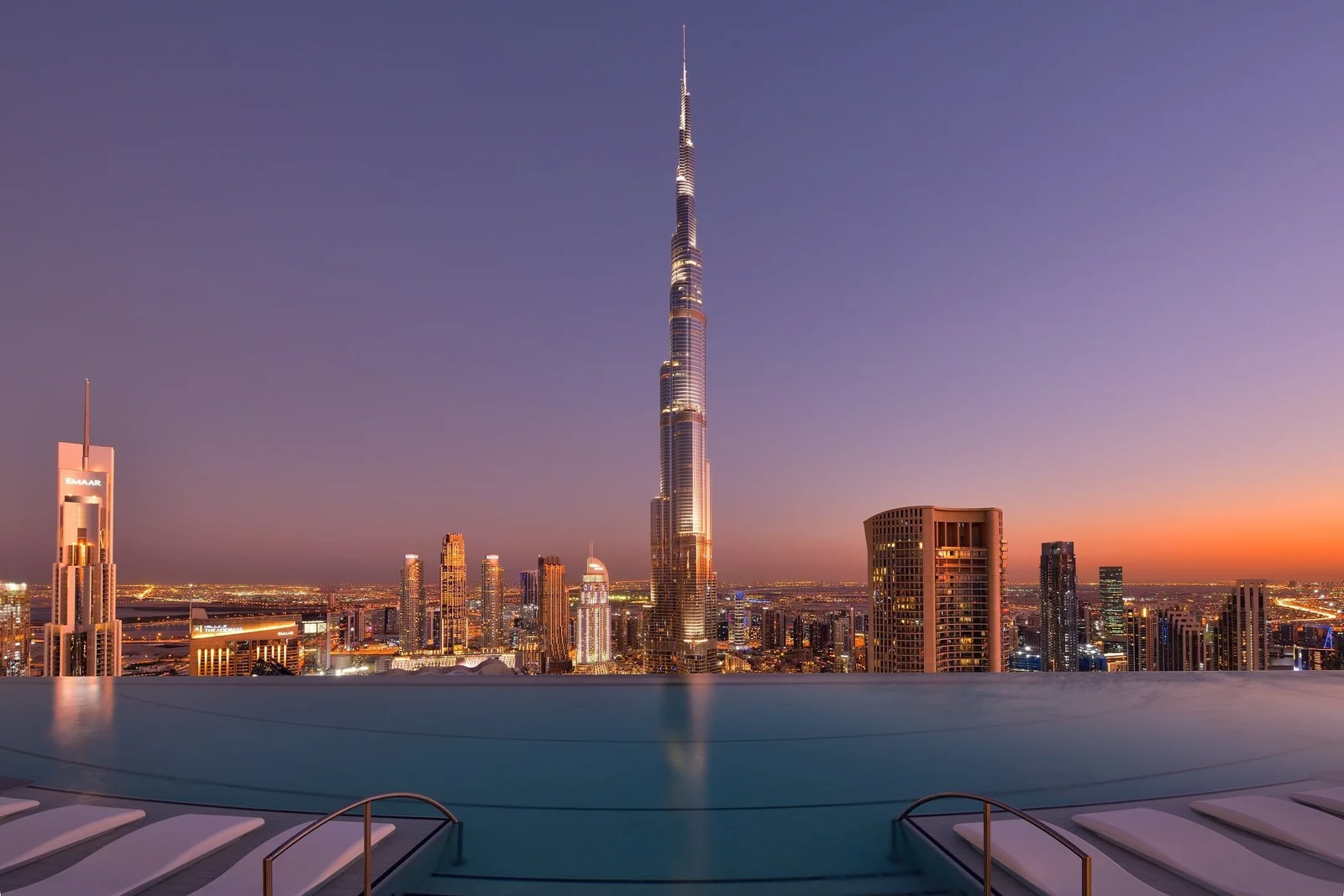
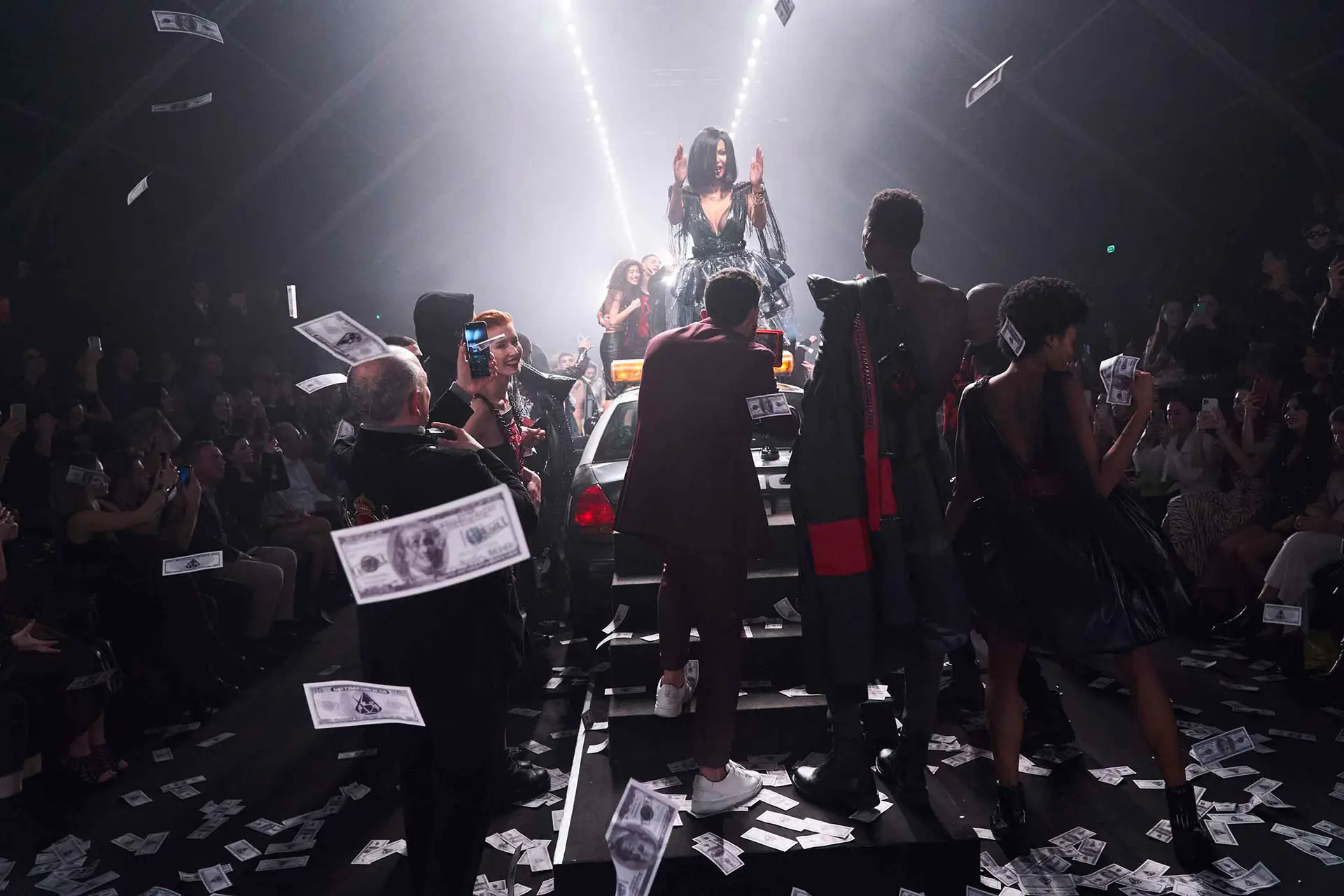


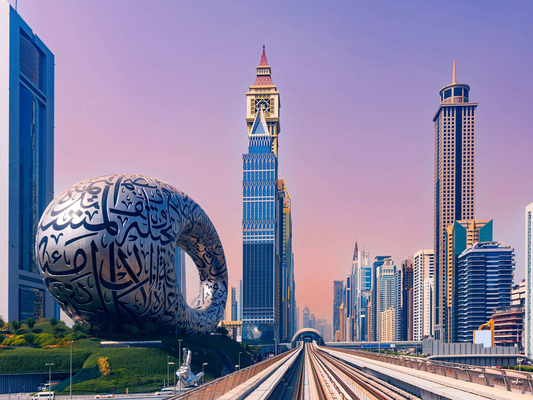


The global luxury scene is constantly evolving, and nowhere is that transformation more palpable than in the UAE. At the heart of this excitement, the Dubai International Luxury Conference 2026 is shaping up to be the essential crossroads where the future of opulence will not just be discussed, but redefined. This prestigious event promises to bring together the industry's brightest minds, from visionary designers to cutting-edge technologists, from influential economists to discerning consumers, all united by a shared quest: to understand and shape the luxury experience of tomorrow. Dubai, with its unmatched dynamism and boundless ambition, naturally positions itself as the epicenter of this reflection. The conference won't just be a showcase of the latest trends; it will act as a catalyst for deep discussions on sustainability, extreme personalization, technological integration, and the evolving expectations of ultra-high-net-worth clientele. Let's prepare to dive into a world where refinement meets innovation, where tradition converses with modernity, and where every detail is designed to transcend the ordinary and elevate the human experience to unparalleled heights in this iconic region.
The Foundations of Luxury at the Dubai International Luxury Conference 2026
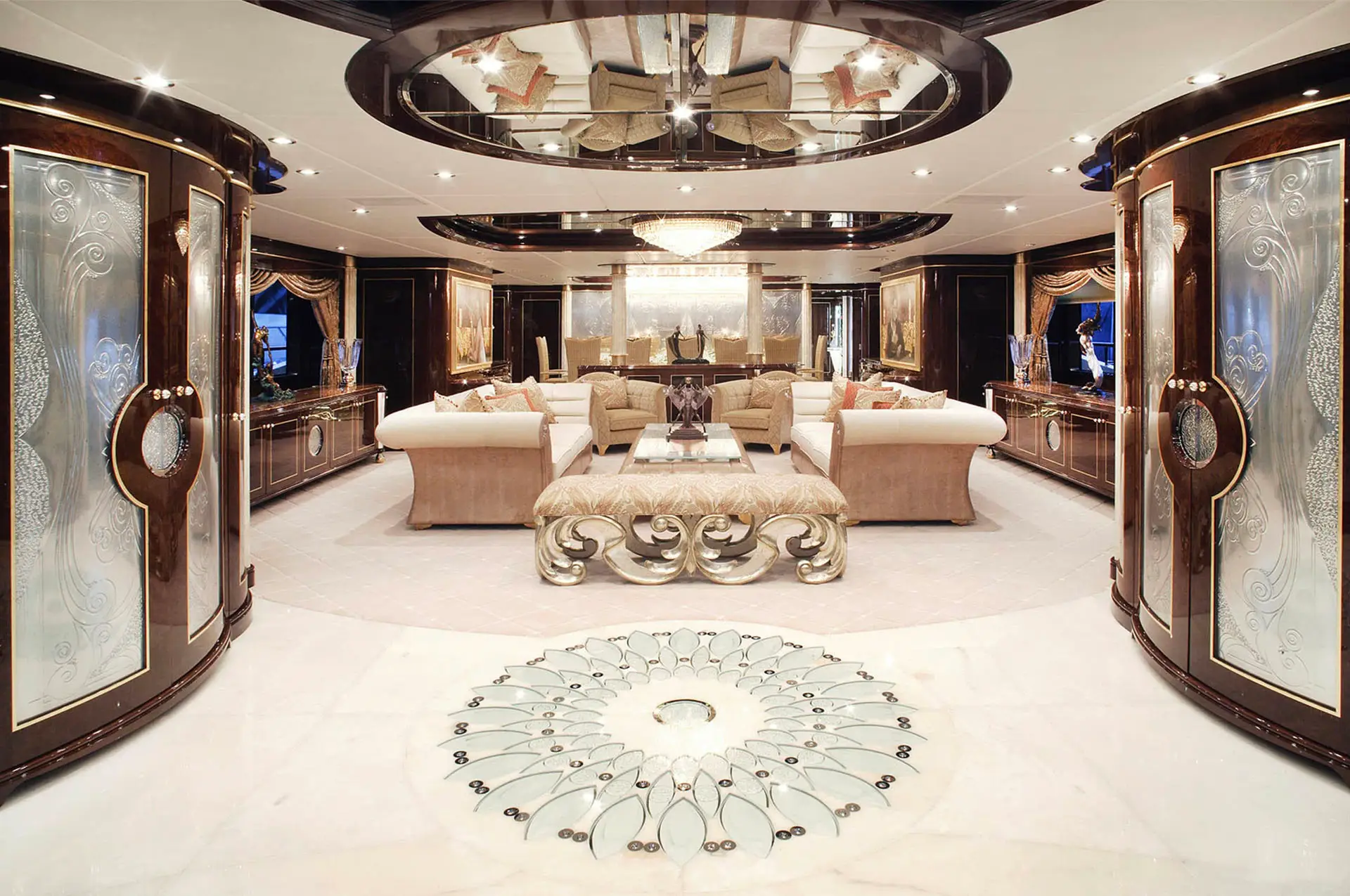
Luxury, in its essence, has always been about rarity, exclusivity, and excellence. In the UAE, however, these foundations take on an added dimension, shaped by a rich history of trade, innovation, and a bold vision for the future. Dubai, in particular, has become synonymous with luxury, not just through its gleaming skyscrapers and sprawling malls, but through a culture that values impeccable hospitality and flawless service. The Dubai International Luxury Conference 2026 will build on these historic pillars while exploring how to redefine them for the digital age. Access to unique products and services, exceptional craftsmanship, and the creation of memorable experiences remain at the heart of the value proposition. However, the conference will spotlight the growing importance of authenticity, traceability, and ethical commitment. Luxury brands must now not only sell a product, but tell a meaningful story, forging a deep emotional connection with their clientele. The key principles of this new luxury include hyper-personalization, the seamless integration of technology to enrich the experience without distorting it, and a heightened awareness of social and environmental impact. Participants will discuss how the region's cultural richness can enrich this modern definition of luxury, offering a unique and deeply rooted perspective. The goal is to ensure that luxury continues to represent the pinnacle of excellence while responding to the values and aspirations of a new generation of discerning, conscientious consumers.
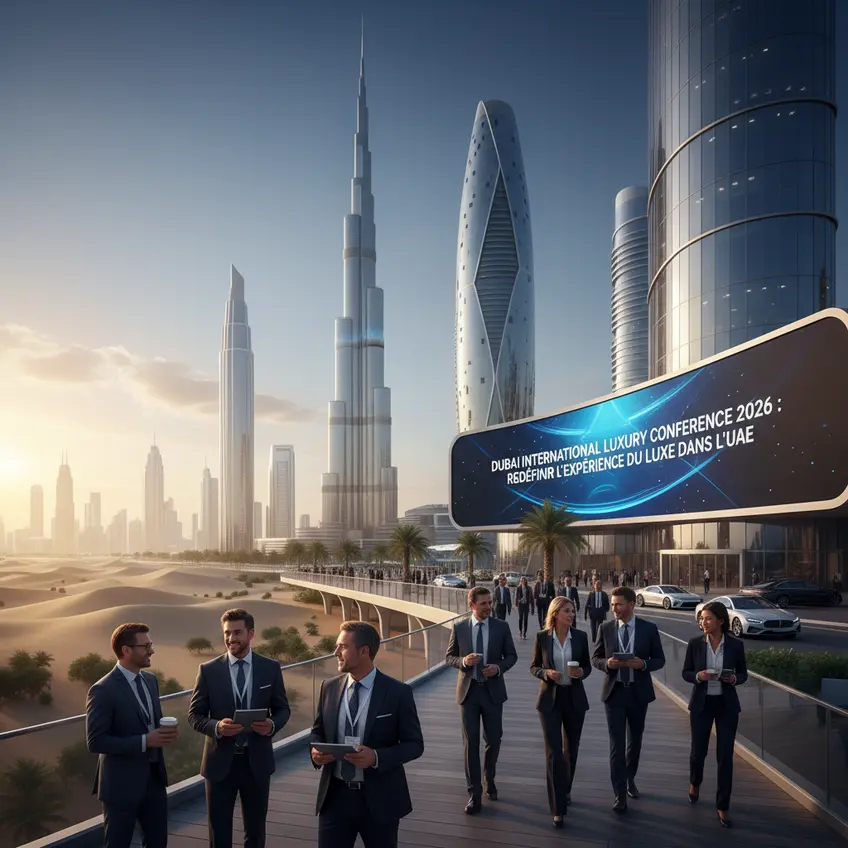
Emerging Trends and Key Statistics (2024/2025) for Luxury in the UAE
The luxury industry in the UAE is a living laboratory of global trends, often ahead of its time. 2024 and 2025 have confirmed an acceleration of several key phenomena that will be at the center of debate at the Dubai International Luxury Conference 2026. Digitalization, of course, is no longer optional but a necessity. Brands are investing heavily in immersive online experiences, from virtual showrooms to AI-powered personalized consultations. The luxury resale market, particularly for watches, handbags, and jewelry, is growing exponentially, fueled by demand for sustainability and exclusivity. Consumers are seeking unique, timeless pieces, challenging the fast-consumption model. Personalization is reaching unprecedented heights, with bespoke services that go beyond simple engraving, incorporating fully customizable experiences tailored to the client's wishes. Recent data shows a 15% increase in spending on experiential luxury goods compared to material goods, a sign that memories and precious moments now outweigh pure possession. Sustainability has moved from a mere marketing argument to an essential purchasing criterion. 60% of luxury consumers in the UAE say they're willing to pay more for environmentally friendly and socially responsible products. The influence of younger generations, "Gen Z" and "Millennials," is also significant; they represent a growing share of the clientele and are pushing new values such as authenticity and transparency. These dynamics are transforming how luxury is perceived, purchased, and experienced, pushing brands to constantly innovate to stay relevant and desirable. The region continues to attract massive investment in luxury infrastructure, from seven-star hotels to world-renowned art galleries, cementing its position as a global hub of refinement and innovation.
The Rise of Experiential Luxury and the Quest for Meaning
Luxury consumers in the UAE are increasingly seeking experiences rather than mere material goods. This trend intensified in 2024-2025, with rising demand for bespoke travel, exclusive gastronomic dinners, private cultural events, and stays at exceptional resorts. The idea is to create lasting memories and unique moments, often shared. Brands are responding by developing offerings that go well beyond their flagship products, offering private clubs, high-end concierge services, and cultural immersions. The value of luxury is now measured by the intensity of the emotion and the depth of the experience lived, reflecting a growing desire for meaning and personal fulfillment. Statistics show that spending on personalized luxury travel has jumped 20% over the past two years, underscoring this shift. This transformation is pushing brands to rethink their offering and become creators of complete experiences.
The Digital Revolution and AI Integration in the Customer Journey
Digital transformation has upended every sector, and luxury in the UAE is no exception. 2025 saw deeper integration of artificial intelligence (AI) and augmented reality (AR) to enrich the customer journey. From virtual try-ons of clothing and accessories to AI-based personal shopping assistants that anticipate customer needs, technology has become an essential tool. Brands are investing in website creation in Dubai with advanced features to deliver a seamless, exclusive online experience. This includes ultra-secure e-commerce platforms, intuitive mobile apps, and sophisticated customer relationship management (CRM) systems. This evolution not only improves operational efficiency but also delivers unprecedented personalization, making every interaction unique and memorable. Mobile app development in Dubai is becoming a key lever for staying constantly connected with clientele.
Comparative Analysis of Digital Luxury Strategies
The digital age has forced luxury brands to reassess and transform their strategies to capture the attention of a connected, demanding clientele in the UAE. The Dubai International Luxury Conference 2026 will spotlight the most effective approaches. It's crucial to compare the different paths brands are taking to maintain their exclusivity and prestige while adapting to the speed of the digital world. Some favor an integrated omnichannel approach, where the online and physical experience complement each other perfectly. Others focus on hyper-targeted influencer marketing campaigns, harnessing the power of personalities to reach specific niches. Creating rich, immersive narrative content, often via streaming platforms or virtual reality experiences, is also a rising strategy. The key is finding the balance between preserving brand heritage and adopting modern tools and platforms. Brands must be agile, constantly innovate, and not hesitate to experiment with new technologies such as Web3, NFTs for limited editions, or the metaverse for exclusive virtual interactions. A website creation agency in Dubai & UAE is often called on to develop these complex platforms, guaranteeing refined aesthetics and flawless functionality. The goal isn't just to sell, but to build a community, engage, and create a lasting affinity with the brand.
Comparison Table: Digital Luxury Platforms
Practical Guide: Optimizing the Luxury Customer Experience in the UAE
Optimizing the customer experience in the luxury sector in the UAE is a holistic undertaking that goes well beyond the simple transaction. It requires a deep understanding of the high-end consumer's expectations and the ability to anticipate their desires. The Dubai International Luxury Conference 2026 will emphasize that every touchpoint, whether physical or digital, must reflect the brand's excellence and exclusivity. It's about creating a seamless, enriching, and memorable customer journey, from the first interaction through to after-sales service. This requires meticulous attention to detail, flawless staff training, and the adoption of cutting-edge technology to personalize every interaction. Brands must invest in knowing their customers, using data to refine their offerings and communications. Luxury is also a matter of discretion and respect for privacy, an aspect often underestimated in the digital world. A digital marketing consultant in Dubai can help navigate these complexities, ensuring digital strategies respect the ethics of luxury. The goal is to turn every customer into a loyal ambassador, deeply attached to the brand's values and identity. A proactive, personalized approach is the key to standing out in a market as competitive as the UAE's.
Step 1: Map the Customer Journey and Identify Pain Points
The first step is to understand every phase of the luxury customer journey, from initial discovery to loyalty. Analyze online, in-store, and customer service interactions. Identify key moments and potential "pain points" where the experience could be improved. A web agency in Dubai can help audit the digital experience and suggest technical and ergonomic improvements for an optimal website in Dubai.
Step 2: Advanced Personalization and Proactive Service
Use customer data to deliver personalization that goes beyond a first name. Anticipate needs and offer proactive services: birthday reminders with exclusive offers, product suggestions based on purchase history, priority access to collections. Luxury is also a service that gets ahead of expectations, making every interaction exceptional. Website development in Dubai must integrate high-performing CRM tools.
Step 3: Integrate Technology for Immersive Experiences
Leverage augmented reality for virtual product try-ons, virtual reality for exclusive showroom tours, or even the metaverse for launch events. Technology must enrich the experience without ever making it impersonal. Make sure your website in Dubai and mobile apps offer flawless smoothness and aesthetics, reflecting your brand's excellence. A good web agency in Dubai & UAE will know how to design these integrations.
Debunking Myths and Avoiding Mistakes in the UAE Luxury Industry
The luxury industry, particularly in a region as dynamic and fast-growing as the UAE, is often subject to misconceptions and strategic mistakes that can cost brands dearly. The Dubai International Luxury Conference 2026 will be an opportunity to debunk these myths and highlight the pitfalls to avoid. Many believe that luxury is self-sufficient, that its inherent prestige shields it from market shifts. This is a fundamental mistake. The modern luxury consumer is more informed, more demanding, and less swayed by name recognition alone. Ignoring the evolution of values like sustainability or authenticity is another common mistake. A brand that fails to align with these new expectations risks losing its relevance. Likewise, poorly executed digitalization, one that distorts exclusivity or makes the experience impersonal, can be disastrous. The challenge is finding the right balance between technological innovation and maintaining a human, personal touch. Communication is also crucial; luxury marketing cannot afford to be generic or lack finesse. It must be highly targeted, subtle, and resonate with the clientele's deep aspirations. Finally, underestimating the importance of local culture and the specifics of the UAE market is a major mistake. A global strategy must always be adapted and localized to have maximum impact. Success in this sector requires constant vigilance, adaptability, and a nuanced understanding of what makes an experience truly luxurious and relevant for this exceptional clientele. A good digital marketing consultant in Dubai can help avoid these pitfalls.
Myth 1: Luxury Doesn't Need to Go Digital to Succeed
This is a dangerous misconception. In today's era, not having a solid digital presence is suicidal for a luxury brand. Consumers, even the wealthiest, seek out information, compare, and make purchases online. The absence of a website in Dubai or a robust digital strategy is perceived as a lack of modernity, even credibility. Digital should enrich the experience, not replace it.
Myth 2: Exclusivity Is at Odds With Mass Personalization
Many believe that personalizing at scale dilutes exclusivity. On the contrary, modern luxury demands hyper-personalization. It's not about mass production, but about offering unique deals tailored to each customer's tastes, often powered by data and AI. Successful personal branding in Dubai & UAE for a brand lies in its ability to make every customer feel unique.
Myth 3: Digital Customer Service Dehumanizes the Experience
A poorly designed digital customer service can indeed dehumanize. However, when well integrated, with smart chatbots for basic queries and expert advisors available for complex questions, it improves the experience. The goal is to offer fast, effective assistance, letting the customer choose their channel, while maintaining service excellence, a must for any web agency in Dubai.
Advanced Strategies and Best Practices for the Luxury Sector
To thrive in the ultra-competitive luxury landscape of the UAE, brands need to adopt strategies that go beyond traditional approaches. The Dubai International Luxury Conference 2026 will highlight the importance of constant innovation and proactive adaptation. One best practice is to invest heavily in research and development of sustainable materials and ethical production processes. Consumers are increasingly aware of the environmental and social impact of their purchases, and luxury brands leading the way in this area will gain a significant competitive advantage. Another key strategy is to cultivate a hyper-personalized customer relationship, using data analysis to anticipate individual needs and desires. This goes beyond simple product recommendations; it's about creating bespoke experiences, from invitations to exclusive events to personalized concierge services. Brand storytelling is also essential. Every product and service must tell a captivating story, highlighting the brand's craftsmanship, heritage, and values. Mobile app development in Dubai can serve as a platform for these immersive narratives. Technology integration should always aim to enrich the experience without distorting it, for example by offering virtual product try-ons or exclusive access to digital collections. Finally, collaborating with local artists, designers, or influencers in the UAE can offer a fresh perspective and cultural relevance, which is crucial for success in this unique region. These partners must be chosen carefully to ensure alignment with the brand's values.
Cultivating Authenticity and Transparency
In a world where information is everywhere, authenticity and transparency have become valuable currency. Luxury brands must communicate openly about their manufacturing processes, the origin of their materials, and their ethical commitments. This builds trust and creates a deeper connection with consumers. An authentic narrative is often more powerful than flashy advertising, a strategy many brands in the UAE are adopting to differentiate themselves.
Frictionless Omnichannel Experience
The luxury consumer expects a smooth, consistent experience whether interacting with the brand online, in-store, or via social media. An effective omnichannel strategy eliminates friction between these different touchpoints. This means customer information is shared, preferences are taken into account everywhere, and switching from one channel to another is seamless. This requires robust website development in Dubai and flawless system integration.
Investing in "Quiet Luxury" and Discretion
While some brands continue to showcase ostentatious luxury, a growing trend toward "Quiet Luxury," or discreet luxury, is emerging. This involves products and services of exceptional quality, but without flashy logos or excessive outward signs. The focus is on craftsmanship, materials, timeless design, and intrinsic value. This approach resonates with a sophisticated clientele seeking understated elegance and true exclusivity. Personal branding in Dubai & UAE is also moving toward this notion of subtle sophistication.
Inspiring Case Studies: Success and Innovation in UAE Luxury
The UAE is the stage for numerous innovations redefining luxury standards worldwide. The Dubai International Luxury Conference 2026 will spotlight concrete examples of brands and initiatives that have excelled by adapting to the specifics of the local market while embracing global trends. One notable case study could be a fine jewelry house that launched an exclusive collection inspired by the region's cultural heritage, incorporating ethically sourced gemstones and using blockchain to guarantee traceability. This approach not only attracted a wealthy local clientele, but also captivated an international audience concerned with the origin and authenticity of luxury products. Another example could be a luxury hotel in Dubai that integrated cutting-edge technology to offer deep customer experience personalization, from multilingual virtual concierges available 24/7 via a dedicated app, to suites whose ambiance (lighting, music, temperature) can be fully adjusted via touch interfaces. This level of ultra-personalized service, combined with sumptuous interior design and breathtaking views, has positioned the establishment as a benchmark in luxury hospitality. The successful integration of AI to optimize guests' culinary preferences or the organization of bespoke cultural experiences, such as private contemporary art tours with exhibition curators, demonstrates how brands in the UAE are pushing the boundaries of exclusivity. These examples illustrate that success in luxury is no longer limited to product quality, but to the ability to create an ecosystem of memorable, ethical, and hyper-personalized experiences, often supported by cutting-edge digital infrastructure and a keen understanding of the expectations of a global, demanding clientele.
The Future of Luxury: Innovations and Perspectives for the Next Decade in the UAE
The horizon of luxury in the UAE is charted by bold innovations and constantly evolving perspectives, which will be at the heart of the projections at the Dubai International Luxury Conference 2026. The next decade will see the emergence of an even more immersive, ethical, and technologically advanced luxury. The metaverse, far from being a mere gadget, will become an essential platform for brands wishing to offer exclusive virtual experiences, from digital fashion shows to private sales in personalized 3D environments. Augmented reality will integrate more deeply into everyday life, enabling even more realistic virtual try-ons and enriched interactions with products. Sustainability will stop being an option and become an unconditional standard. Innovative materials, low-environmental-impact manufacturing processes, and full traceability via blockchain will be essential selection criteria for the luxury consumer. Hyper-personalization will be taken to a new level thanks to artificial intelligence, capable of anticipating customers' desires before they even express them, offering recommendations and bespoke services of unmatched precision. The importance of personal branding in Dubai & UAE for brands and influential figures will only grow, as each seeks to build a strong, authentic identity within this digital ecosystem. Luxury will also increasingly focus on holistic health and well-being, with offerings ranging from exclusive retreats to personalized health technologies. Partnerships between luxury brands and tech companies will multiply, creating unexpected synergies and disruptive innovations. The UAE, with its forward-thinking vision and massive investment in future infrastructure, is ideally positioned to spearhead this revolution, offering fertile ground for experimenting with and adopting these new frontiers of luxury. The next decade promises to radically transform our conception of opulence, making it more connected, more conscious, and more meaningful.
Frequently Asked Questions (FAQ) on the Luxury Experience in the UAE
How will the Dubai International Luxury Conference 2026 influence the market?
The conference will act as a catalyst for innovation, showcasing the latest trends and technologies. It will facilitate collaboration between industry leaders, shaping the future strategies of luxury brands and influencing investment in the UAE.
What are luxury consumers in the UAE expecting in 2026?
Consumers expect hyper-personalization, immersive experiences, and strong brand ethics. Sustainability, transparency, and authenticity are increasingly important criteria in their purchasing decisions in the luxury sector.
What role does technology play in the evolution of the luxury experience?
Technology is crucial for personalization (AI), immersive experiences (AR/VR, metaverse), and traceability (blockchain). It enriches the customer journey, improves efficiency, and delivers unprecedented service.
How can luxury brands integrate sustainability?
Brands must adopt ethical materials, environmentally friendly manufacturing processes, and a transparent supply chain. They must also communicate actively about their commitments to meet consumer expectations.
Is "Quiet Luxury" a lasting trend in the UAE?
Yes, "Quiet Luxury" is gaining ground. It attracts a sophisticated clientele seeking discreet elegance, superior quality, and true exclusivity without ostentation. This trend reflects a shift toward more conscious, more refined luxury consumption.
What are the major challenges for luxury brands in the years ahead?
Challenges include quickly adapting to new technologies, managing rising expectations around sustainability, personalizing at scale while maintaining exclusivity, and retaining an increasingly fickle and demanding clientele.
Essential Checklist for Luxury Brands in the UAE
- Full Audit of the Digital Customer Experience: Assess every online touchpoint, from your website in Dubai to social media, to ensure flawless smoothness and consistency.
- Detailed Hyper-Personalization Strategy: Develop approaches to anticipate and satisfy each customer's individual desires through data analysis and AI.
- Integration of Immersive Technologies: Explore and implement AR, VR, and the metaverse to create unique, memorable experiences for your clientele.
- Strong Commitment to Sustainability: Put in place and clearly communicate your ethical initiatives, from production to supply chain, for full transparency.
- Ongoing Staff Training: Make sure your team is up to date on the latest luxury trends, technologies, and excellence in customer service practices.
- Collaboration With Local Experts: Work with consultants or a digital marketing consultant in Dubai to understand cultural nuances and the specifics of the UAE market.


