













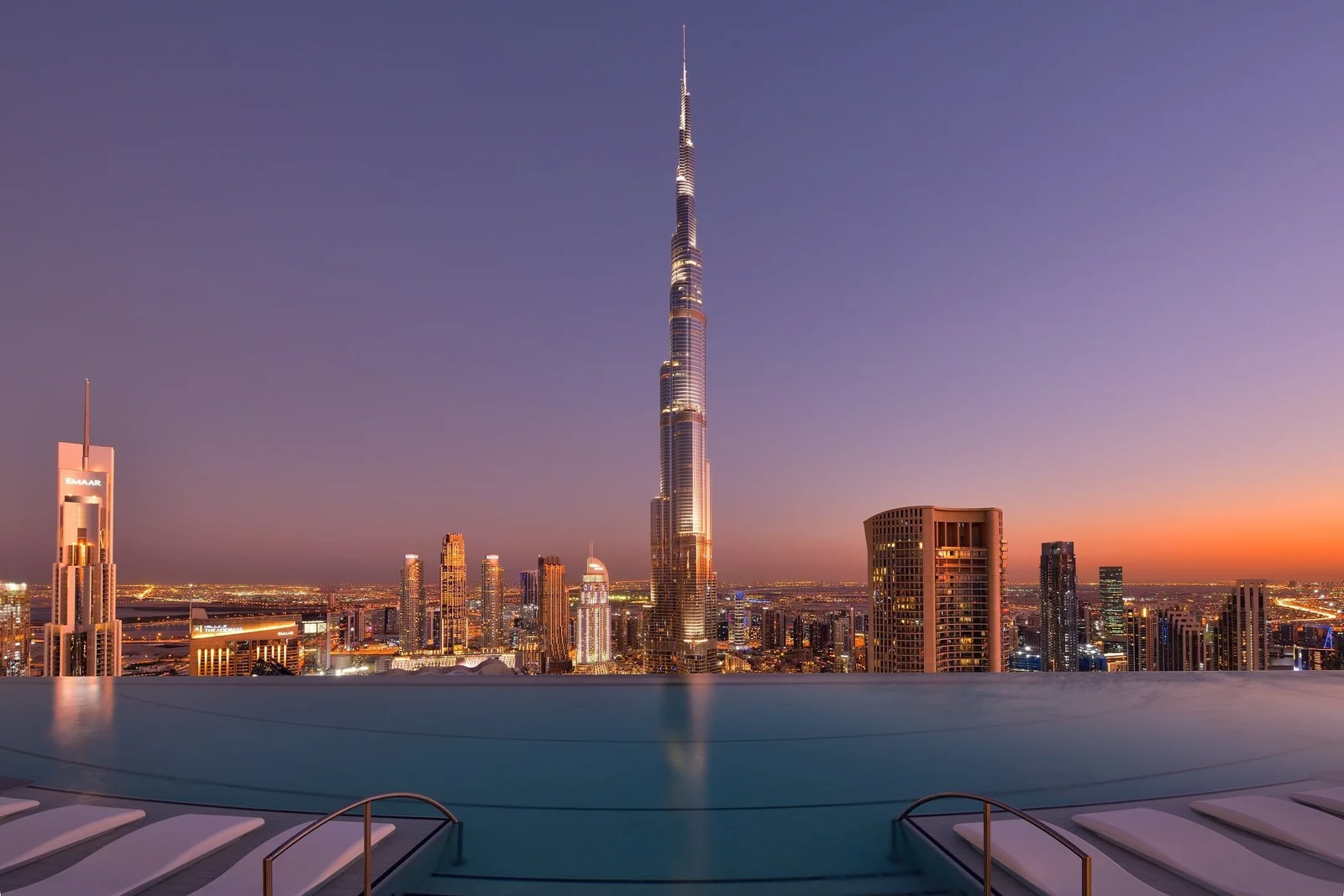
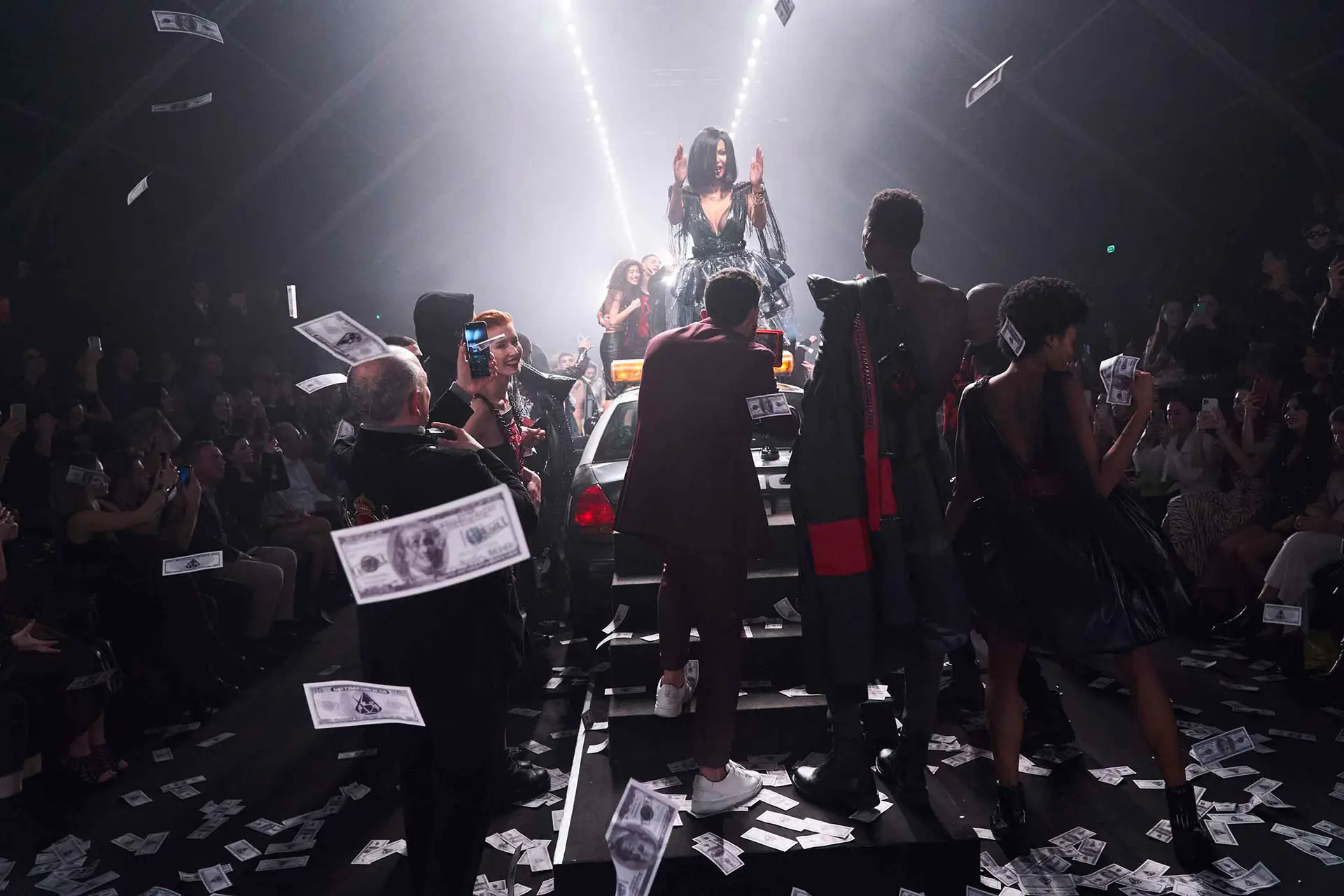





Dubai Design Week, a flagship event on the global design and innovation calendar, is gearing up for a 2026 edition set to redefine the creative and urban paradigms of the UAE. Far more than a simple exhibition, this iconic week is a melting pot of ideas, a forum for the brightest minds in design, architecture, and technology. It serves as a catalyst for deep discussions on how design can solve contemporary challenges, from environmental sustainability to improving quality of life in constantly evolving urban environments. The 2026 edition, in particular, is eagerly anticipated as a platform where bold visions turn into concrete projects, shaping the future identity of Dubai and, by extension, the entire UAE, as a global hub of innovation and creativity. This event is crucial for every player in the field, from young designers to established companies, eager to soak up emerging trends and contribute to a future designed with intelligence and conscience.
Foundations: The UAE's Creative Ecosystem and the Essence of Dubai Design Week
Dubai Design Week is rooted in a rich, dynamic context: that of a nation, the UAE, that has positioned itself as a visionary leader in promoting innovation, culture, and creative industries. Since its inception, this event has evolved to become an essential platform, not only for showcasing forward-thinking design work, but also for driving dialogue, education, and international collaboration. Its success rests on solid infrastructure and strong political will to make Dubai a global design crossroads. The core principles of Dubai Design Week include promoting local and international talent, exploring new methodologies and materials, and spotlighting design-driven solutions to global challenges. It's a celebration of creativity in all its forms, a place where art, function, and engineering meet to sketch the outlines of tomorrow. The goal is clear: to demonstrate that design isn't just aesthetics, but a driving force capable of transforming cities and lives. Professionals in website creation in Dubai also find here a source of inspiration for incorporating the latest aesthetic and functional trends into their digital projects.
Current Trends & Recent Statistics (2024/2025): Design in Full Transformation in the UAE
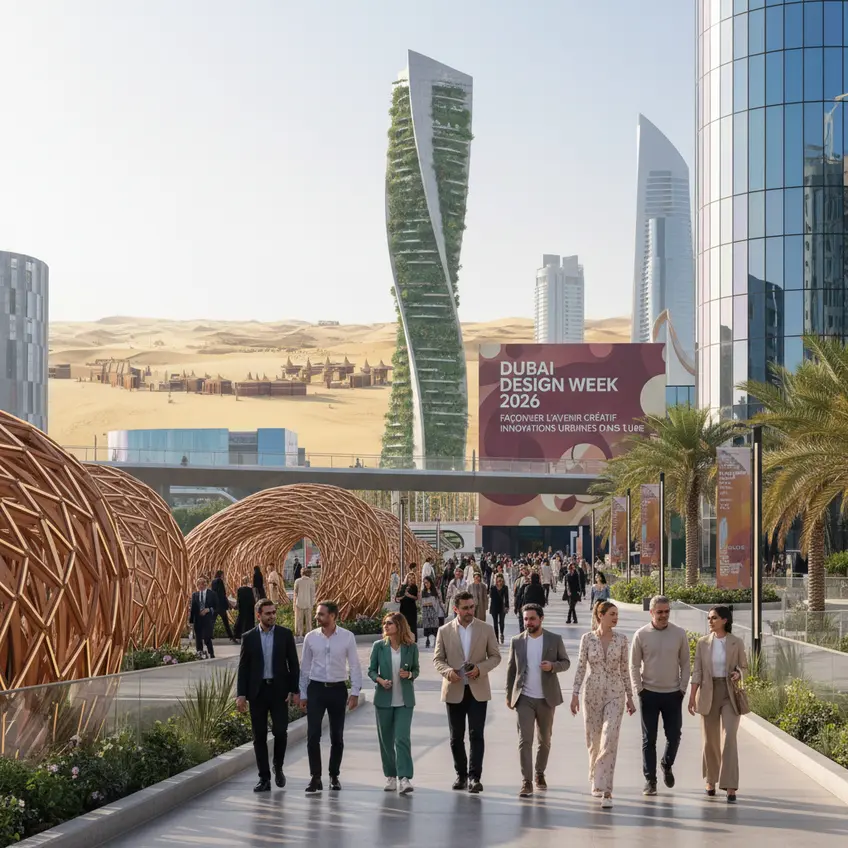
The design and innovation ecosystem in the UAE is experiencing exponential growth, driven by massive investment in infrastructure, technology, and education. 2024 and 2025 have seen the emergence of strong trends, notably the integration of parametric and generative design into architecture, widespread adoption of sustainable, smart materials, and a growing emphasis on human-centered design and user experience. Recent statistics show a significant increase in the number of design studios and innovative companies setting up in Dubai, consolidating its position as a creative hub. For example, the interior design and architecture market in the GCC, of which the UAE is a major player, is projected to exceed USD 18 billion by 2026, with Dubai leading investment. Demand for design solutions incorporating AI and augmented reality has also climbed, reflecting a desire to embrace cutting-edge technology to create more interactive, personalized spaces. These figures aren't just indicators; they reflect a deep momentum transforming the UAE's urban and creative landscape, one that Dubai Design Week 2026 is set to celebrate and amplify. The growing interest in website development in Dubai also aligns with this trend, as companies seek to reflect these innovations in their digital presence.
The Rise of Sustainable and Circular Design
Sustainability is no longer just a buzzword, but a fundamental imperative in the field of design in the UAE. Designers are increasingly turning to recycled materials, low-carbon-footprint manufacturing processes, and modular designs that favor reuse and recycling. The focus is on the circular economy, where products are designed to have a long lifespan, be easily repairable, and ultimately be reintegrated into a new production cycle. This approach is reflected in architecture, furniture, and even service design, with heightened awareness of the environmental impact of every design decision. Flagship projects incorporate smart water management systems, green facades, and renewable energy solutions. This shift is particularly visible in Dubai's new construction, where LEED and Estidama certifications are becoming the norm, and where green building innovations are actively sought out and implemented. A website creation agency in Dubai & UAE must today incorporate eco-responsible design principles into its interfaces to stay relevant.
Technological Innovation and Immersive Experiences
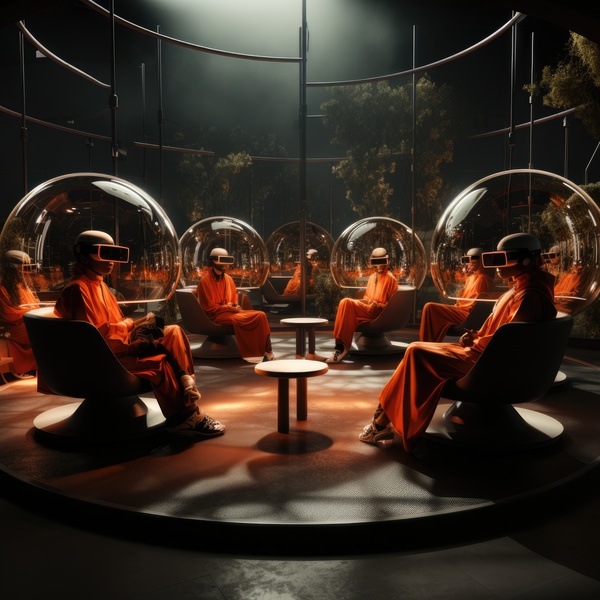
The fusion of design and technology is redefining the user experience in the UAE. Augmented reality (AR) and virtual reality (VR) are transforming how spaces are designed, visualized, and experienced. From virtual showrooms to architectural space simulations, these technologies offer limitless possibilities for engagement and personalization. Artificial intelligence (AI) is also increasingly used to optimize design processes, predict trends, and personalize environments based on individual preferences. From interactive installations to smart urban environments, technology makes it possible to create immersive, responsive experiences. Companies pioneering mobile app development in Dubai are harnessing these advances to offer innovative solutions, improving the interaction between users and their physical and digital environment. Dubai Design Week 2026 will no doubt spotlight these advances, showing how technology becomes a brush for tomorrow's designers.
Comparing the Leading Options / Solutions for Urban Innovation
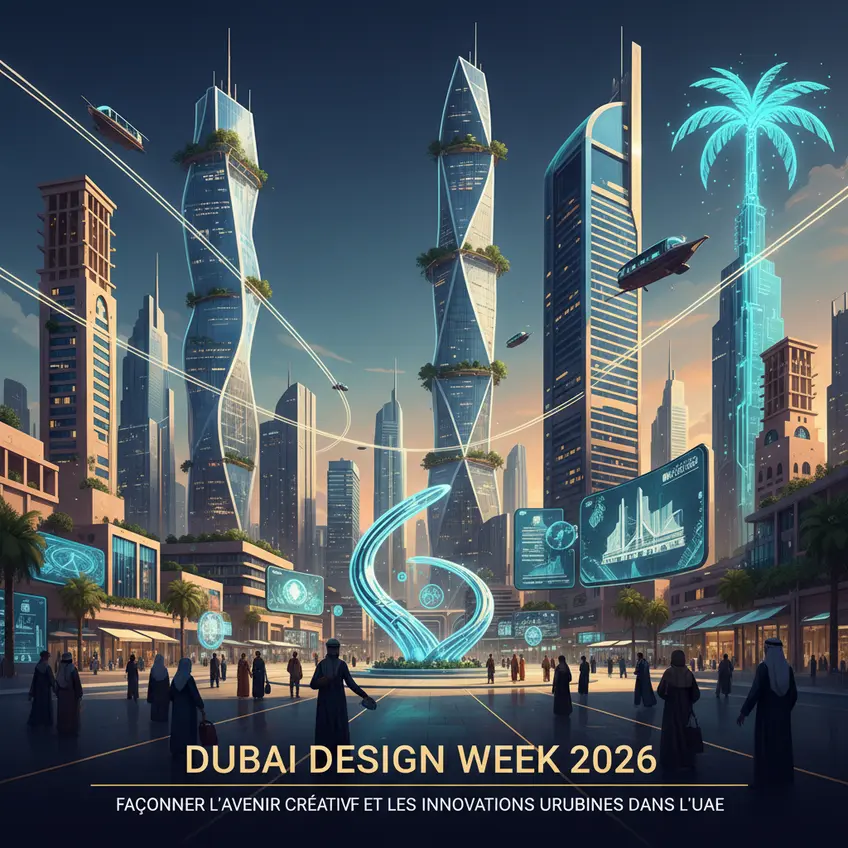
Facing rapid growth and environmental challenges, the UAE is exploring various solutions to shape its cities intelligently and sustainably. These options encompass technological, urban planning, and social approaches, each contributing to a resilient, innovative urban future. From smart urban planning to the integration of green technology, the choices are many and often complementary. Dubai Design Week 2026 will be a convergence point for evaluating these different strategies and identifying those most relevant to the UAE's unique context. It's crucial to understand the pros and cons of each option to make informed choices that ensure harmonious growth and a positive impact on residents' quality of life. Companies specializing in web agency in Dubai & UAE play a key role in developing the digital interfaces that support these urban innovations.
Detailed Comparison Table of Urban Innovation Strategies
Practical Guide: Making the Most of Dubai Design Week 2026
Attending Dubai Design Week 2026 can be a transformative experience for design professionals and enthusiasts. To get the most out of it, careful planning is essential. Whether you're an exhibitor, a visitor, or media, these steps will help you maximize your engagement and fully benefit from the opportunities offered by this major UAE event. From advance preparation to post-event engagement, every phase is crucial for a successful, productive participation. A digital marketing consultant in Dubai could help refine the online presence strategy for the event.
Step 1: Strategic Pre-Event Planning
Before you even arrive, identify your goals: finding partners, competitive intelligence, inspiration, professional development. Check the full program as soon as it's published to spot the exhibitions, conferences, workshops, and installations that match your interests. Book your tickets, accommodation, and flights in advance, especially if you're coming from abroad, as Dubai is a highly sought-after destination. Prepare your networking tools: business cards, a digital portfolio, and a concise pitch to present your work or company. If you're a web agency in Dubai, prepare demonstrations of your latest innovations. Also schedule meetings with the key contacts you want to see. Good preparation guarantees a smooth, productive experience, avoiding the stress of last-minute improvisation.
Step 2: Active Engagement On-Site
Once there, be proactive. Take part in discussions, ask questions at conferences, and engage with exhibitors. Don't just look; interact. Workshops and interactive sessions are excellent opportunities to gain new skills and meet peers. Use the event's digital tools (mobile app, social media) to stay informed in real time and share your discoveries. Don't hesitate to explore the different design districts of Dubai taking part in the event, such as the Dubai Design District (d3), often the heart of the action. It's a chance to see design in action and discover the influence of local culture on global trends. Every interaction is an opportunity to learn and connect.
Step 3: Post-Event Follow-Up and Integration
The experience doesn't end once the event is over. Systematically follow up with everyone you met. Send personalized emails, connect on LinkedIn, and deepen the conversations you started. Consolidate the information you gathered: conference notes, contacts, inspiring ideas. Integrate the new knowledge and trends into your own projects and strategies. If you discovered innovations in website in Dubai, think about how to apply them. Share your impressions and takeaways with your team or professional network. Dubai Design Week 2026 should be a starting point for new initiatives, not just a parenthesis in your year. Analyzing and integrating what you've learned is the key to truly impactful participation.
Common Mistakes and Myths to Debunk in the UAE Design World
The dynamism of the design sector in the UAE, while promising, is often surrounded by misunderstandings and preconceived notions. To navigate this environment effectively and fully seize the opportunities offered by events like Dubai Design Week 2026, it's essential to debunk certain myths and avoid common mistakes. Understanding these pitfalls not only optimizes design and innovation strategies, but also builds a more realistic, productive view of the market. From unrealistic expectations to neglected strategy, these mistakes can hinder the growth and impact of creative projects. A web agency in Dubai must be particularly aware of these pitfalls to best advise its clients.
Myth 1: Design in the UAE Is Solely Focused on Luxury and Ostentation
This myth is persistent, but it's increasingly far from reality. While Dubai is associated with luxury, the design landscape in the UAE has matured considerably, now incorporating values of sustainability, functionality, social innovation, and accessibility. Dubai Design Week 2026 will spotlight projects focused on environmental impact, smart urban planning, and improving citizens' daily lives, well beyond purely aesthetic considerations. The focus is on finding pragmatic, responsible solutions that address the challenges of a modern, multicultural society. Local brands and designers are embracing an aesthetic more rooted in regional culture while remaining forward-looking, proving that thoughtful design can be both beautiful and functional. Many website development in Dubai projects also aim to serve practical, not just aesthetic, needs.
Myth 2: Innovation Is Exclusively Technological
While technology undeniably plays a role in advancing design in the UAE, it's wrong to believe that innovation is limited to gadgets and digital platforms. Design innovation also encompasses new production methods, novel materials, creative collaboration approaches, and innovative business models. It can show up in the design of unique user experiences, improved artisanal manufacturing processes, or the reinterpretation of traditional architectural forms using modern techniques. Dubai Design Week showcases this diversity of innovation, from advances in biomaterials to social engineering through service design, demonstrating that human creativity and conceptual thinking are just as essential as technological progress in shaping a smarter, better future. Even mobile app development in Dubai isn't limited to technology, but includes UX/UI innovation.
Myth 3: The UAE Design Market Is Saturated
While the market is competitive, it's far from saturated. The UAE, and Dubai in particular, continues to be a land of opportunity for designers and creative businesses. Population growth, major infrastructure projects (such as urban expansion southward), and strong government commitment to supporting creative industries create a constant need for new design solutions. There's growing demand for personalized designs, sustainable concepts, and specialized expertise. The market is evolving and diversifying, offering niches for those bringing unique, innovative value propositions. The key isn't to avoid the market, but to position yourself strategically within it with a differentiated, high-quality offering. Opportunities for personal branding in Dubai & UAE are also expanding rapidly, as professionals seek to stand out.
Best Practices / Advanced Strategies for Design Innovation
To excel in the UAE's dynamic design ecosystem, adopting advanced strategies is essential. Beyond fundamental principles, successful designers and companies incorporate proactive, collaborative, visionary approaches. These best practices aren't just guidelines, but pillars for building a sustainable career and impactful projects. Dubai Design Week 2026 will be an opportunity to see these strategies in action and learn from sector leaders. They help you stay relevant, continuously innovate, and create meaningful value in a constantly evolving market. These strategies are also applicable to digital services, for example for a web agency in Dubai.
Integrate Design Thinking From the Earliest Stages
Design Thinking isn't just a methodology; it's a mindset. Applying it from the earliest stages of a project, from research to ideation, centers the solution on users' real needs. This involves a deep understanding of the challenges, empathy with stakeholders, and rapid iteration through prototypes. In the UAE, where cultural diversity is a reality, Design Thinking is crucial for creating inclusive, relevant solutions. It helps anticipate market shifts and develop products and services that truly resonate with the target audience, whether a physical product, an architectural space, or a digital service. Adopting this approach helps avoid costly design mistakes and ensures better market fit.
Cultivate Cross-Disciplinary Collaboration
The UAE's urban and creative challenges are complex and can't be solved by a single discipline. Collaboration between architects, industrial designers, urban planners, engineers, artists, and even data and social science specialists is essential. This cross-disciplinary exchange fuels innovation by bringing varied perspectives and complementary skills. Dubai Design Week actively encourages these synergies by bringing together professionals from different backgrounds. Cultivating a strong network and being open to collaboration is a key strategy for developing richer, more integrated, more effective projects. It helps break down traditional silos and tackle problems with a holistic vision, essential for the future of smart, sustainable cities. For a website creation agency in Dubai & UAE, this means working with experts in UX, SEO, content, and development.
Adopt a Proactive Vision and Anticipate Future Trends
The world of design evolves at breakneck speed. Successful designers and companies don't just follow trends; they anticipate or even create them. This requires constant monitoring, active research, and a willingness to experiment. In the UAE, being proactive means watching technological developments, societal changes, and government initiatives to identify emerging opportunities. Attending Dubai Design Week 2026 is an excellent way to stay ahead of the curve, discover tomorrow's materials, disruptive technologies, and the concepts that will shape the future of design. A proactive vision keeps you competitive and positions you as a thought leader, rather than a follower, in a constantly moving market.
Case Studies: Landmark Innovative Projects in the UAE
To illustrate the impact and diversity of design in the UAE, several recent projects stand out for their innovation, sustainability, and vision. These concrete examples show that design isn't just about aesthetics, but a powerful lever for urban development, community engagement, and environmental sustainability. They are a source of inspiration and proof that the UAE is at the forefront of experimenting with and implementing forward-thinking solutions. These case studies will likely be topics of discussion at Dubai Design Week 2026, showcasing local successes and their potential to inspire the whole world. They highlight the UAE's ability to turn bold visions into tangible, impactful realities.
The Museum of the Future: An Icon of Innovation
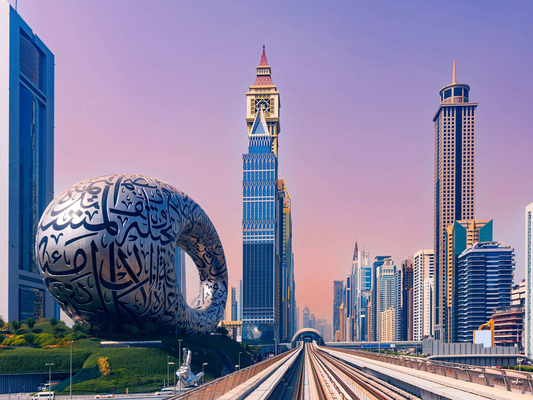
Located in Dubai, the Museum of the Future is more than a building; it's an architectural work of art and a hub for global innovation. Its elliptical design, with no sharp angles, and its facade adorned with raised Arabic calligraphy that lights up, are a feat of engineering and design. Beyond its futuristic aesthetics, the museum is a living laboratory, showcasing the latest advances in robotics, artificial intelligence, and biotechnology. It serves as a platform for exploring how technology and design can shape the future of humanity. The equally impressive interior design invites immersion and interaction, creating an educational, inspiring experience for every visitor. This iconic project embodies the UAE's vision of positioning itself as a global leader in innovation and creativity, serving as a model for the website in Dubai of cultural institutions.
District 2020 (former Expo 2020 Dubai site): The City of the Future Reimagined
District 2020 is a model of post-Expo sustainable urban development. Instead of being dismantled, the Expo 2020 Dubai site was transformed into a "smart city" focused on technology and innovation. The master plan incorporates principles of sustainability, connectivity, and community life, with 80% of the Expo's infrastructure reused. The district emphasizes knowledge and innovation industries, attracting tech companies, startups, and SMEs. It offers office spaces, residential areas, parks, and leisure facilities, all designed to foster collaboration and well-being. Smart mobility, renewable energy, and advanced digital solutions are at the heart of this development, making District 2020 a concrete example of tomorrow's urban planning in the UAE. It's fertile ground for mobile app development in Dubai companies and other technological innovations.
Alserkal Avenue: The Blossoming of a Cultural and Creative District
Alserkal Avenue, in Al Quoz, Dubai, is a former industrial complex transformed into a vibrant arts and cultural district. This urban regeneration project is a testament to the power of design to revitalize spaces and create communities. Alserkal is home to contemporary art galleries, design studios, theaters, concept cafes, and co-working spaces. The existing industrial architecture has been intelligently reused and adapted, creating a unique environment that fosters creativity, collaboration, and cultural exchange. It's a striking example of adaptive design and reuse, where the site's history is respected while breathing new life into it. Alserkal Avenue has become a convergence point for Dubai's art and design scene, proving that creativity can flourish in unexpected settings, an excellent example of personal branding in Dubai & UAE at the neighborhood level.
The Next Wave: The Future of Design and Innovation in the UAE
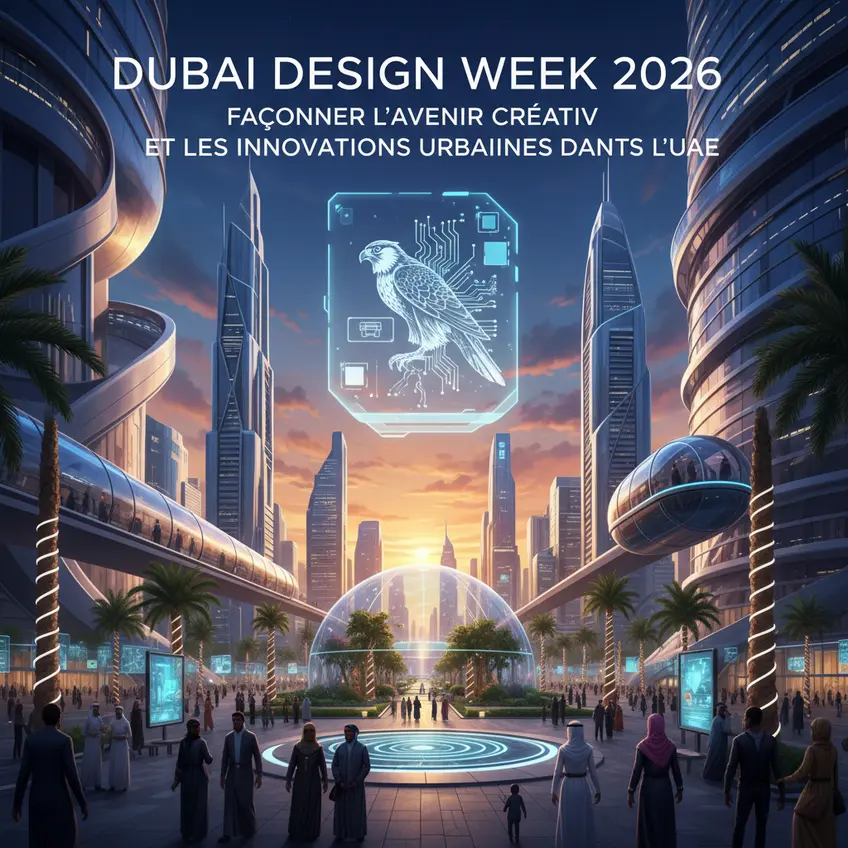
The UAE never rests on its laurels. The future of design and innovation in the region promises to be even bolder and more transformative, driven by strategic vision and continued investment. Dubai Design Week 2026 will be not just a reflection of current trends, but also a springboard for the concepts and technologies that will define the next decade. We can expect deeper integration of generative artificial intelligence into design processes, deep personalization of urban environments, and a growing emphasis on multisensory experiences. UAE cities, such as Dubai, aim to become living laboratories for testing and deploying these innovations, consolidating their role as global leaders in building a smarter, more sustainable, more beautiful future. International collaboration and the training of local talent will remain essential pillars of this evolution. Players in website development in Dubai will also be at the forefront of these changes.
Frequently Asked Questions About Dubai Design Week and Innovation in the UAE
What are the main themes of Dubai Design Week 2026?
Dubai Design Week 2026 will explore key themes such as circular sustainability, the integration of AI and extended reality into design, resilient urban planning, and biophilic architecture. The focus will be on creative solutions to environmental and social challenges, as well as the future of living and working spaces in rapidly changing urban contexts. Discussions will also cover the importance of cultural identity in contemporary design, blending tradition and innovation to create unique aesthetics.
How does Dubai Design Week support local UAE talent?
Dubai Design Week is a major platform for local talent. It offers exhibitions dedicated to Emirati designers, mentorship programs, and opportunities to present their work to an international audience. Initiatives like the "Global Grad Show" spotlight young graduates, while partnerships with local institutions foster the growth of the creative ecosystem. This event helps forge the personal branding in Dubai & UAE of emerging designers.
What networking opportunities are available during the event?
The event offers many networking opportunities, including gala evenings, official receptions, interactive workshops, and dedicated professional meeting zones. The presence of numerous designers, architects, investors, and decision-makers creates an environment conducive to exchange and the forming of strategic partnerships. Complementary online platforms also facilitate matchmaking before and after in-person meetings, maximizing the chances of fruitful connections.
How does design contribute to Dubai's Smart City vision?
Design is a fundamental pillar of Dubai's Smart City vision. It shows up in the design of smart infrastructure, innovative mobility systems, interactive public spaces, and sustainable energy solutions. User-centered design ensures that these technologies concretely improve residents' quality of life. Urban planners and architects collaborate to create functional, beautiful, resilient cities, where every element is designed for optimal efficiency and well-being. This is often managed by a skilled web agency in Dubai.
What are the main challenges for sustainable design in the UAE?
Challenges include managing water resources, adopting low-carbon-footprint materials in an arid climate, and integrating the circular economy at scale. Public awareness and investment in research and development of solutions suited to the local context are also crucial. However, the UAE is proactive in implementing policies and regulations that encourage sustainable innovation, turning these challenges into leadership opportunities. The need for eco-responsible mobile app development in Dubai is one example.
How can businesses get involved in Dubai Design Week?
Businesses can get involved by becoming exhibitors, sponsors, or by taking part in partner programs. They can also organize satellite events, workshops, or conferences as part of Design Week. It's an excellent opportunity to showcase their innovations, strengthen their brand, and connect with a qualified audience of design professionals and enthusiasts. A good communication strategy is essential to maximize their visibility and impact. A digital marketing consultant in Dubai can help develop this strategy.
Practical Checklist: Maximizing Your Impact at Dubai Design Week 2026
-
Check the Official Program:
Review the list of events, exhibitions, and conferences as soon as it's published to create your personalized itinerary. Don't miss any key sessions for your specific interests.
-
Optimize Your Digital Presence:
Make sure your website and professional profiles are up to date. A web agency in Dubai can help you polish your online image for the event.
-
Prepare Your Networking Kit:
Have business cards, a QR code to your digital portfolio or your website creation in Dubai, and a memorable pitch ready for any impromptu meeting.
-
Engage on Social Media:
Use the event's official hashtags and share your discoveries in real time. Interact with other attendees and influencers to extend your reach.
-
Plan Post-Event Follow-Ups:
Set aside time after the event to reconnect with your new contacts and consolidate opportunities. Persistence is the key to turning contacts into lasting collaborations.
-
Assess and Integrate What You Learned:
Analyze the trends, innovations, and feedback to integrate them into your own future projects and strategies. The event should be a catalyst for your growth.


