
























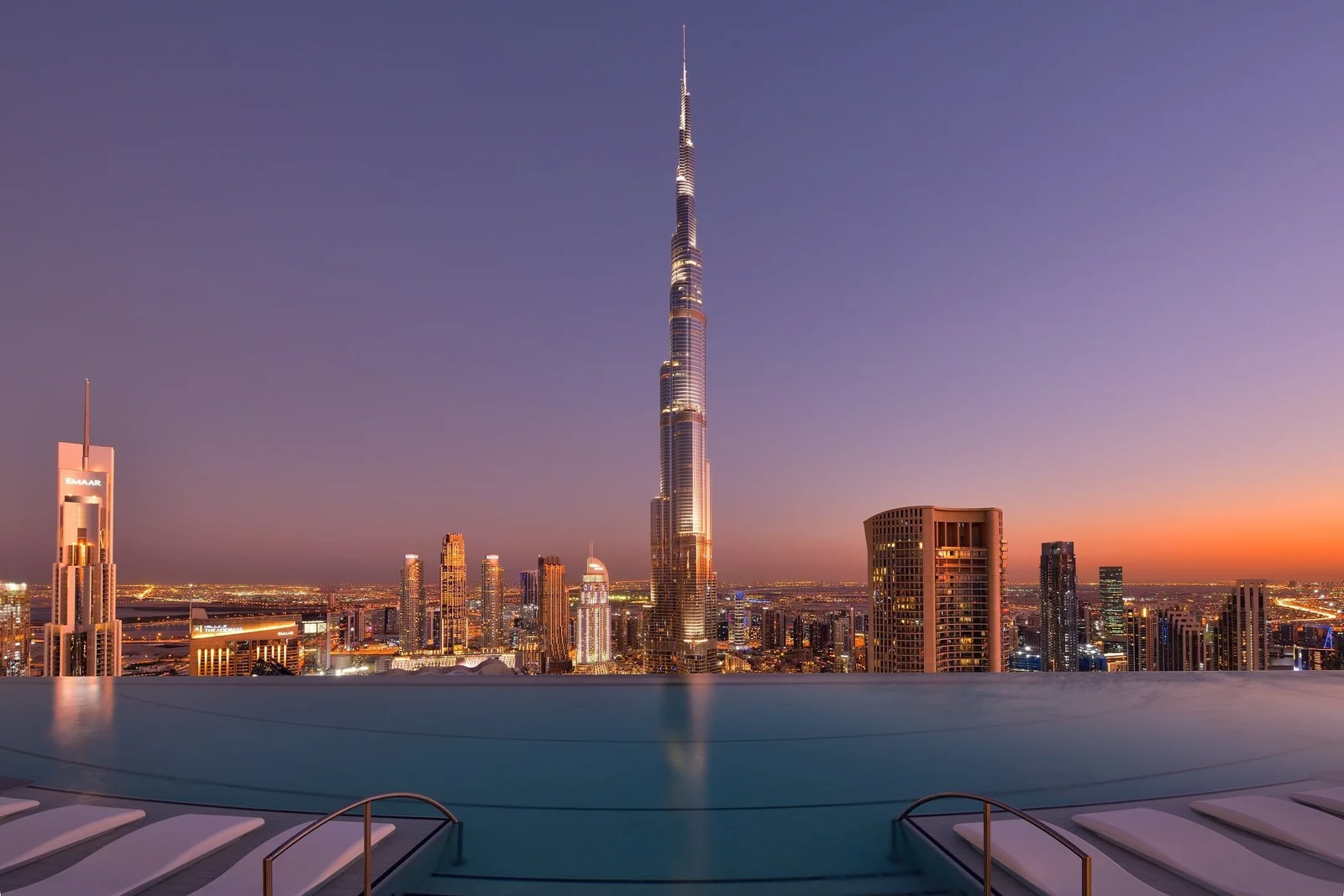




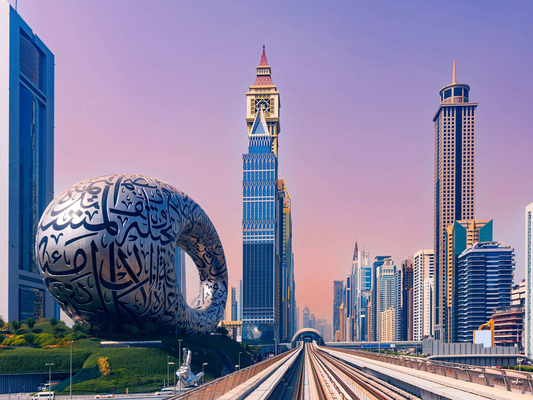

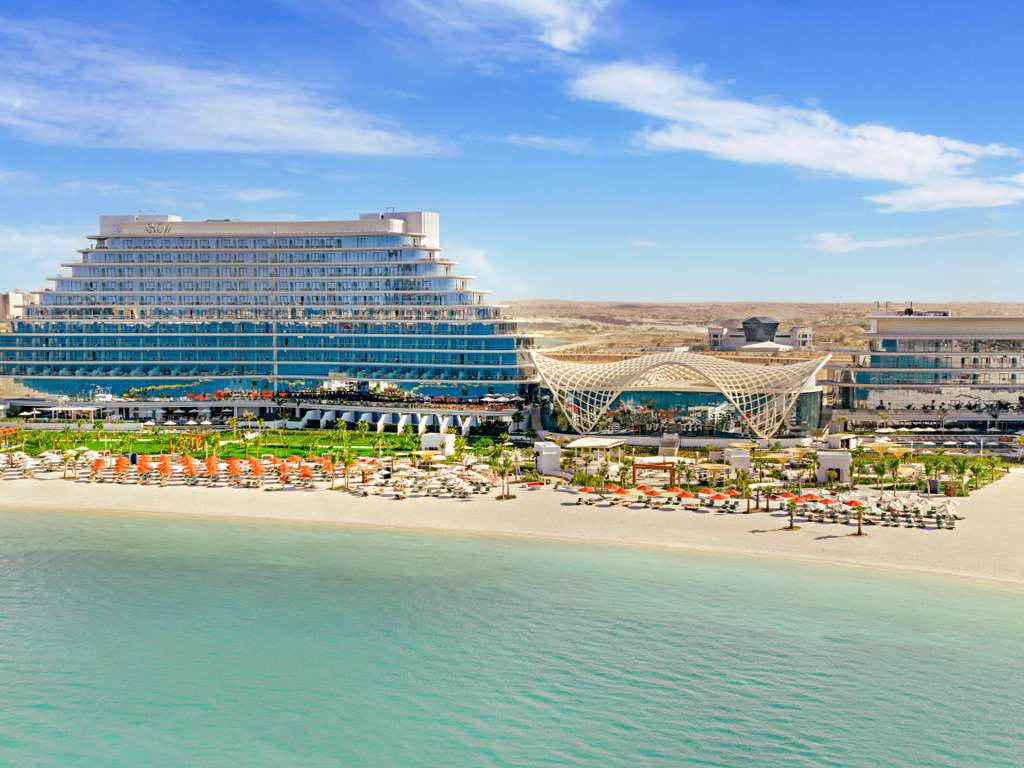
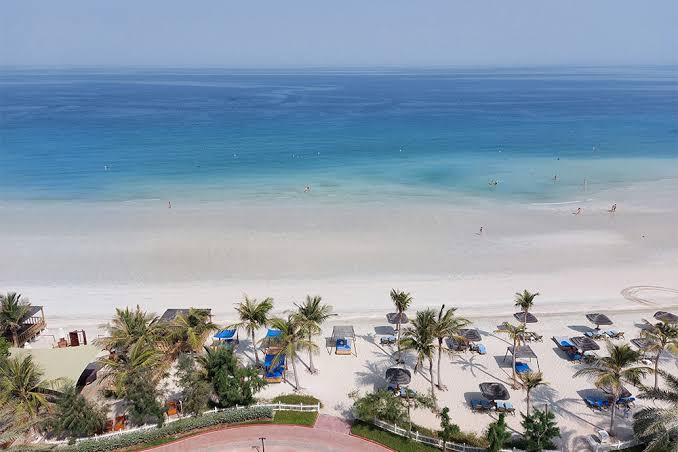
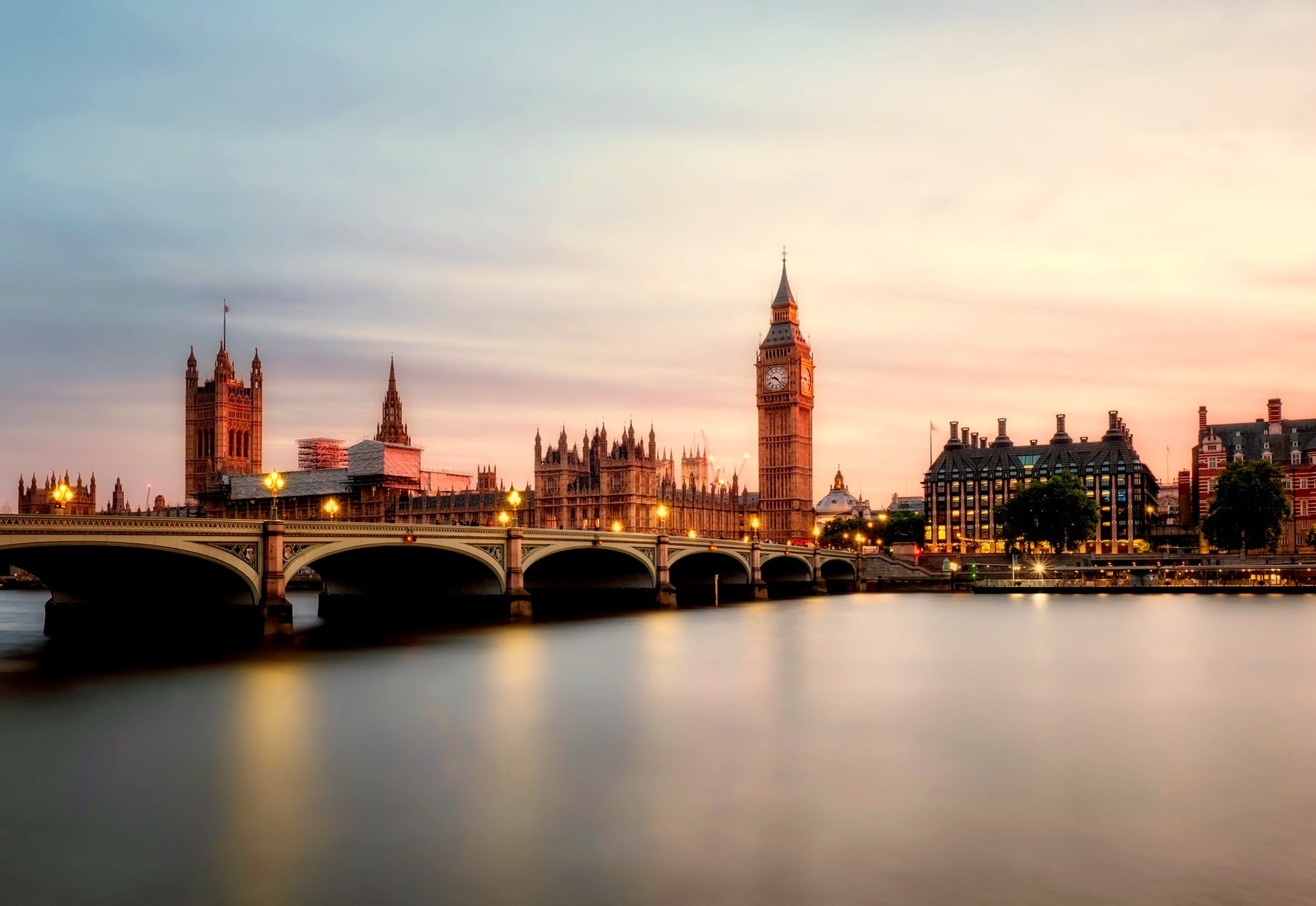

In the relentless march of urbanization, cities across the globe, from the bustling metropolises of Dubai to the sprawling landscapes of London, have often prioritized efficiency and infrastructure over the intrinsic human need for connection with nature. This paradigm, however, is rapidly shifting. A growing body of research and innovative urban planning initiatives now highlight the profound impact of biophilic design – the integration of natural elements and processes into built environments – on the psychological well-being of residents. As urban populations continue to swell, understanding and implementing strategies that foster mental health and vitality within dense concrete jungles becomes not just desirable, but essential. This comprehensive exploration delves into the foundational principles of biophilic design, its historical evolution, current trends, and its measurable effects on human psychology, particularly within the unique urban fabric of the Middle East, offering a compelling case for a greener, more human-centric approach to city development.
Cultivating Serenity: The Foundations of Biophilic Urbanism
Biophilic design, at its core, is an innovative approach that seeks to re-establish the human-nature connection within the built environment. Coined by Edward O. Wilson, the term "biophilia" describes humanity's innate tendency to connect with nature and other living systems. In urban planning, biophilic design translates this inherent connection into tangible strategies, moving beyond mere landscaping to fundamentally re-imagine how cities interact with the natural world. This encompasses everything from green roofs and vertical gardens to natural light maximization, the use of natural materials, and the incorporation of water features that mimic natural soundscapes. The historical roots of this philosophy can be traced back to ancient civilizations that instinctively integrated natural elements into their urban centers, recognizing the aesthetic and spiritual benefits of natural surroundings. From the hanging gardens of Babylon to the intricate courtyards of Islamic architecture, which often featured lush greenery and tranquil water features, there has always been an underlying human drive to bring nature closer to home.

Key principles of biophilic design extend beyond simple green aesthetics, delving into fundamental human physiological and psychological responses. These principles include direct nature experiences (light, air, water, plants, animals, weather), indirect nature experiences (images of nature, natural materials, natural colours, naturalistic shapes and forms), and experiences of space and place (prospect, refuge, mystery, risk/peril). Each element contributes to a holistic environment that can reduce stress, enhance cognitive function, improve mood, and accelerate healing. For instance, studies have shown that access to natural light improves circadian rhythms and reduces instances of Seasonal Affective Disorder. The presence of indoor plants has been linked to improved air quality and reduced stress levels, while views of nature from windows can aid in recovery from surgery and enhance concentration. Understanding these foundational elements is crucial for any urban planner or developer aiming to create spaces that truly support psychological health. In a rapidly expanding urban landscape like Dubai, integrating such principles becomes paramount for future sustainable development and enhancing the quality of life for its diverse residents. This is where forward-thinking strategies, often facilitated by a skilled marketing consultancy agency in Dubai, can align urban planning with community needs and market desires for sustainable, healthy living spaces.
The Green Shift: Current Trends & Recent Statistics (2024/2025) in Biophilic Urbanism
The global embrace of biophilic design is accelerating, driven by mounting evidence of its benefits and a growing public demand for healthier, more sustainable urban living. As of 2024/2025, several key trends are shaping the landscape of biophilic urban planning, particularly in high-growth regions like the UAE. These trends reflect an evolved understanding of nature's role in cities, moving beyond decorative green spaces to systemic integrations that foster genuine well-being. The rise of "15-minute cities" concepts, for instance, inherently encourages localized green infrastructure, ensuring residents have easy access to parks, community gardens, and natural pathways, directly reducing reliance on vehicular transport and promoting active lifestyles. Data from recent urban health surveys indicates a direct correlation between proximity to green spaces and reduced incidence of anxiety and depression among urban dwellers, with some studies showing up to a 30% lower risk in areas with high green space density.

The Vertical Green Revolution and Sky Gardens
One of the most visually striking and impactful trends is the proliferation of vertical gardens and sky gardens, especially in densely populated urban centers where horizontal space is limited. Cities like Singapore have pioneered this movement, and Dubai is quickly adopting similar strategies, transforming building facades and rooftops into vibrant ecosystems. These vertical greening initiatives are not merely aesthetic; they contribute significantly to urban biodiversity, reduce the urban heat island effect, improve air quality by filtering pollutants, and provide psychological benefits through constant visual access to living nature. Statistics from recent urban development reports indicate that buildings incorporating extensive vertical greenery can experience internal temperature reductions of up to 5-7 degrees Celsius, leading to significant energy savings. Moreover, resident surveys reveal a substantial increase in perceived quality of life and reduced stress levels for those living or working in proximity to these green structures. The development of specialized irrigation and maintenance technologies for these complex systems is also a burgeoning industry, showcasing the technical innovation underpinning this green revolution. The integration of such sophisticated design often necessitates a robust digital presence, which a premier website creation agency in Dubai & UAE can provide, showcasing these projects to a global audience and attracting further investment.
Smart Cities and Nature-Based Solutions (NBS) Integration
Another significant trend is the sophisticated integration of Nature-Based Solutions (NBS) within smart city frameworks. This involves leveraging natural processes to solve urban challenges, such as using constructed wetlands for wastewater treatment, urban forests for air purification, and permeable surfaces for flood management. Unlike traditional grey infrastructure, NBS often delivers multiple co-benefits, including improved public health, enhanced biodiversity, and increased aesthetic value. In 2025, major urban planning initiatives are increasingly incorporating NBS as foundational elements, with projections indicating a substantial increase in public and private investment in these solutions. For instance, cities are deploying networks of smart sensors to monitor environmental parameters in green spaces, optimizing irrigation, and assessing air quality benefits in real-time. This blend of technology and nature creates resilient, adaptive, and human-friendly urban environments. This strategic convergence of technology and urban planning also presents unique opportunities for a digital marketing agency in Dubai to highlight these innovations and foster public engagement around sustainable urban living.
Comparative Analysis & Practical Implementation: Navigating Biophilic Options
When considering the integration of biophilic design into urban planning, municipalities and developers face a spectrum of options, each with distinct benefits, challenges, and suitability for different contexts. A comparative analysis helps in understanding which solutions are most effective and feasible for specific urban environments, such as those found in Dubai or other arid regions. From large-scale urban forests to micro-level interior greening, the choice depends on factors like available space, climate, budget, and desired psychological impact. Understanding these distinctions is critical for optimizing investments and ensuring long-term success.
Detailed Comparative Table: Biophilic Design Strategies for Urban Environments
The table above illustrates two ends of the biophilic design spectrum. While vertical gardens excel in dense urban settings, bringing nature directly to structures, large parks provide expansive, immersive natural experiences. Both are crucial, often complementary, components of a holistic biophilic urban strategy. Developers in the UAE, for instance, might combine extensive green roofs on high-rises with the development of linear parks along existing infrastructure corridors to maximize green space utility.
Blueprint for a Greener Tomorrow: A Practical Guide to Integrating Biophilic Design
Implementing biophilic design requires a systematic approach, moving from conceptualization to detailed execution. This practical guide outlines three essential steps for successfully embedding nature into urban planning, ensuring maximum psychological and environmental benefits for residents.
Step 1: Conduct Comprehensive Biophilic Audits and Needs Assessments
Before any design work begins, it is crucial to understand the existing urban context and the specific needs of the community. A biophilic audit involves evaluating current natural assets, assessing human-nature interaction points, and identifying environmental stressors. This includes mapping existing green spaces, analyzing climate data, and conducting surveys or workshops with residents to gauge their preferences and concerns regarding nature access. For example, in a hot climate like Dubai, water features and shade-providing vegetation might be prioritized. The data gathered informs strategic planning and ensures that proposed biophilic interventions are culturally relevant and ecologically appropriate. Leveraging expert insights during this phase, perhaps from a specialized mobile app development agency in Dubai UAE, could facilitate community engagement and data collection through bespoke applications.
Step 2: Integrate Multi-Sensory Nature Elements at All Scales
Successful biophilic design extends beyond visual greening to incorporate multi-sensory experiences. This means designing for sound (e.g., tranquil water features, birdsong), scent (e.g., fragrant plants), touch (e.g., natural textures, diverse plant foliage), and even taste (e.g., community gardens). Integration should occur at multiple scales: from individual buildings (e.g., internal courtyards, natural light optimization) to neighborhood blocks (e.g., street trees, pocket parks) and city-wide networks (e.g., green corridors, blue infrastructure). The goal is to create a seamless gradient of nature that residents can experience daily, enhancing their overall well-being. Ensuring these elements are well-communicated to the public can be achieved effectively by a skilled website development agency in Dubai, providing virtual tours and detailed project information.
Step 3: Foster Community Engagement and Long-Term Stewardship
The longevity and success of biophilic projects hinge on community involvement and a robust plan for long-term stewardship. Engaging residents in the design process, through co-creation workshops or participatory budgeting, fosters a sense of ownership and responsibility. Educational programs on urban ecology and the benefits of green spaces can empower communities to become active caretakers of their natural environments. Post-occupancy evaluations are also crucial for understanding the impact of interventions and making necessary adjustments. Establishing partnerships with local environmental groups, educational institutions, and a proactive personal branding Dubai & UAE entity can ensure ongoing support, resource allocation, and sustained engagement, transforming green spaces into beloved community assets rather than mere static installations.
Navigating the Urban Jungle: Common Errors, Best Practices & Inspiring Case Studies in Biophilic Design
While the benefits of biophilic design are widely recognized, its effective implementation is not without its challenges. Understanding common pitfalls and adhering to best practices are crucial for maximizing positive psychological impacts. Moreover, examining successful case studies provides tangible inspiration and practical lessons for future urban developments.
Debunking Myths: Common Errors in Biophilic Integration
The path to truly biophilic cities is often hindered by misconceptions and missteps. Avoiding these common errors is paramount for creating environments that genuinely enhance well-being.
Myth 1: Biophilic Design is Just Landscaping
A prevalent misconception is equating biophilic design with mere aesthetic landscaping. While greenery is a component, true biophilic design goes far deeper, aiming to integrate natural patterns, processes, and systems into the very fabric of the built environment. It involves considering natural light, air flow, water elements, natural materials, and even abstract representations of nature, such as fractal patterns in design. Simply adding a few plants or a patch of grass without considering these deeper principles often leads to superficial "greenwashing" that provides minimal psychological benefit. A truly biophilic approach is holistic, aiming to mimic the restorative qualities of natural ecosystems rather than just their appearance. This requires a comprehensive vision, often supported by integrated marketing and communication strategies that a dedicated web agency in Dubai & UAE can help articulate.
Myth 2: Biophilic Design is Exclusively for New Developments
Another common error is believing that biophilic principles can only be applied to new construction projects. While new developments offer the most flexibility, significant biophilic interventions can and should be integrated into existing urban infrastructure through retrofitting and renovation. This includes transforming asphalt surfaces into permeable green spaces, installing vertical gardens on existing building facades, converting underutilized rooftops into community gardens, and daylighting buried streams. Retrofitting often requires creative solutions and community engagement but can yield substantial improvements in the psychological well-being of residents in established neighborhoods. Such revitalizations can often become compelling narratives for a proactive digital marketing agency in Dubai to share, showcasing urban renewal and sustainable living.
Myth 3: Biophilic Design is Too Expensive and Impractical for Arid Climates
There's a myth that biophilic design is overly costly and impractical, especially in challenging environments like the arid climates of the UAE. While initial investments can be higher than conventional concrete developments, the long-term benefits in terms of energy savings (due to reduced urban heat island effect), improved air quality, stormwater management, and enhanced human productivity and well-being often far outweigh the costs. Furthermore, innovative solutions like xeriscaping, native plant selection, and efficient water recycling systems can make biophilic design highly sustainable and cost-effective even in water-scarce regions. The key lies in smart, climate-responsive design rather than simply replicating temperate climate greening strategies. The branding and presentation of these sustainable solutions are crucial, an area where a strong branding Company in Dubai can make a significant difference.

Elevating Urban Living: Best Practices & Advanced Strategies in Biophilic Planning
Moving beyond basic principles, advanced biophilic planning incorporates cutting-edge research and integrated strategies to create truly restorative urban environments.
Designing for Sensory Diversity and Dynamic Engagement
Effective biophilic design isn't static; it engages multiple senses and evolves with seasons and time. This involves creating spaces with varying light conditions throughout the day, incorporating elements that produce natural sounds (e.g., rustling leaves, flowing water), and designing for tactile experiences through diverse plant textures and natural materials. Dynamic engagement also means encouraging interaction with nature, such as urban farming initiatives, accessible walking trails through diverse ecosystems, and even interactive art installations that respond to natural phenomena like wind or sunlight. The aim is to create environments that are continuously stimulating and provide a sense of wonder, fostering a deeper, more enduring connection with nature.
Integrating Biophilic Design with Smart City Technologies
The synergy between biophilic design and smart city technologies presents a powerful pathway for enhancing urban well-being. This includes using IoT sensors to monitor air quality, soil moisture, and biodiversity in green spaces, allowing for optimized maintenance and real-time data-driven insights. Smart irrigation systems can conserve water in arid climates, while intelligent lighting systems can mimic natural light cycles indoors. Furthermore, mobile applications can guide residents through urban nature trails, identify local flora and fauna, and even connect them to community gardening initiatives. This integration leverages technology not to replace nature, but to augment its presence and manage it more efficiently, creating more resilient and responsive biophilic urban ecosystems. Such sophisticated integrations often benefit from collaboration with a specialized mobile app development agency in Dubai UAE to craft user-friendly interfaces and robust backend systems.
Fostering Biophilic Culture Through Policy and Education
Long-term success in biophilic urban planning requires more than just physical interventions; it demands a cultural shift. This involves implementing supportive urban policies that incentivize green development, protect natural habitats, and allocate sufficient funding for maintenance. Educational programs, from school curricula to public workshops, can raise awareness about the benefits of biophilia and equip residents with the knowledge to interact respectfully and beneficially with urban nature. Creating accessible educational resources, perhaps through engaging websites developed by a top-tier website creation agency in Dubai & UAE, can further empower citizens. Ultimately, a biophilic city is one where nature is not just integrated into infrastructure but is also deeply embedded in the collective consciousness and daily practices of its inhabitants.
Urban Nature's Triumph: Inspiring Case Studies in Biophilic Transformation
Numerous cities worldwide offer compelling examples of biophilic design successfully enhancing psychological well-being. These case studies provide invaluable lessons and demonstrate the tangible benefits of integrating nature into urban fabric.
The Singapore Biophilic City Vision: A Global Benchmark
Singapore stands as a global leader in biophilic urbanism, with a long-term vision to become a "City in a Garden." Its success is attributed to a comprehensive strategy that includes extensive tree planting, vertical gardens on high-rises, expansive park connectors linking green spaces, and mandating green features in new developments. Projects like Gardens by the Bay, with its iconic Supertrees, and the Jewel Changi Airport, featuring the world's tallest indoor waterfall surrounded by a forest valley, are testament to this commitment. Studies consistently show that Singaporean residents report high levels of satisfaction with their urban environment, attributing much of it to the pervasive greenery and access to nature. The city's strategic planning and meticulous execution have resulted in measurable improvements in air quality, reduced urban heat, and enhanced mental well-being for its citizens, showcasing how a strategic vision can translate into a thriving natural urban ecosystem.
Dubai's Green Ambition: Integrating Nature in Arid Landscapes
Dubai, a city often associated with futuristic architecture and desert landscapes, is increasingly embracing biophilic design to enhance resident well-being and sustainability. Projects like the Dubai Creek Harbour and the various green initiatives within Expo City Dubai demonstrate a concerted effort to integrate green spaces, water features, and sustainable building materials. The city's focus on parks, community gardens, and even desert-adapted landscaping principles is transforming its urban core. While facing unique challenges posed by its arid climate, Dubai is pioneering innovative solutions, such as extensive use of drought-tolerant plants, smart irrigation systems, and designing shaded pedestrian pathways that encourage outdoor activity. These initiatives contribute to reducing stress, improving physical health, and fostering a stronger sense of community among residents, showcasing a commitment to a greener future that extends beyond mere aesthetics to deeply impact the psychological landscape of the city. The proactive communication of these initiatives, often led by sophisticated branding Company in Dubai, is crucial for public awareness and adoption.
The Next Wave of Urban Flourishing: Future Prospects for Biophilic Cities
The future of urban planning is intrinsically linked to the principles of biophilic design. As global populations continue to concentrate in urban areas, the imperative to create environments that nurture human psychological well-being will only intensify. The next wave of biophilic cities will move beyond isolated green projects to fully integrated, ecosystem-centric urban models, where nature is not just an amenity but the foundational infrastructure. This paradigm shift will see cities functioning more like living organisms, with interconnected green and blue networks providing essential ecological services and profoundly enriching the human experience. Expect to see advanced biomimicry informing architectural design, where buildings themselves emulate natural processes for energy efficiency and climate control. Furthermore, the role of artificial intelligence and advanced analytics will become critical in optimizing the placement, design, and maintenance of biophilic elements, ensuring maximum impact on resident health and happiness. We are entering an era where the definition of a "smart city" will be synonymous with a "biophilic city," prioritizing life-affirming environments for all.
Your Guide to Greener Living: Detailed FAQs on Biophilic Urbanism
Understanding the nuances of biophilic design is key to embracing its benefits. Here are answers to common questions.
What exactly is the psychological impact of biophilic design?
Biophilic design profoundly impacts psychological well-being by reducing stress, improving mood, enhancing cognitive performance, and fostering a sense of vitality. Exposure to natural elements has been shown to lower cortisol levels, increase feelings of relaxation, and even aid in recovery from mental fatigue. It reconnects individuals with their innate biophilia, leading to a greater sense of peace and belonging within urban environments.
How does biophilic design address the urban heat island effect?
Biophilic design combats the urban heat island effect by integrating extensive greenery, such as green roofs, vertical gardens, and tree canopies. Plants provide shade and release water vapor through evapotranspiration, which cools the surrounding air. Reflective surfaces and natural ventilation strategies also contribute significantly to mitigating heat absorption, making urban areas more comfortable and reducing energy consumption for cooling.
Is biophilic design sustainable in water-scarce regions like the UAE?
Yes, biophilic design can be highly sustainable in water-scarce regions. It emphasizes drought-tolerant native plants, xeriscaping techniques, efficient irrigation systems (like drip irrigation), and the integration of water recycling and rainwater harvesting. The focus is on smart, resilient green infrastructure that conserves resources while still delivering the psychological and environmental benefits of nature. This often requires innovative engineering and careful planning.
Can existing buildings be retrofitted with biophilic elements effectively?
Absolutely. Many existing buildings can be effectively retrofitted with biophilic elements. This can range from adding indoor plant installations and maximizing natural light through strategic window placements to constructing green roofs or vertical gardens on existing facades. Interior renovations can incorporate natural materials and patterns. The key is a thoughtful assessment of the building's structure and systems to identify the most impactful and feasible interventions.
What role does community involvement play in successful biophilic projects?
Community involvement is crucial for the long-term success and sustainability of biophilic projects. Engaging residents in the planning, design, and maintenance phases fosters a sense of ownership, pride, and stewardship. It ensures that the green spaces meet the specific needs and preferences of the community, leading to greater utilization and better upkeep. Participatory approaches build stronger, more connected communities.
How can technology enhance biophilic design interventions?
Technology plays an increasingly vital role in enhancing biophilic design. IoT sensors can monitor environmental conditions, optimizing plant health and water usage. Smart lighting systems can mimic natural circadian rhythms. Augmented reality apps can visualize future green spaces, while mobile platforms can engage communities in citizen science projects related to urban ecology. Technology helps optimize, manage, and scale biophilic solutions.
Paving the Way to Wellness: Your Practical Biophilic City Checklist
Embrace these actionable steps to foster biophilic environments and enhance urban well-being.
- Integrate Green & Blue Infrastructure: Ensure a continuous network of parks, linear greenways, and accessible water features throughout urban areas, allowing for seamless human-nature interaction and ecological connectivity. This goes beyond isolated parks to create a living circulatory system within the city.
- Maximize Natural Light and Ventilation: Prioritize building designs that allow ample natural light penetration and optimize passive ventilation strategies, reducing reliance on artificial systems and connecting occupants to outdoor conditions. This has a direct impact on mood and energy levels.
- Utilize Natural Materials and Patterns: Incorporate natural, locally sourced materials in construction and interior design, and use patterns (e.g., fractals, organic shapes) that evoke nature, creating aesthetically pleasing and psychologically comforting spaces. This extends to furniture and finishings.
- Design for Sensory Engagement: Create environments that stimulate multiple senses – the sound of water, the scent of plants, the feel of natural textures, and dynamic visual landscapes – to provide a richer, more immersive nature experience for residents.
- Foster Urban Food Production: Support and create opportunities for urban agriculture, including community gardens, rooftop farms, and edible landscapes, which not only provide fresh produce but also offer hands-on connection to nature and promote community building.
- Develop Robust Ecological Education Programs: Implement comprehensive educational initiatives for all ages, promoting ecological literacy, the benefits of biophilia, and sustainable practices for interacting with urban nature, fostering a culture of environmental stewardship.


