




















































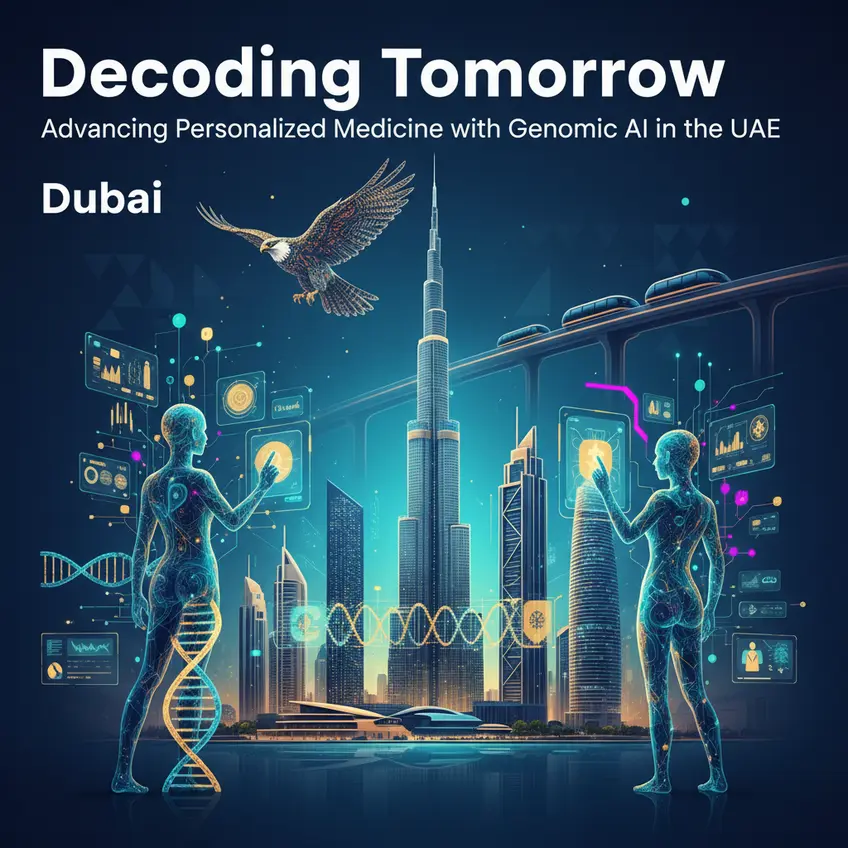
The landscape of healthcare is undergoing a profound transformation, driven by unprecedented technological advancements. At the forefront of this revolution is the convergence of genomic sequencing and artificial intelligence (AI), ushering in an era of personalized medicine. This paradigm shift promises to move away from a "one-size-fits-all" approach to treatment, offering instead highly tailored medical interventions based on an individual's unique genetic makeup. In the United Arab Emirates, a nation renowned for its ambitious vision and rapid adoption of cutting-edge technology, the integration of genomic AI into healthcare is not merely a possibility but a burgeoning reality. The UAE's strategic investments in advanced medical infrastructure and its commitment to digital innovation position it as a global leader in embracing these transformative healthcare solutions. This comprehensive exploration delves into the intricate mechanisms, profound implications, and exciting future of personalized medicine powered by genomic AI within the dynamic context of the UAE, revealing how data-driven insights are shaping healthier tomorrows for its diverse population.
Foundations: Unpacking Personalized Medicine and Genomic AI
To truly appreciate the revolutionary potential of personalized medicine in conjunction with genomic AI, it is crucial to establish a clear understanding of their fundamental principles. Personalized medicine, often interchangeably called precision medicine, represents a medical model that customizes healthcare—with decisions, practices, and products—to the individual patient. Instead of general protocols, it considers variability in genes, environment, and lifestyle for each person. This bespoke approach aims to prevent, diagnose, and treat diseases more effectively by identifying specific biomarkers that predict a patient’s response to therapies or susceptibility to particular conditions. The goal is to deliver the right treatment to the right patient at the right time. Its historical roots can be traced back to early observations of differential drug responses, but it is the advent of genomics that has truly propelled it into the modern era.
Genomics, the study of an organism's entire set of DNA—its genome—including all of its genes and their interactions with each other and the person's environment, forms the bedrock of personalized medicine. Understanding an individual's genomic blueprint provides an unparalleled window into their biological predispositions, disease risks, and metabolic pathways. However, the sheer volume and complexity of genomic data generated by sequencing technologies pose a significant challenge. This is where Artificial Intelligence (AI) becomes indispensable. Genomic AI encompasses machine learning algorithms, deep learning networks, and other AI techniques applied to genomic data to identify patterns, predict outcomes, and draw clinically actionable insights that would be impossible for humans to discern manually. AI can process petabytes of genetic information, correlating genetic variations with disease phenotypes, drug responses, and individual health trajectories. This synergy transforms raw genomic data into meaningful clinical intelligence, accelerating discovery and improving diagnostic and therapeutic precision.
The key principles underpinning this integration involve data acquisition (high-throughput sequencing), data processing (bioinformatics pipelines), data analysis (AI algorithms for pattern recognition, mutation detection, variant interpretation), and clinical application (treatment recommendation, disease risk prediction). Early applications of genomic AI have already shown promise in oncology, pharmacogenomics, and rare disease diagnosis, offering a glimpse into a future where medical care is as unique as the individual receiving it. The ethical considerations surrounding data privacy, equitable access, and the interpretation of complex genetic information are also integral to the foundations of this burgeoning field, demanding careful navigation as technology advances.

In the vibrant economic hub of Dubai, businesses are constantly seeking innovative ways to enhance their digital footprint. A skilled website creation agency in Dubai & UAE understands the critical role of robust online platforms in communicating these complex scientific advancements to a broader audience, bridging the gap between cutting-edge research and public understanding.
Tendances actuelles & statistiques récentes (2024/2025)
The realm of personalized medicine and genomic AI is experiencing an exponential growth curve, with the UAE emerging as a key player in this global evolution. Recent trends from 2024 and projected for 2025 highlight a rapid expansion in both research investment and clinical adoption. Globally, the personalized medicine market is anticipated to reach hundreds of billions of dollars, driven by advancements in genomic sequencing costs, increasing prevalence of chronic diseases, and a push for more targeted therapies. In the UAE, government initiatives like the Emirati Genome Program exemplify a national commitment to leveraging genomic data for public health. This ambitious program aims to sequence the genomes of all UAE citizens, creating a comprehensive reference genome specific to the Emirati population, which will be invaluable for understanding disease susceptibility and drug response unique to the region.
Statistics reveal a significant uptick in AI integration across various healthcare sectors within the UAE. According to recent reports, AI in healthcare in the MENA region is set for substantial growth, with particular emphasis on diagnostics, drug discovery, and personalized treatment plans. Dubai Healthcare City and other free zones are attracting leading biotech firms and research institutions, fostering an ecosystem ripe for innovation in genomic AI. The number of clinical trials incorporating genomic data and AI-driven insights is also on the rise, indicating a tangible shift towards evidence-based personalized interventions. Furthermore, partnerships between academic institutions, private healthcare providers, and technology companies are accelerating the translation of research findings into practical clinical applications. This collaborative environment is crucial for navigating the complex regulatory and ethical landscapes associated with genomic data.
L'essor de la pharmacogénomique alimentée par l'IA
One of the most impactful trends observed in 2024-2025 is the rapid ascent of AI-powered pharmacogenomics (PGx). PGx studies how genes affect a person's response to drugs. By analyzing an individual's genetic profile, AI algorithms can predict how they will metabolize certain medications, identifying those at risk of adverse drug reactions or who may require different dosages for optimal efficacy. This is particularly vital in fields like oncology, psychiatry, and cardiology, where drug responses can vary widely and have significant patient outcomes. In the UAE, the adoption of PGx is gaining momentum, particularly in specialized clinics and hospitals. The ability to minimize trial-and-error prescribing, reduce healthcare costs associated with ineffective treatments, and improve patient safety is a major driver. AI models are becoming increasingly sophisticated, incorporating not just single nucleotide polymorphisms (SNPs) but also complex gene-gene and gene-environment interactions to provide more nuanced predictions. The development of local genomic databases through initiatives like the Emirati Genome Program will further refine these AI models, making them even more accurate and relevant for the diverse population of the UAE.
Intégration de l'IA génomique dans le dépistage préventif et la gestion des maladies chroniques
Another significant trend is the increasing integration of genomic AI into preventive screening programs and the management of chronic diseases. With the UAE facing a rising prevalence of non-communicable diseases such as diabetes, cardiovascular conditions, and certain cancers, genomic AI offers a powerful tool for early risk assessment and proactive intervention. AI algorithms can analyze an individual's genetic predisposition to these conditions, combined with lifestyle and environmental factors, to provide personalized risk scores and recommendations for early detection and prevention. For chronic disease management, genomic AI assists in identifying optimal therapeutic pathways and monitoring disease progression at a molecular level, allowing for timely adjustments to treatment plans. For instance, in diabetes management, genomic insights can help tailor dietary recommendations and medication choices. The emphasis on preventative healthcare in the UAE aligns perfectly with the capabilities of genomic AI, aiming to shift the focus from reactive treatment to proactive wellness, thereby reducing the long-term burden on the healthcare system and improving the overall quality of life for residents.
For organizations looking to capitalize on these advanced trends and communicate their innovations effectively, partnering with a leading marketing consultancy agency in Dubai can provide strategic insights into reaching target audiences and building brand authority in a competitive digital landscape.
Comparatif des principales options / solutions
The landscape of genomic AI solutions is diverse, encompassing various platforms and approaches tailored to different clinical and research needs. Understanding the key players and their unique offerings is crucial for healthcare providers and institutions in the UAE looking to invest in these transformative technologies. Solutions typically fall into categories such as diagnostic support systems, drug discovery platforms, and predictive analytics tools. Each option brings distinct advantages and challenges, influencing their applicability in different healthcare settings, from large academic medical centers to specialized clinics.
Tableau comparatif détaillé : Plateformes d'IA génomique
Choosing the right genomic AI platform depends heavily on the specific needs of the healthcare institution, including the volume of data, desired functionalities, integration capabilities with existing Electronic Health Records (EHR), and the level of internal bioinformatics expertise. Many platforms offer cloud-based solutions, providing scalability and reducing the need for extensive on-premise infrastructure.
Tableau comparatif détaillé : Méthodes d'Analyse Génomique
Beyond the platforms, it's also important to differentiate between the primary methods of genomic analysis, each offering varying levels of detail and cost efficiency. Whole-genome sequencing (WGS) provides the most comprehensive data but is also the most expensive and computationally intensive. Whole-exome sequencing (WES) focuses on the protein-coding regions, which contain most known disease-causing mutations, offering a more targeted and cost-effective approach. Targeted gene panels focus on specific genes known to be associated with particular diseases.
Guide pratique : Implémenter l'IA génomique dans votre pratique clinique au UAE
Integrating genomic AI into clinical practice in the UAE requires a strategic, multi-faceted approach. It's not merely about adopting new technology but transforming workflows, training personnel, and ensuring compliance with local regulations. This guide outlines three critical steps for successful implementation, focusing on practical considerations for healthcare providers in the region.
Étape 1 : Évaluation des besoins et planification stratégique
Before any significant investment, conduct a thorough assessment of your clinical needs and existing infrastructure. Identify the specific areas where genomic AI can provide the most value – perhaps in oncology for targeted therapy selection, in rare disease diagnosis, or for pharmacogenomic testing to optimize drug prescriptions. Develop a clear strategic roadmap that outlines your objectives, budget, timeline, and key performance indicators (KPIs). Consider collaborating with a reputable marketing consultancy agency in Dubai to articulate your vision and secure stakeholder buy-in, as successful integration often requires communicating complex benefits to both medical staff and patients. This initial phase should also involve researching available genomic AI platforms and services, evaluating their suitability for your specific patient population and clinical workflows, and assessing their compliance with UAE healthcare data privacy laws.
Étape 2 : Partenariat technologique et développement des compétences
Once needs are identified, select a genomic AI solution provider that offers not only advanced technology but also robust support and training. Given the specialized nature of this field, partnering with a technology provider that has experience in the MENA region and understands local data nuances is highly beneficial. Concurrently, invest heavily in upskilling your medical and paramedical staff. This includes training clinicians on how to interpret AI-generated genomic reports, educating genetic counselors on communicating complex genetic information to patients, and developing bioinformatics expertise for managing and analyzing genomic data. Consider establishing a dedicated genomic medicine task force or team within your institution to champion the initiative and address challenges proactively. For advanced technical infrastructure, seeking the expertise of a specialized web agency in Dubai & UAE can ensure seamless integration of genomic platforms with existing hospital information systems and robust data security protocols.
Étape 3 : Implémentation progressive et boucle d'amélioration continue
Implement genomic AI in a phased approach, starting with pilot programs in specific departments or for particular disease areas. This allows for testing the workflow, identifying bottlenecks, and refining processes before a broader rollout. Establish clear protocols for data collection, analysis, interpretation, and clinical reporting. Crucially, integrate a feedback loop mechanism where clinicians can provide input on the utility and accuracy of AI-generated insights, allowing for continuous refinement of the AI models and clinical pathways. Regularly review outcomes, track the impact on patient care, and quantify the benefits in terms of improved diagnostics, optimized treatments, and cost efficiencies. Stay abreast of the latest advancements in genomic AI and engage with the broader scientific community to ensure your practice remains at the forefront of personalized medicine. Adherence to ethical guidelines and patient consent processes must be paramount throughout the entire implementation journey.
Common Errors and Myths to Debunk in Genomic AI Implementation
The journey towards integrating genomic AI into healthcare, particularly in a rapidly evolving market like the UAE, is not without its pitfalls and misconceptions. Addressing these common errors and debunking prevailing myths is crucial for fostering realistic expectations, ensuring ethical deployment, and ultimately maximizing the benefits of this transformative technology. Misunderstandings can lead to inefficient resource allocation, patient distrust, and failed implementation efforts.
Mythe 1 : L'IA génomique remplacera les médecins et les experts en génétique
One of the most persistent myths is that genomic AI will render human clinicians and genetic experts obsolete. This is fundamentally untrue. AI in genomics is a powerful tool designed to augment, not replace, human intelligence. It excels at processing vast datasets, identifying complex patterns, and generating preliminary insights at speeds impossible for humans. However, critical thinking, empathetic patient communication, ethical decision-making, and the nuanced interpretation of results within a broader clinical context remain firmly within the domain of human professionals. AI provides probabilities and correlations; it does not provide diagnoses or treatment plans in isolation. Clinicians interpret AI outputs, consider individual patient factors, and engage in shared decision-making with patients. Genomic counselors remain essential for explaining complex genetic information, addressing patient anxieties, and guiding families through challenging decisions. The future is one of collaboration, where AI empowers healthcare professionals to deliver more precise and personalized care.
Mythe 2 : Les données génomiques sont universellement applicables
Another common misconception is that genomic data and AI models developed in one population can be universally applied to all others without modification. This is a significant error, especially pertinent in diverse regions like the UAE. Genetic variation is highly population-specific, and genetic risk factors, disease predispositions, and drug responses can differ substantially across ethnic groups. AI models trained predominantly on data from populations of European descent, for example, may perform poorly or even provide misleading information when applied to individuals of Middle Eastern, Asian, or African ancestry. The Emirati Genome Program is a direct response to this challenge, aiming to build a robust, locally relevant genomic database. Healthcare providers in the UAE must critically evaluate the ethnic diversity of the training data used by any genomic AI platform and prioritize solutions that either incorporate diverse datasets or can be recalibrated with local genomic information. This ensures that personalized medicine truly is "personalized" for the specific patient population being served.
Mythe 3 : La protection de la vie privée des données génomiques est un problème simple
The privacy and security of genomic data are incredibly complex issues, often oversimplified. Genomic data is uniquely identifying and contains sensitive information not just about an individual, but also about their relatives. A common myth is that standard data anonymization techniques are sufficient. However, genomic data is notoriously difficult to fully anonymize, as even small fragments can potentially be re-identified, especially when combined with other publicly available information. In the UAE, strict data protection regulations are continually evolving to address these concerns. Healthcare providers must go beyond basic compliance, implementing multi-layered security protocols, robust consent frameworks, and transparent data governance policies. Patients need to be fully informed about how their genomic data will be stored, accessed, and utilized. Trust is paramount, and any perception of data misuse can severely hinder the adoption and success of genomic AI initiatives. Continuous vigilance and investment in cybersecurity, alongside ethical oversight, are non-negotiable.
Mythe 4 : L'IA génomique est une solution rapide et peu coûteuse
Many perceive genomic AI as a magic bullet that is easy and inexpensive to implement, offering immediate, straightforward answers. This is far from the truth. The development and deployment of robust genomic AI solutions require significant investment in high-performance computing infrastructure, specialized bioinformatics expertise, and rigorous validation studies. The initial costs associated with sequencing, data storage, and platform licensing can be substantial. Furthermore, integrating these complex systems into existing healthcare IT infrastructure is often challenging and time-consuming, requiring seamless interoperability with Electronic Health Records (EHR) and Laboratory Information Management Systems (LIMS). The interpretation of genomic data, even with AI assistance, still requires highly skilled professionals. The true benefits of genomic AI are realized over time, through continuous learning, refinement of models, and their thoughtful integration into clinical workflows. It is a long-term strategic investment, not a quick fix, demanding sustained commitment and resources.
Best Practices / Advanced Strategies for Leveraging Genomic AI
To truly unlock the potential of genomic AI in the UAE's healthcare ecosystem, adopting advanced strategies and adhering to best practices is essential. These approaches move beyond basic implementation, focusing on maximizing clinical impact, ensuring ethical deployment, and fostering sustainable growth. They address the complexities inherent in this cutting-edge field, paving the way for truly transformative patient care.
Harnessing Federated Learning for Data Privacy and Collaboration
One of the most advanced strategies in genomic AI, especially relevant for the UAE's diverse healthcare landscape and stringent data privacy requirements, is the adoption of federated learning. This machine learning approach allows AI models to be trained on decentralized datasets located across multiple institutions (e.g., different hospitals or research centers in Dubai and Abu Dhabi) without ever centralizing the raw patient data. Instead, only the learned model parameters or updates are shared, significantly enhancing data privacy and security. Federated learning enables collaborative research and model development across institutions, leading to more robust and generalizable AI models, particularly beneficial for rare disease diagnosis or drug discovery where individual centers might not have sufficient patient numbers. This approach respects national data sovereignty while facilitating collective intelligence, fostering innovation without compromising patient confidentiality.
Implementing Explainable AI (XAI) for Clinical Trust
As genomic AI becomes more integrated into critical clinical decision-making, the demand for transparency and interpretability of AI outputs grows. Explainable AI (XAI) is a crucial best practice. XAI aims to make AI models' predictions understandable to humans, rather than operating as opaque "black boxes." In genomics, this means providing clinicians with insights into *why* an AI algorithm suggested a particular diagnosis or treatment plan, highlighting the specific genetic variants or genomic patterns that influenced its decision. This transparency builds trust among healthcare professionals, facilitates validation, and is essential for regulatory approval and liability considerations. Implementing XAI techniques, such as LIME (Local Interpretable Model-agnostic Explanations) or SHAP (SHapley Additive exPlanations), alongside traditional AI models, ensures that clinical recommendations are not just accurate but also justifiable and comprehensible, enabling better clinician-patient communication and informed decision-making.
Developing a Robust Genomic Data Governance Framework
The sheer volume and sensitivity of genomic data necessitate a sophisticated and comprehensive data governance framework. This goes beyond mere compliance with privacy regulations. A robust framework includes clear policies for data acquisition, storage, access control, sharing, and retention. It defines roles and responsibilities for data stewardship, ensuring accountability for the ethical and secure handling of genomic information. Given the long-term implications of genetic data, this framework must also address issues of re-consent, data de-identification strategies, and the handling of incidental findings. For institutions in the UAE, this means aligning with national data protection laws, engaging with ethical review boards, and potentially collaborating with legal and cybersecurity experts to establish a gold standard for genomic data management. This proactive approach minimizes risks, fosters public trust, and ensures the sustainable and ethical advancement of personalized medicine.
Case Studies or Concrete Examples of Genomic AI in Action
The theoretical promise of personalized medicine and genomic AI is rapidly being realized through concrete applications globally and with growing momentum in the UAE. These real-world examples demonstrate the transformative power of data-driven healthcare, illustrating how AI is moving beyond research labs into clinical practice, improving diagnostics, guiding therapies, and ultimately enhancing patient outcomes. The UAE's proactive stance on technological adoption provides a fertile ground for these innovations to flourish, with a strong focus on both local relevance and global impact.
Case Study 1: Targeted Oncology in Dubai
A leading oncology center in Dubai recently implemented a genomic AI platform to optimize treatment selection for patients with advanced cancers. Traditionally, cancer treatment involved broad chemotherapy regimens with varying success rates and significant side effects. By performing whole-exome sequencing on tumor samples and germline DNA, the AI platform analyzes thousands of genetic mutations and identifies specific actionable targets unique to each patient's tumor. The AI then matches these targets with available targeted therapies or immunotherapies, predicting the likelihood of response and potential resistance. In one notable case, a patient with a rare form of lung cancer, unresponsive to conventional treatments, was identified by the AI platform to have a specific fusion gene. This led to a recommendation for an investigational drug targeting that fusion, which resulted in significant tumor regression and improved quality of life for the patient. This exemplifies how genomic AI is shifting oncology towards highly precise, molecularly guided therapies, reducing unnecessary toxicity and enhancing efficacy for patients in the UAE.
Case Study 2: Pharmacogenomics for Mental Health in Abu Dhabi
In Abu Dhabi, a specialized mental health clinic integrated pharmacogenomic testing with AI interpretation to personalize antidepressant and antipsychotic prescriptions. It's well-known that individuals respond differently to psychiatric medications, often requiring a trial-and-error approach that can be distressing and time-consuming. By analyzing specific genes involved in drug metabolism (e.g., CYP450 enzymes) and drug targets, the AI platform predicts how a patient will metabolize various psychiatric drugs and their potential for side effects. For a patient suffering from severe depression who had failed multiple antidepressant trials, genomic AI identified a rapid metabolizer profile for commonly prescribed SSRIs, indicating that the patient was breaking down the medication too quickly for it to be effective. Based on the AI's recommendation, the psychiatrist adjusted the dosage and switched to a drug metabolized differently, leading to a significant improvement in the patient's symptoms within weeks. This application of genomic AI is revolutionizing mental health treatment by reducing prescribing guesswork and accelerating the path to effective therapy.
Case Study 3: Rare Disease Diagnosis in Sharjah
Diagnosing rare genetic diseases can be a painstaking and lengthy process, often referred to as a "diagnostic odyssey." A children's hospital in Sharjah utilized genomic AI to accelerate the diagnosis of pediatric rare diseases. When a newborn presented with a complex array of unexplained symptoms, traditional diagnostic methods yielded no answers for months. Whole-genome sequencing was performed, generating a massive amount of data. An AI-powered diagnostic engine then meticulously scanned the entire genome, cross-referencing millions of genetic variants with known disease databases, literature, and predicted functional impacts. The AI identified a novel homozygous mutation in a gene previously implicated in a similar, but extremely rare, metabolic disorder. This rapid, AI-assisted diagnosis allowed clinicians to initiate specific dietary and therapeutic interventions much earlier than would have been possible otherwise, significantly improving the child's prognosis. This highlights genomic AI's critical role in unraveling complex genetic mysteries, providing hope and timely interventions for families facing rare diseases.

Such advanced technological integrations often necessitate robust digital infrastructure. A proactive website development agency in Dubai can play a vital role in building the secure, scalable platforms required to manage and present complex medical data, ensuring seamless access for clinicians and researchers.
The 2025-2026 Genomic Healthcare Horizon: Navigating Personalized Medicine's Future
As we advance towards 2025 and 2026, the trajectory of personalized medicine with genomic AI in the UAE promises an even more integrated and pervasive impact on healthcare. The field is poised for exponential growth, driven by continuous innovation in sequencing technologies, enhanced AI capabilities, and a global push for preventative and precision-driven health strategies. The UAE, with its visionary leadership and significant investments in health tech, is set to be a pioneering hub in this global transformation. The future will see not just the refinement of existing applications but also the emergence of entirely new paradigms in diagnostics, therapeutics, and health management, moving towards a truly predictive and proactive healthcare model.
Key areas of future development include the expansion of multi-omics integration, where genomic data is combined with other biological data types such as proteomics, metabolomics, and epigenomics. This holistic view will provide an even more comprehensive understanding of individual health and disease, allowing AI to identify subtle biomarkers and complex interactions that influence health outcomes. Liquid biopsies, utilizing AI for early cancer detection from blood samples, will become more commonplace, revolutionizing cancer screening. Furthermore, the role of explainable AI (XAI) will become paramount, fostering greater trust among clinicians and patients by providing transparent rationales for AI-driven recommendations. Ethical considerations, particularly around data ownership, privacy, and equitable access to these advanced technologies, will continue to shape policy and regulatory frameworks, ensuring that the benefits of genomic AI are accessible to all segments of society in the UAE. The integration of genomic insights into mainstream primary care is also on the horizon, moving personalized medicine from specialized clinics to everyday health management.
Your Essential Questions Answered: Decoding Genomic AI in UAE Healthcare
H3: What exactly is personalized medicine, and how does AI enhance it?
Personalized medicine tailors medical treatments to an individual’s unique characteristics, including their genetic makeup, lifestyle, and environment. AI significantly enhances this by processing vast amounts of genomic data, identifying complex patterns and correlations that are imperceptible to humans. This allows for more precise disease risk prediction, accurate diagnosis, optimized drug selection (pharmacogenomics), and highly individualized treatment plans, moving healthcare from a one-size-fits-all approach to highly targeted interventions that are more effective and safer for each patient.
H3: How is the UAE contributing to the advancement of genomic AI?
The UAE is a global frontrunner in genomic AI advancement, primarily through ambitious initiatives like the Emirati Genome Program. This program aims to sequence the genomes of all UAE citizens, creating a comprehensive, population-specific genetic database. This national effort provides crucial localized data for training AI models, making them more relevant and accurate for the region's diverse population. Furthermore, significant investments in research infrastructure, collaborations between academic institutions and tech companies, and supportive government policies are fostering an innovative ecosystem for genomic AI development and application.
H3: What are the main ethical considerations in using genomic AI?
The use of genomic AI presents several critical ethical considerations. Foremost among these are data privacy and security, as genomic data is uniquely identifiable and highly sensitive. Ensuring robust consent mechanisms, transparent data governance, and secure data storage is paramount. Other concerns include equitable access to these advanced technologies, preventing genetic discrimination (e.g., by insurers or employers), and addressing potential biases in AI algorithms if they are not trained on diverse datasets. Continuous ethical oversight and clear regulatory frameworks are essential to navigate these complex issues responsibly.
H3: Can genomic AI help in preventing chronic diseases common in the UAE?
Absolutely. Genomic AI offers immense potential in preventing chronic diseases prevalent in the UAE, such as diabetes, cardiovascular diseases, and certain cancers. By analyzing an individual's genetic predisposition to these conditions, combined with lifestyle and environmental factors, AI algorithms can provide highly personalized risk assessments. This allows for proactive interventions, including tailored dietary recommendations, specific lifestyle modifications, and early screening protocols, significantly reducing the likelihood of disease onset or progression. It empowers individuals to take a more proactive role in their health based on scientific insights.
H3: How does pharmacogenomics, powered by AI, change drug prescriptions?
Pharmacogenomics (PGx), driven by AI, revolutionizes drug prescriptions by predicting how an individual's genes affect their response to specific medications. AI analyzes genetic variations to determine drug metabolism rates, potential for adverse reactions, and optimal dosages. This eliminates much of the "trial-and-error" typically associated with prescribing, particularly for conditions like depression, cancer, and heart disease. For patients in the UAE, this means faster access to effective treatments, reduced side effects, and more cost-efficient care by avoiding drugs that are likely to be ineffective or harmful based on their unique genetic profile, thereby enhancing patient safety and treatment efficacy.
H3: What role does a web agency play in communicating these complex advancements?
A proficient web agency in Dubai & UAE plays a crucial role in translating complex genomic AI advancements into accessible, understandable digital content. They design and develop user-friendly websites, patient portals, and educational platforms that can effectively communicate intricate scientific concepts, research findings, and clinical services to a broad audience, including patients, healthcare providers, and policymakers. This includes creating intuitive interfaces for accessing genomic reports, developing interactive educational tools, and ensuring robust security for sensitive health information. Their expertise in digital strategy ensures that the groundbreaking work in personalized medicine reaches and benefits the community at large.
Your Personalized Health Journey: A Practical Roadmap for Engaging with Genomic AI in the UAE
Embarking on a journey with personalized medicine and genomic AI requires a thoughtful and informed approach. This checklist provides a practical roadmap for individuals and healthcare providers in the UAE to effectively engage with these transformative technologies, ensuring optimal benefits and responsible implementation.
- Understand Your Needs and Goals: Clearly define why you or your institution are considering genomic AI. Is it for disease prevention, diagnosis of a rare condition, optimizing drug therapy, or general wellness? Having clear objectives will guide your choices and help you find the most suitable services or platforms.
- Seek Reputable Providers and Ethical Oversight: Always choose healthcare providers, labs, and AI platforms with proven track records, appropriate accreditations, and strong ethical guidelines. In the UAE, ensure they comply with local health authorities' regulations and data protection laws, verifying their commitment to patient privacy and data security.
- Engage with Genetic Counselors: Before and after genomic testing, consult with a certified genetic counselor. They can explain the implications of genetic results, help you understand risks, and guide you through complex decisions, ensuring you make informed choices tailored to your personal and family history.
- Prioritize Data Privacy and Consent: Carefully review consent forms and understand how your genomic data will be collected, stored, analyzed, and shared. Inquire about security measures, anonymization protocols, and your rights regarding data access and deletion. For healthcare institutions, implement a robust data governance framework that adheres to the highest standards.
- Educate Yourself Continuously: The field of genomic AI is rapidly evolving. Stay informed about the latest research, technological advancements, and ethical debates. This continuous learning will enable you to ask pertinent questions and critically evaluate new services or findings, ensuring you remain an empowered participant in your health journey.
- Plan for Long-Term Integration and Follow-up: For institutions, consider the long-term integration of genomic AI into existing clinical workflows and IT infrastructure. For individuals, understand that genomic insights may require ongoing follow-up and lifestyle adjustments, making it a continuous journey rather than a one-time event.


