













































The Net Zero Energy (NZE) Imperative – Why This Guide is Critical Today
The building sector is responsible for nearly 40% of global energy consumption and a significant share of greenhouse gas emissions. Faced with the climate emergency and increasing energy cost volatility, the goal of a Net Zero Energy (NZE) Building is no longer just a green aspiration but an economic and regulatory necessity. An NZE building produces, on an annual basis, at least as much renewable energy as it consumes.
Solar energy, particularly through photovoltaics (PV), is the central pillar of this production equation. However, success does not only lie in panel installation; it lies in the smart integration and holistic design of the building envelope. We have entered a new post-2024/2025 era where passive energy efficiency (reducing demand) is inseparable from active production (via solar).
This extensive guide, based on the latest trends and advanced engineering standards, is designed as the definitive resource for architects, engineers, developers, and owners aiming to master the art and science of NZE solarization. From selecting PV façade materials to next-generation battery storage strategies, and optimizing performance in extreme climatic zones (such as the Middle East, where demand for a website creation Dubai or a web agency Dubai capable of promoting these innovations is rapidly growing), we will break down every critical step.
I. The Theoretical and Practical Foundation of Net Zero Energy
Before diving into solar best practices, it is essential to solidify the understanding of the principles governing NZE performance.
I.A. Definition, History, and Principles of NZE Certification
A Net Zero Energy Building can be defined in several ways, but the unifying principle is the annual energy balance.
- Site Net Zero Energy (Site NZE): The energy produced on site (e.g., by PV) equals the energy consumed on site.
- Source Net Zero Energy (Source NZE): Accounts for the energy required to produce the electricity (transmission and production losses); a stricter measure.
- Net Zero Emissions (NZE): Focuses on the reduction or elimination of annual carbon emissions related to consumed energy.
Historically, the concept emerged in the 1970s, but it is the advent of low-cost solar PV and post-2010 advancements in insulation and glazing that made it commercially viable.
I.B. The NZE Design Hierarchy: Reduce First, Produce Second
The golden rule of an NZE is: "The best energy is the energy you don't use." The success of solar integration directly depends on the success of the passive steps.
- Load Reduction (Demand): Using superior insulation, low-emissivity (Low-E) glazing, and an air-tight envelope design to minimize heating and cooling needs.
- System Efficiency: Installing high-efficiency HVAC (Heating, Ventilation, and Air Conditioning) systems (geothermal heat pumps, heat recovery systems) and intelligent LED lighting.
- Renewable Production (Solar): PV is sized to offset the residual energy deficit.
The NZE solar designer must have optimized load analysis data to avoid unnecessarily oversizing the solar system, which would be costly and less efficient.
I.C. The Building Envelope: The Demand Controller
The envelope is the first line of defense against heat transfer.
In environments like Dubai, where digital professionals turn to a web agency Dubai to promote sustainable construction solutions, intelligent shading and low SHGC are vital for controlling the cooling load.
II. Current Trends and Key Statistics (Post-2024/2025)
The NZE landscape is rapidly evolving, driven by technology and policy. Understanding these trends is crucial for any project.
II.A. The BIPV Explosion (Building-Integrated Photovoltaics)
Solar integration has shifted from installing panels on a building to integrating panels into the building.
- Solar Tiles and Shingles: PV tiles are now more aesthetic and durable, mimicking the appearance of traditional roofing materials.
- PV Façades (BIPV Façade): Thin films and colored or semi-transparent solar cells allow entire building façades to become energy generators. This is a strong trend in urban areas where roof space is limited.
- Solar Glazing: Windows can now generate energy (albeit with lower efficiency than opaque panels), opening up new production surfaces.
Key Statistic 2025: The global BIPV market is estimated to exceed $15 billion by 2030, signaling a massive shift in the construction industry toward aesthetically integrated solutions.
II.B. Energy Storage Systems (ESS): The Indispensable Link in the NZE Equation
An NZE cannot guarantee a constant energy balance without storage. The peak solar production rarely coincides with the peak energy demand (often in the evening).
- Next-Generation Batteries (Post-Lithium-Ion): Flow Batteries and Sodium-Ion or Solid-State technologies are maturing, offering safer, more durable, and potentially lower-cost options than traditional Lithium-Ion for large-scale stationary storage.
- Long-Duration Storage (LDS): The need to store energy over multiple days or seasons is recognized. Thermal solutions (hot/cold water tanks) and kinetic solutions (flywheels) complement electrochemical systems.
Integrating a storage solution is vital for any successful NZE project and is an integral part of the load analysis that any web agency Dubai & UAE must perform to promote such projects.
II.C. Digitization and Artificial Intelligence (AI) in Energy Management
AI is the tool that transitions an NZE building from passive to active (or "predictive").
- Predictive Load Management: AI-based systems analyze weather forecasts, real-time electricity rates, and occupancy patterns to decide when to use produced solar energy, when to charge/discharge batteries, and when to purchase electricity from the grid at the lowest cost.
- Digital Twins: The website creation Dubai or development of sophisticated platforms for real-time Building Information Modeling (BIM) creates virtual replicas of the NZE. These digital twins allow for the simulation and optimization of solar and energy performance before and after construction.
- Building Automation Systems (BAS/BMS): Modern building management systems integrate open protocols (BACnet, Modbus) enabling seamless communication between solar panels, inverters, batteries, and HVAC systems.
III. Practical Guide: Advanced Solar Design for NZE
Successful solar integration requires a methodical approach that goes beyond simply calculating available roof area.
III.A. Step 1: Load Audit and Energy Modeling
The primary objective is to finalize the design of the building envelope and systems to minimize residual energy demand.
- Simulation Tools (Post-BIM): Use dynamic simulation software like EnergyPlus, OpenStudio, or DesignBuilder. Modeling must be done with the most accurate local climatic data (Typical Meteorological Year - TMY files).
- Load Profile Analysis: Determine the hourly load profile over a full year (8,760 hours). Identify peak hours and the Time Lag between potential solar production and actual demand. This step precisely sizes the PV system.
- Passive Design Optimization: Simulate the impact of variations in building orientation, window coefficient (U-Value), and SHGC on the residual load.
III.B. Step 2: Sizing and Strategic PV Placement
Once the annual residual load is known (e.g., 150,000 kWh/year), the required PV capacity must be determined.
PV\_Capacity_{kWp} = \frac{Annual\_Load (kWh/yr)}{Annual\_Irradiation (kWh/m^2 \cdot yr) \times Overall\_Efficiency}
- Irradiation Calculation: Use data from the Global Solar Atlas or specific tools for the exact location. In high-irradiation regions like Saudi Arabia or the UAE (where a web design agency Dubai & UAE is often commissioned for renewable energy projects), the challenge is not the amount of sun, but temperature management.
- Technology Selection (Efficiency vs. Cost/Aesthetics):
- Monocrystalline PERC/TOPCon: Offers the best efficiency per square meter (up to 23%), ideal for limited roofs.
- Heterojunction (HJT): Very good efficiency and superior performance in high heat conditions (lower temperature coefficient), crucial for hot climates.
- Thin Film: Lower efficiency, but more flexible, lightweight, and aesthetically suited for BIPV (façades).
III.C. Step 3: Electrical Integration and Grid Management
Grid interconnection is the key to achieving the annual NZE goal through Net Metering or Net Billing.
- Micro-Inverters vs. Central Inverters:
- Micro-Inverters (MLPE): Better management of partial shading and per-panel monitoring; improves overall yield in case of irregularities.
- Central Inverters: Cheaper for large, uniform installations.
- Power Optimizers: An intermediate solution, offering per-panel monitoring and performance improvement under shading.
- Building Code Compliance and Interconnection: The system must comply with local electrical codes (NFPA 70 in the USA, specific standards in regions like Dubai) and obtain approval from the Electricity Distributor (DEWA in Dubai).
III.D. Advanced Comparison of Storage Technologies for NZE
The choice of Energy Storage System (ESS) technology is as critical as the choice of PV panels and must be guided by the specific application (load shifting, resilience, or long-duration storage).
The adoption of one or the other of these technologies will require the expertise of a consultant capable of providing a website Dubai & UAE to present accurate simulation models.
III.E. Step 4: Integrated Storage Design
Size the storage for maximum self-consumption.
- Primary Goal: Load Shifting: Charge batteries with solar energy produced mid-day and discharge them to power the building during the evening peak demand (5 PM - 9 PM).
- Sizing: Storage must be sized to cover the energy deficit between sunset and sunrise, taking into account a reserve autonomy (e.g., 24 hours).
- Battery Location: Batteries (especially Lithium-Ion) must be installed in ventilated, temperature-controlled areas, and accessible for maintenance, away from evacuation routes, complying with fire safety standards (e.g., NFPA 855).
IV. Pitfalls to Avoid and Good NZE Solar Engineering Practices
Even the best-intentioned projects can fail to achieve NZE status. Detailed engineering is crucial.
IV.A. The Error of Solar Production Over-Optimization
The most common pitfall is attempting to compensate for poor passive design with an excessive amount of PV.
- The "Brute Force PV" Syndrome: If the building envelope is inefficient, the PV system will have to be too large. This not only increases initial costs but can also lead to structural problems, mutual shading, and regulatory difficulties.
- Prioritize Efficiency: A $1 investment in insulation or glazing often reduces lifetime energy demand, while $1 in PV offsets that demand for the panel's lifespan (about 25 years). The NZE equation must always favor efficiency.
IV.B. Solar Thermal Management and Performance in Heat
In very hot climates, panel temperature is the main enemy of efficiency.
- Temperature Coefficient: PV panels lose efficiency as their operating temperature rises. A 1°C increase above 25°C (STC - Standard Test Conditions) can lead to a power loss of 0.3% to 0.5%.
- Back Ventilation: Ensure adequate air clearance (standoff) (at least 10-15 cm) between the panel and the roof to allow air to circulate and cool the panel. BIPV integrated directly into the roof (without an air gap) must be carefully assessed for its thermal tolerance.
- Active Monitoring: Use per-panel monitoring systems to quickly detect and diagnose Hot Spots and heat-related degradation.
IV.C. Maintenance and the "Soiling Factor"
An NZE must maintain its production year after year.
- Regular Cleaning: In arid or urban environments, dust and pollution (soiling factor) significantly reduce production. A quarterly or semi-annual cleaning plan is essential.
- Anti-Soiling Coatings: The use of new-generation hydrophobic or self-cleaning coatings reduces the need for manual cleaning and long-term operating costs.
IV.D. The Role of Digital Partners in the Ecosystem
Businesses succeeding in the NZE era are those that leverage digital tools for management, promotion, and sales.
- Documentation Portals: An NZE developer must provide a detailed client portal, often developed by a web agency Dubai & UAE, containing system user manuals, production/consumption history, and maintenance service contact information.
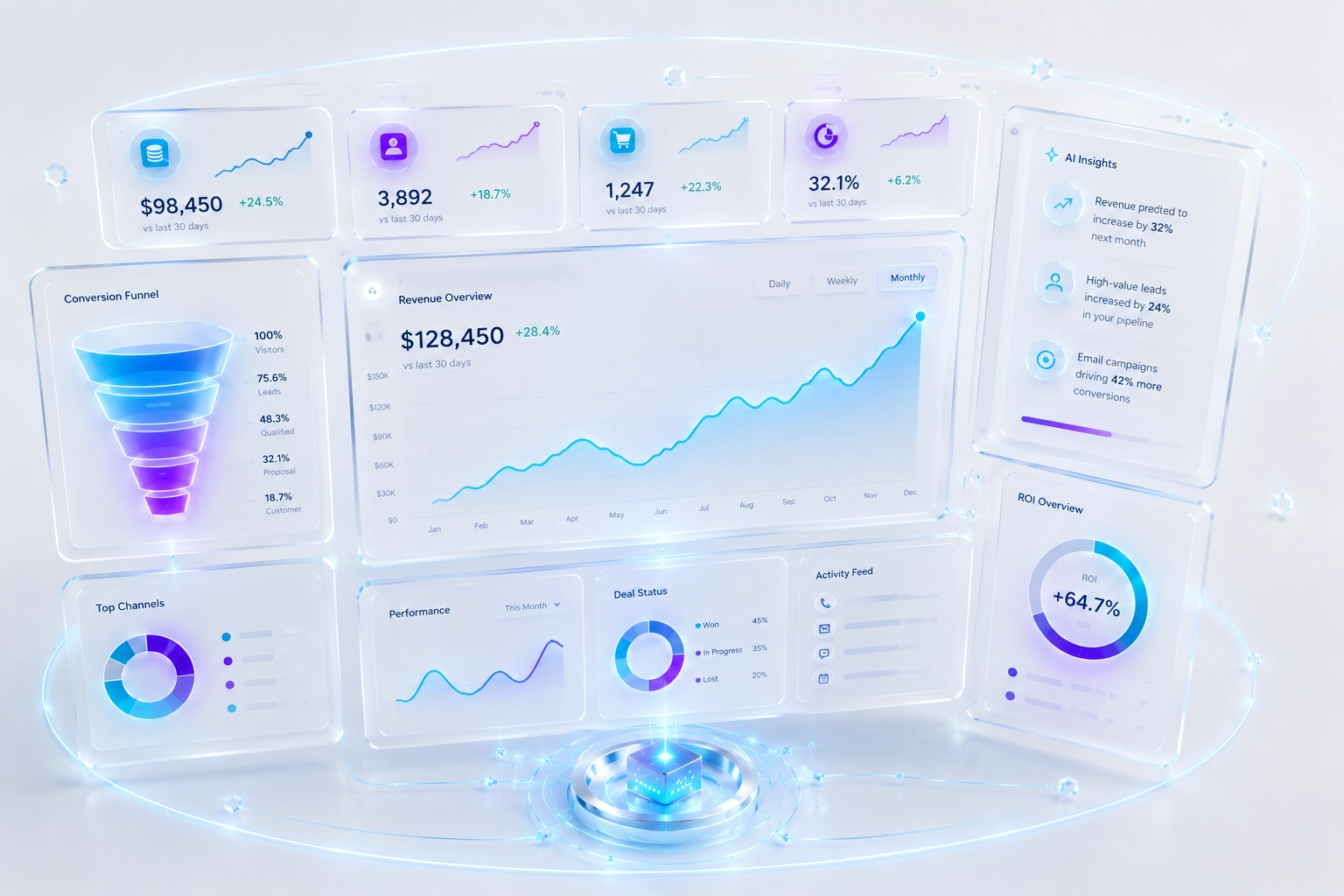
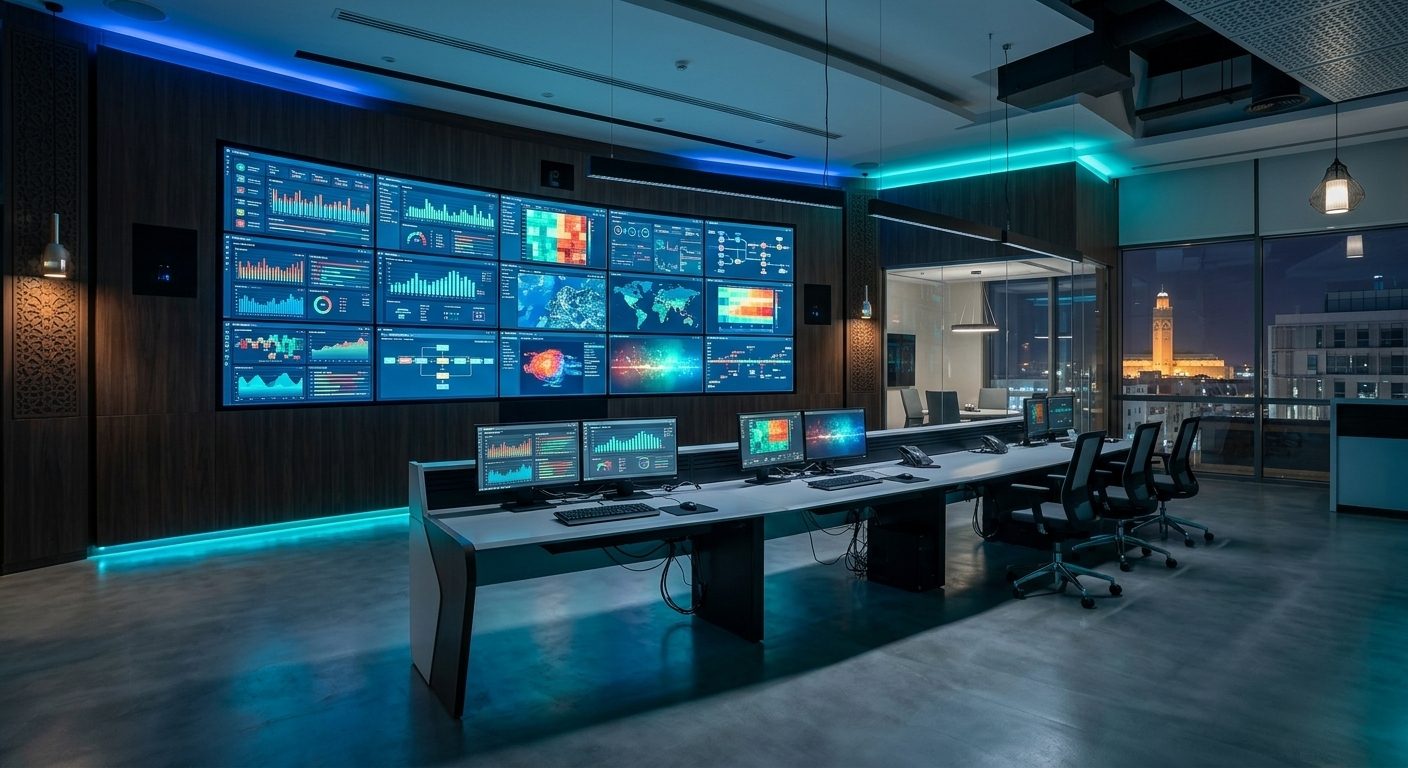
- Data Visualization (Dashboards): Intuitive dashboards, accessible via mobile app development in Dubai, displaying real-time NZE status (production vs. consumption) are essential for occupant engagement.
- Promoting NZE Expertise: Consultants specializing in this field should partner with a personal branding agency in Dubai to position themselves as undisputed authorities in NZE engineering.
V. Concrete NZE Solar Success Case Studies
Analyzing successful examples provides practical and inspiring lessons.
V.A. Case Study 1: Urban NZE School Complex (Cold/Temperate Climate)
Location: Northeast American Region. Challenge: Minimizing heating load during winter and maximizing production on limited roof space, with a large load related to lighting and ventilation.
- Solar/Efficiency Strategy: Triple glazing with high SHGC on south façades (for passive solar gain in winter) and low SHGC on east/west façades.
- Production: Use of high-efficiency HJT panels on flat roofs, mounted on tilted ballasted systems to avoid roof penetration.
- Storage: A 2 MWh Lithium-Ion battery storage system was installed in a dedicated machine room to cover peak hours after classes and for resilience.
- Lesson Learned: The successful integration of geothermal heat for heating/cooling reduced the HVAC load by 70%, allowing the PV to only offset the residual need and lighting.
V.B. Case Study 2: Residential NZE District (Arid/Hot Climate)
Location: High solar irradiation zone, for example, a new development near Abu Dhabi. Challenge: Managing the enormous summer cooling load and the impact of dust.
- Building Strategy: Heavy masonry walls with high thermal mass. Dynamic window shading. Use of absorption/desorption HVAC systems partially powered by solar thermal (for preheating air).
- BIPV Production: Integration of PV tiles on pitched roofs, harmonizing with local architecture. Bifacial panels were installed on carport structures to maximize energy captured on both sides.
- Digitization and Maintenance: The developer relied on website development Dubai & UAE to create a management application that automates the scheduling of robotic panel cleaning and adjusts the HVAC based on resident occupancy forecasts.
- Lesson Learned: In hot climates, investing in more efficient HVAC technologies (like advanced evaporative cooling or absorption) is more cost-effective long-term than attempting to overcompensate with PV.
V.C. Case Study 3: NZE Office Skyscraper (Active Façade)
Location: High-density Asian megacity. Challenge: Negligible roof area; need for vertical production on the façade.
- BIPV Façade Strategy: Implementation of a semi-transparent Thin Film PV Façade curtain wall. Although efficiency per square meter is lower than rooftop PV, the large available surface area allows for significant production.
- Storage and Grid: Large-capacity ESS system for peak shaving and providing backup power to critical systems. Use of AI for Grid Interaction management, selling excess production to the grid when prices are high.
- Lesson Learned: Façade BIPV requires unprecedented architectural and structural coordination. Companies mastering this data integration (BIM, PV, Storage) are highly valued, especially by partnering with a web design agency Dubai & UAE to present their portfolio immersively.
VI. The Next Wave: NZE Prospectus 2030
The rapid evolution of technologies suggests that today's NZE will be tomorrow's obsolete. The future NZE will be distributed, smart, and decentralized.
VI.A. Net Zero Energy Cities and District Scale
Attention is shifting from the individual building to the neighborhood or the entire city.
- Smart Grids: NZEs will integrate into local networks (Microgrids) that manage energy at the district level, exchanging excess production between different buildings (e.g., an office building produces during the day, a residence in the evening).
- Electric Vehicles (EVs) and V2G (Vehicle-to-Grid): The EV fleet (buses, cars) will become a mobile energy storage element. The ability to discharge energy from the EV battery to the building or the grid (V2G) is a revolution in the NZE equation, transforming every parking lot into a potential power plant.
VI.B. The Growing Importance of Material Circularity
Sustainability concerns not only operation but also the life cycle of materials.
- Recyclable PV: The development of efficient recycling processes for silicon and other metals contained in solar panels is a regulatory priority. Future panels will be designed for easier disassembly and reuse.
- Bio-based and Low-Carbon Materials: The use of low-carbon footprint construction materials (Cross-Laminated Timber, low-carbon concrete) is essential to achieve the stricter goal of Total Net Zero Carbon (Whole-Life Net Zero), which includes Embodied Carbon from construction.
VI.C. Solar Energy and Digital Services: The New Link
Companies succeeding in the NZE era are those that leverage digital tools for management, promotion, and sales.
- Service Platforms: Highly secure web platforms, provided by marketing consultancy Dubai experts, will allow investors to track the ESG performance of their NZE real estate assets worldwide.
- Performance-Based Financing and Insurance: Digital tools will provide proof of energy performance and climate risk reduction, enabling access to more advantageous financing (green loans) and lower insurance premiums. The ability to present this data transparently via a web agency Dubai becomes a competitive factor.
VII. Detailed NZE Expert FAQ (Frequently Asked Questions)
This section covers the most common questions asked by professionals and investors about NZE solar integration in 2025.
Q. How can I guarantee the efficiency of my BIPV system, given the efficiency loss due to heat?
The challenge is not to guarantee maximum panel efficiency (which is always measured under laboratory conditions, 25°C), but to guarantee back ventilation and the use of appropriate technology. In very hot climates, you must prioritize panels with a low temperature coefficient (e.g., HJT panels) and design the façade or roof to maximize air convection. BIPV that also acts as a ventilated sunshade (double-skin façade) can help reduce both panel temperature and building cooling load. Integrating PV temperature sensors and monitoring via a system developed by a web agency Dubai & UAE are also critical.
Q. Is NZE achievable in a skyscraper where the roof area is too small for PV?
Yes, but the model is different: it's a Community or Network NZE.
- Maximum Load Reduction: The skyscraper must first be an "Ultra-Low Energy Building" through perfect insulation, heat recovery systems, and active or electrochromic glazing.
- Off-site Production: The residual energy deficit can be offset by investing in an off-site Community Solar Garden or by purchasing verified and traceable renewable energy (Green Power Purchase Agreements - PPAs).
- Façade BIPV: Use the façades. Even with lower efficiency, the cumulative area of a BIPV façade can provide a significant portion of the energy, as demonstrated by certain projects promoted by consultants via their website Dubai & UAE.
Q. What is the main design mistake made by developers in hot climates?
The main mistake is the incorrect sizing of the HVAC and humidity management (latent load). NZE involves very air-tight buildings. If outside air is not properly dehumidified and ventilated, moisture accumulates. This not only causes discomfort and indoor air quality problems but also forces HVAC systems to work harder, significantly increasing the residual energy demand. The solution lies in integrating Energy Recovery Ventilation (ERV) systems or Dedicated Outdoor Air Systems (DOAS) to manage the latent load separately from the sensible load.
Q. What is the impact of solar integration on the resale value (ROI) of an asset?
NZE solar integration significantly increases the resale value (often a 5% to 10% premium) for three main reasons:
- Reduced Operating Costs: Eliminating energy bills is an immediately transferable positive cash flow to the new buyer.
- Resilience and Security: The capacity for autonomy via storage (in case of grid failure) is a major security asset.
- Future Regulatory Compliance: NZE buildings are Future-Proofed against future carbon taxes and stricter building codes. Experts in marketing consultancy Dubai emphasize the appeal of sustainability and efficiency to institutional buyers and real estate funds.
Q. How can mobile application development optimize the user experience in an NZE?
Mobile app development in Dubai is essential for the modern NZE, acting as the building's control and information center. The application allows occupants to:
- Visualize Impact: See solar production, CO2 savings, and battery status in real-time.
- Active Control: Adjust lighting, temperature, and dynamic shading remotely, informing BAS systems for optimized energy management.
- Engagement: "Gamification" elements encourage occupants to modify their behavior to help the building maintain its NZE status. The application is the bridge between complex technology and the end-user.


