






































The pursuit of Net Zero Energy (ZNE) buildings has transcended from an aspirational goal to an urgent imperative in the global fight against climate change. These structures are meticulously designed to produce as much renewable energy as they consume annually, thereby dramatically reducing their carbon footprint and operational costs. At the heart of achieving ZNE status lies the strategic and efficient integration of solar energy systems, primarily photovoltaic (PV) panels. In a region as dynamic and forward-thinking as Dubai and the wider UAE, where visionary urban development meets abundant sunshine, the potential for solar-powered ZNE buildings is not just immense but foundational to its sustainable future. This comprehensive guide delves into the intricate best practices for designing, integrating, and optimizing solar energy solutions to transform buildings into self-sufficient, environmentally responsible entities. Understanding these principles is paramount for architects, engineers, developers, and policymakers aiming to contribute to a greener built environment. The journey towards a net-zero future is complex, involving cutting-edge technology, innovative design strategies, and a deep commitment to sustainability, all of which are critical for Dubai's ambitious environmental targets and its position as a global leader in green innovation. The effective implementation of solar technologies requires a holistic approach, considering everything from initial site analysis and architectural integration to ongoing maintenance and performance monitoring, ensuring that every watt of sunshine is harnessed efficiently to power the buildings of tomorrow.
Foundations: Defining Net Zero, Solar Energy, and Core Principles
Net Zero Energy (ZNE) buildings, often referred to as zero-energy buildings (ZEB) or net-zero energy consumption buildings, represent the pinnacle of energy efficiency and renewable energy integration within the built environment. A ZNE building is characterized by its ability to achieve a net annual energy consumption of zero, meaning the amount of energy provided by on-site renewable energy sources (like solar PV) is equal to the amount of energy consumed by the building over a year. This definition extends beyond mere energy savings; it encompasses a complete lifecycle approach to energy management, from design and construction to operation and eventual decommissioning. The concept is rooted in minimizing energy demand first through passive design strategies and hyper-efficient systems, and then meeting the remaining minimal demand with clean, on-site energy generation. For a website creation agency in Dubai & UAE, understanding these technical definitions is key to accurately portraying a client's commitment to sustainability on their digital platforms.
Solar energy, the foundational pillar of ZNE buildings, refers to the radiant light and heat from the sun that is harnessed using a range of ever-evolving technologies such as solar heating, photovoltaics (PV), solar thermal energy, solar architecture, and artificial photosynthesis. In the context of ZNE buildings, photovoltaics (PV) are the most common and critical technology, converting sunlight directly into electricity using semiconductor materials. Solar PV systems are integral to providing the clean, renewable power needed to offset a building's energy consumption. The core principles of integrating solar energy into ZNE buildings include: maximizing energy efficiency first (reducing the load before adding generation), optimizing solar resource availability (siting and orientation for maximum sun exposure), selecting appropriate solar technologies (considering efficiency, aesthetics, and cost), seamless architectural integration (making solar an intrinsic part of the building's design), and smart energy management (using advanced controls and storage to balance supply and demand). These principles ensure that solar energy is not merely an add-on, but a fundamental component of the building's energy ecosystem.
Tendances actuelles & statistiques récentes (2024/2025)
The global landscape for solar energy and Net Zero Energy buildings is experiencing unprecedented growth, driven by technological advancements, favorable policies, and increasing environmental awareness. For 2024-2025, several key trends are defining this sector, particularly within high-growth regions like Dubai and the UAE. We are seeing a significant shift towards more sophisticated building-integrated photovoltaics (BIPV), where solar panels are not just installed on roofs but are seamlessly integrated into facades, windows, and even shading elements, becoming an integral part of the architectural aesthetic and structural design. This trend is crucial for urban environments where space is at a premium, allowing for multi-functional use of building surfaces. Additionally, the efficiency of PV cells continues to improve, with commercial modules now regularly exceeding 22% efficiency, and new perovskite and tandem cell technologies promising even higher outputs in the near future. This means more power can be generated from smaller areas, making ZNE goals more attainable for a wider range of building types. Furthermore, the role of energy storage, primarily advanced battery systems, is becoming indispensable. As solar power is intermittent, robust energy storage solutions are essential for maintaining a stable energy supply and truly achieving net-zero status by bridging periods of low solar generation. Smart grid integration and demand-side management platforms are also maturing, allowing ZNE buildings to interact intelligently with the broader energy network, optimizing consumption and contributing to grid stability.
L'essor des technologies solaires intelligentes et de l'IA
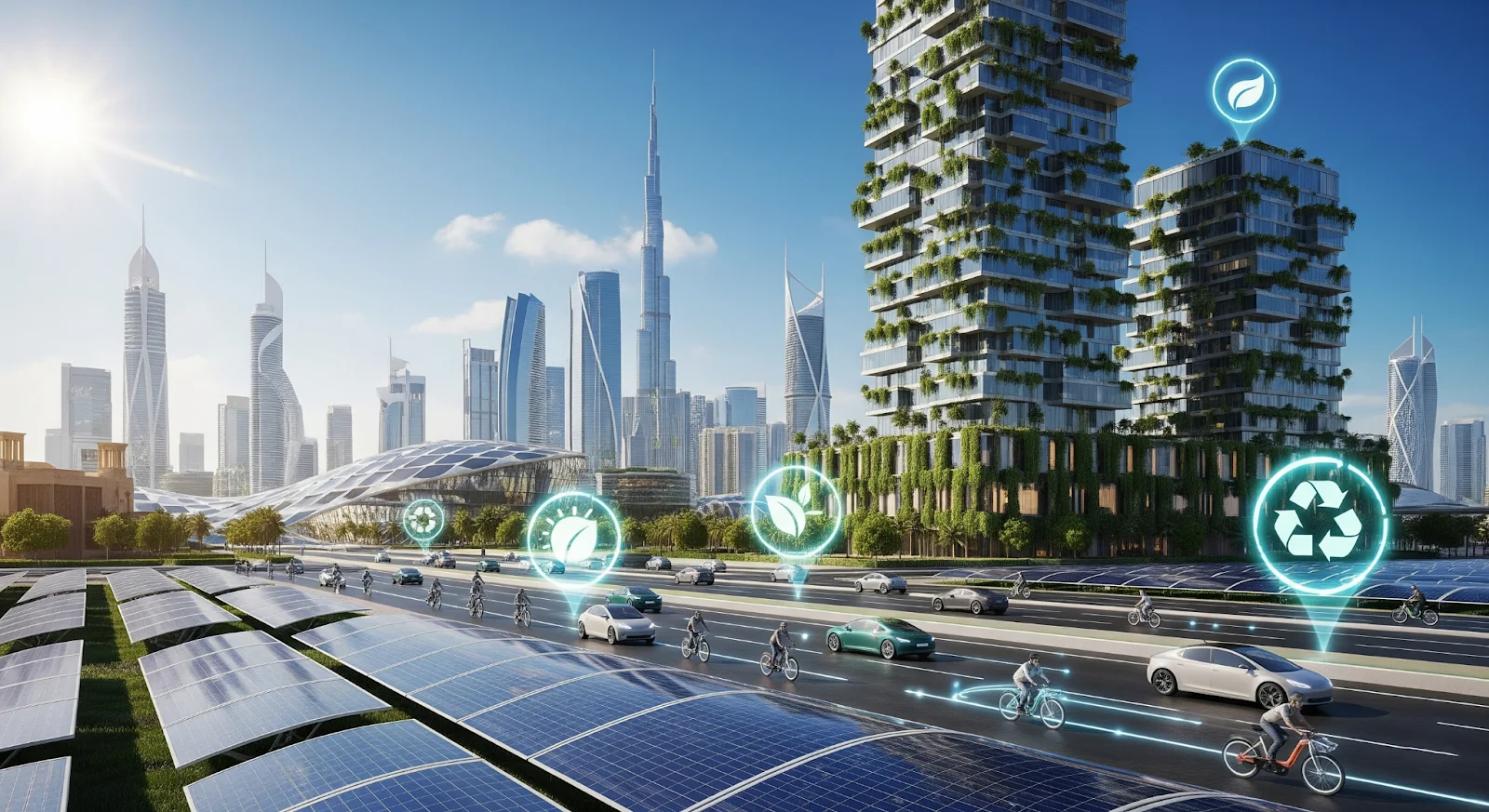
One of the most transformative trends for 2024-2025 is the integration of artificial intelligence (AI) and machine learning (ML) into solar energy management for ZNE buildings. AI algorithms are now being used to optimize energy generation and consumption patterns, predicting solar output based on weather forecasts, historical data, and even real-time shading analysis. This allows building management systems to intelligently distribute power, charge and discharge batteries more efficiently, and even communicate with the grid to sell surplus energy at peak prices. Smart inverters, equipped with advanced algorithms, can dynamically adjust power output to maximize efficiency and ensure grid stability. Predictive maintenance, another AI application, analyzes sensor data from solar panels and associated equipment to detect potential failures before they occur, reducing downtime and extending system lifespan. For a marketing consultancy agency in Dubai, highlighting these technological advancements in sustainable building projects can be a powerful differentiator. The increasing sophistication of these intelligent systems is paving the way for truly autonomous ZNE buildings that adapt to changing conditions with minimal human intervention, making the dream of energy independence a tangible reality.
Le rôle croissant de l'économie circulaire et de la durabilité des matériaux
Beyond energy generation, the focus in ZNE buildings and solar integration is shifting towards a holistic understanding of sustainability, embracing circular economy principles. This means considering the entire lifecycle of solar PV systems and building materials – from responsible sourcing and manufacturing to end-of-life recycling and reuse. In 2024-2025, there's a growing emphasis on using low-carbon, recycled, and regionally sourced materials for ZNE building construction, minimizing embodied energy. For solar panels themselves, manufacturers are increasingly developing strategies for recycling modules, recovering valuable materials like silicon, silver, and copper. Policies are emerging globally, and particularly in advanced markets like the UAE, to mandate producer responsibility for PV recycling. This trend not only reduces environmental impact but also creates new economic opportunities in the recycling and refurbishment sectors. The drive towards durable, long-lasting solar components that are designed for disassembly and reuse is paramount, ensuring that the very tools used to achieve net-zero goals are themselves sustainable throughout their existence. This comprehensive approach to sustainability is critical for long-term environmental stewardship.
Comparatif des principales options / solutions
When designing and integrating solar energy for Net Zero Energy buildings, a crucial step involves comparing the various photovoltaic (PV) technologies and installation methods available. Each option presents unique advantages and disadvantages in terms of efficiency, aesthetics, cost, and suitability for different building types and climates, especially in a sun-rich environment like Dubai. Understanding these distinctions is fundamental to making informed decisions that align with both performance goals and architectural vision. The primary PV technologies include monocrystalline, polycrystalline, and thin-film solar panels, each with distinct characteristics. Installation methods range from conventional rooftop arrays to advanced building-integrated photovoltaics (BIPV) and innovative solar shading systems. The choice impacts not only the energy output but also the visual impact, structural requirements, and overall cost-effectiveness of the ZNE project.
Tableau comparatif détaillé des technologies solaires PV
Guide pratique: Optimiser l'intégration solaire pour les bâtiments ZNE
Achieving optimal solar integration for ZNE buildings requires a meticulous, multi-stage approach, ensuring that every design decision contributes to the overarching goal of energy self-sufficiency. This guide outlines three critical steps, from initial assessment to ongoing optimization, focusing on practical considerations relevant for projects in a high-solar insolation region like Dubai and the UAE.
Étape 1: Évaluation holistique du site et conception passive
Before even considering solar panel installation, a thorough site assessment is paramount. This involves analyzing sun paths throughout the year, identifying potential shading from adjacent buildings or future developments, and understanding prevailing wind patterns for natural ventilation. Simultaneously, integrating passive design strategies is crucial. This means orienting the building to maximize daylight and minimize solar heat gain, optimizing window-to-wall ratios, and employing high-performance insulation. The goal is to dramatically reduce the building's energy demand from the outset, making the net-zero target more achievable with a smaller solar array.
Étape 2: Sélection technologique et intégration architecturale
Once the energy load is minimized, select the most suitable solar PV technology based on efficiency, aesthetics, cost, and available surface area. For architects and developers, integrating the solar panels seamlessly into the building's design is key. This could involve rooftop installations that are visually appealing, or advanced BIPV solutions for facades and shading. For a web agency in Dubai & UAE developing a platform for a ZNE building, showcasing this harmonious integration through compelling visuals is vital for communicating value. The aim is for solar elements to enhance, rather than detract from, the building’s architectural intent.
Étape 3: Systèmes de stockage, gestion intelligente et surveillance
To ensure true net-zero performance, integrate energy storage solutions, typically advanced battery systems, to store excess solar energy for use during periods of low generation or high demand. Implement smart energy management systems (EMS) that use AI to monitor consumption, predict generation, and optimize energy flow throughout the building and with the grid. Continuous monitoring and data analysis are crucial for identifying performance gaps and fine-tuning the system, ensuring sustained ZNE operation over the building's lifespan.
Common Errors and Myths to Debunk in ZNE Solar Integration
While the vision of Net Zero Energy (ZNE) buildings powered by solar energy is compelling, the path to achieving it is often fraught with common misconceptions and errors that can undermine the project's success. Dispelling these myths and understanding potential pitfalls is critical for developers, designers, and future occupants, especially in a rapidly evolving market like the UAE where innovation meets diverse construction practices. Addressing these issues proactively ensures that projects are not only technically sound but also financially viable and aesthetically pleasing. A strong understanding of these challenges can help a website development agency in Dubai better articulate the real-world solutions and benefits of ZNE buildings, going beyond superficial marketing claims.
Myth 1: Solar panels are always unsightly and compromise architectural design.
This is perhaps one of the most persistent myths, largely based on outdated images of bulky, obtrusive solar arrays. Modern solar technology, particularly Building-Integrated Photovoltaics (BIPV), has revolutionized the aesthetic potential of solar energy. BIPV solutions allow solar cells to be seamlessly integrated into building materials like roofing tiles, façade panels, windows, and even shading elements, effectively making the solar collector an intrinsic and often beautiful part of the architecture. In Dubai, with its emphasis on avant-garde design, BIPV offers immense opportunities to create visually striking, high-performance buildings where solar elements are celebrated rather than hidden. Architects now have a palette of colored, transparent, and textured solar modules to work with, transforming functional components into design features that enhance the building's overall aesthetic appeal.
Myth 2: ZNE buildings with solar are prohibitively expensive and offer poor ROI.
While the initial capital investment for ZNE buildings with advanced solar integration can be higher than conventional construction, the notion that they are "prohibitively expensive" without good returns is largely outdated. Lifecycle cost analysis consistently demonstrates that ZNE buildings often have a lower total cost of ownership over their lifespan. This is due to significantly reduced or eliminated energy bills, lower maintenance costs for high-quality, durable components, and potential incentives or rebates for green building certifications. Furthermore, ZNE buildings often command higher property values and attract environmentally conscious tenants or buyers, offering a premium in the market. As solar technology costs continue to fall and energy prices rise, the payback period for ZNE investments is shrinking, making them an increasingly attractive financial proposition.
Myth 3: More solar panels always mean a better ZNE building.
This is a common misstep. The fundamental principle of ZNE design is to first minimize energy demand through passive design strategies and extreme efficiency, and only then size the solar system to meet the remaining, reduced load. Simply adding more solar panels to an inefficient building is a costly and often ineffective approach. An oversized solar array on a leaky, poorly insulated building with inefficient HVAC systems wastes resources and does not address the root cause of high energy consumption. True ZNE design prioritizes a "fabric first" approach – optimizing the building envelope, maximizing natural light and ventilation, and installing ultra-efficient appliances and mechanical systems. Only after these measures are fully implemented should the solar PV system be designed to precisely offset the minimal remaining energy needs.
Best Practices: Advanced Strategies for Peak Performance
Integrated Design Process (IDP) from Conception to Completion
An Integrated Design Process (IDP) is not merely a recommendation but a foundational best practice for ZNE buildings. It brings together all stakeholders – architects, engineers (structural, mechanical, electrical), energy consultants, landscape designers, and even facility managers – from the very initial stages of conceptualization. This collaborative approach ensures that all systems and components are considered in concert, leading to synergistic solutions that optimize performance, minimize conflicts, and identify opportunities for innovative integration. For a company focused on personal branding Dubai & UAE, being associated with such a meticulous and forward-thinking design process in sustainable construction can significantly elevate their market standing and reputation as leaders in responsible development. The IDP fosters a holistic view, where decisions about glazing, insulation, HVAC, and solar PV are made in conjunction, preventing costly redesigns and ensuring that the final building functions as a unified, high-performance energy system.
Optimized Solar Orientation and Shading Strategies
For solar energy integration, optimizing the building's orientation and employing intelligent shading strategies are paramount. In Dubai’s intense solar environment, this means not only maximizing direct sunlight capture for PV panels but also minimizing unwanted solar heat gain on non-PV surfaces. Architects should orient buildings to favor north-south exposures, where possible, to reduce east-west solar exposure which is harder to control. Advanced static and dynamic shading devices, such as louvers, overhangs, and external blinds, should be designed to block high-angle summer sun while allowing beneficial low-angle winter sun. These passive strategies significantly reduce the cooling load, thereby decreasing the amount of energy the solar system needs to generate, making the path to net-zero more efficient and cost-effective.
Advanced Energy Storage and Grid Interaction
Beyond on-site generation, truly advanced ZNE buildings incorporate sophisticated energy storage systems, predominantly lithium-ion batteries, to store surplus solar electricity and dispatch it when needed. This is crucial for load shifting, allowing the building to become less reliant on the grid during peak demand times or at night. Best practices extend to intelligent grid interaction: ZNE buildings should be designed as "grid-interactive efficient buildings" (GEBs) capable of communicating with the utility grid. This enables demand response participation, where the building can reduce or shift its energy consumption in response to grid signals, helping to stabilize the grid and potentially earning revenue for the building owner. This integration requires robust building management systems (BMS) and smart inverters that facilitate two-way communication and energy flow.
Performance Monitoring, Verification, and Commissioning
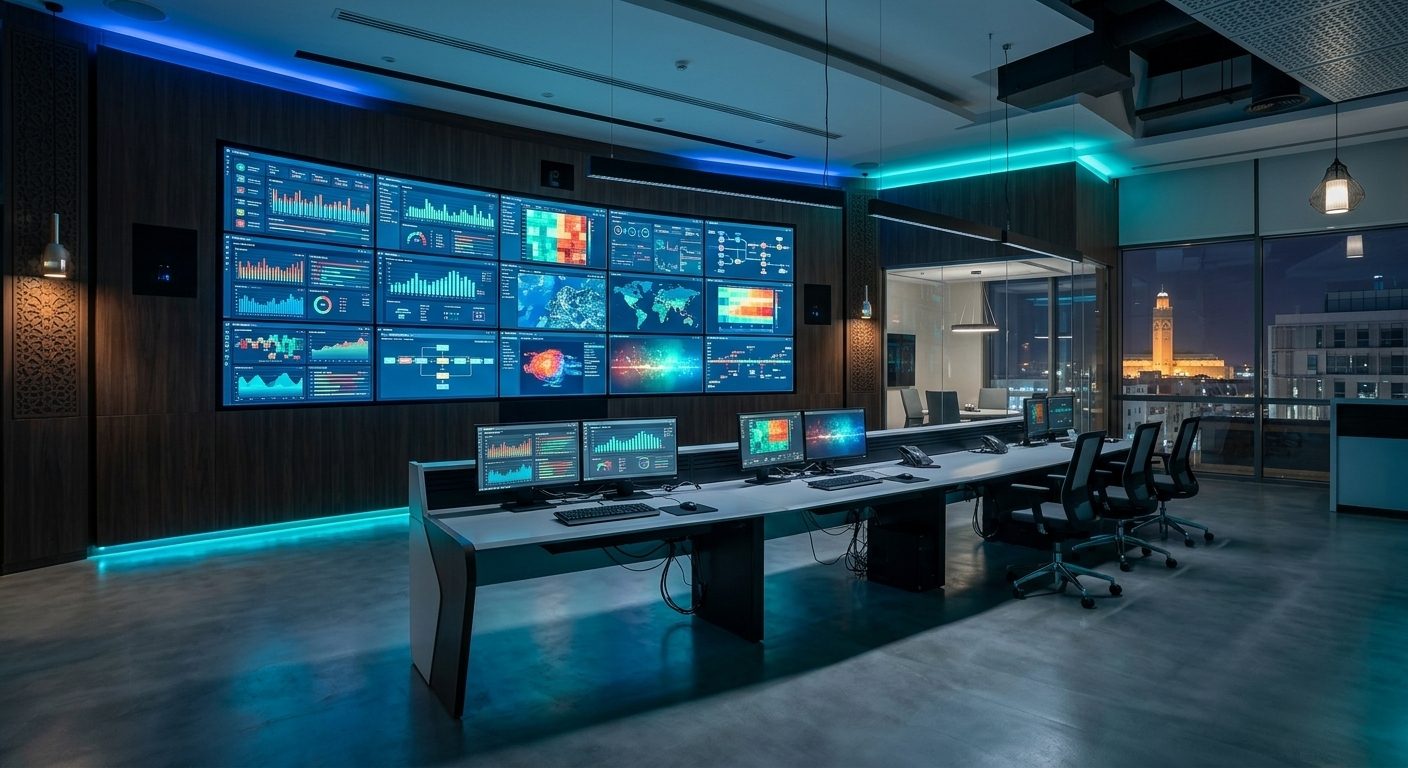
A ZNE building is not truly net-zero until its performance is rigorously monitored and verified. Best practices include implementing comprehensive metering and sub-metering systems to track energy generation and consumption in real-time. Post-occupancy evaluation (POE) and continuous commissioning are essential to identify any performance gaps between design intent and actual operation. This involves regularly analyzing data, optimizing building controls, and performing preventative maintenance on all systems, including the solar array. For a mobile app development agency in Dubai UAE, creating intuitive dashboards or applications for building occupants and managers to visualize and interact with this energy data can significantly enhance user engagement and promote energy-conscious behavior. This continuous feedback loop is vital for ensuring the building consistently meets its net-zero goals over its entire operational life.
Case Studies or Concrete Examples
While specific names of projects might vary, the principles seen in leading ZNE projects globally offer powerful lessons for Dubai. Consider the Bullitt Center in Seattle, often dubbed "the greenest commercial building in the world." It achieved Living Building Challenge certification, which is more stringent than ZNE, by generating all its energy on-site via an expansive rooftop solar array. Its success lies not just in the solar panels, but in its extremely efficient design: high-performance windows, geothermal heating and cooling, natural ventilation, and daylighting strategies that drastically reduced energy demand before any solar panel was installed. Another notable example is the new California Academy of Sciences building, which integrates a 2.5-acre living roof that provides natural insulation and stormwater management, coupled with solar panels that cover its energy needs. These examples demonstrate a holistic design philosophy where solar integration is one component of a much larger, interconnected sustainable system. For a marketing consultancy agency in Dubai, highlighting such internationally recognized benchmarks can inspire local developers and showcase the true potential of integrated green solutions.
Closer to home, Masdar City in Abu Dhabi, while a larger urban development, showcases principles directly applicable to ZNE buildings in the UAE. Many of its individual buildings aim for high sustainability ratings, utilizing passive design principles tailored to the desert climate – narrow streets for self-shading, carefully oriented buildings, high thermal mass, and extensive use of solar PV for electricity generation and solar thermal for hot water. Projects within Masdar demonstrate effective cooling strategies that minimize active energy consumption, making the task of achieving net-zero with solar far more feasible. The "Siemens Building" within Masdar City is a prime example of an ultra-low energy building, which, while not strictly ZNE, implements many of the passive and active strategies, including significant rooftop solar, that pave the way for future ZNE commercial structures across the region. These regional precedents provide invaluable insights into climate-specific challenges and solutions for solar energy integration.
The 2025 Digital Shift: What Dubai Businesses Need to Know About Sustainable Infrastructure
The future of solar energy integration for Net Zero Energy buildings is poised for significant transformation, driven by ongoing technological innovation, evolving policy frameworks, and increasing societal demand for sustainable infrastructure. Looking ahead to 2025 and beyond, several key prospects will shape this vital sector, particularly in forward-thinking urban centers like Dubai. We anticipate a rapid acceleration in the adoption of advanced materials science in PV technology, leading to even higher efficiency rates and more versatile applications. This includes the widespread commercialization of perovskite solar cells, which offer not only superior performance but also flexibility and transparency, opening new avenues for aesthetic integration into building facades and windows. The concept of "energy skins" – entire building envelopes designed as active energy generators – will become more commonplace, blurring the lines between building materials and energy infrastructure.
Furthermore, the synergy between solar PV and electric vehicle (EV) charging infrastructure will deepen considerably. ZNE buildings will increasingly function as micro-grids, providing renewable energy to power the growing fleet of EVs, thereby extending the net-zero principle to transportation. This integration will necessitate robust smart grid technologies and sophisticated energy management systems capable of dynamic load balancing between building consumption, on-site generation, energy storage, and EV charging. The rise of community-level ZNE developments, where clusters of buildings share and optimize renewable energy resources, will also gain traction. This collaborative approach can enhance resilience, improve energy equity, and lead to more efficient use of shared resources. The regulatory environment is expected to further incentivize ZNE construction through stricter building codes, performance-based targets, and green financing mechanisms, making sustainable development not just an environmental choice but a financial imperative.
Beyond the Grid: Empowering Your Sustainable Future with Solar
What exactly is a Net Zero Energy (ZNE) building, and why is solar crucial for it?
A Net Zero Energy (ZNE) building is a structure that produces as much renewable energy on-site as it consumes over the course of a year, resulting in a net annual energy balance of zero. Solar energy, primarily through photovoltaic (PV) panels, is absolutely crucial because it provides the clean, on-site electricity generation needed to offset the building's energy demand. Without a reliable, renewable energy source like solar, achieving true energy independence and environmental sustainability for a building would be impossible, as it would still rely on external, often fossil-fuel-based, power.
How do ZNE buildings deal with intermittent solar production (e.g., at night or on cloudy days)?
ZNE buildings address the intermittency of solar production through a combination of strategies. Firstly, they are designed with extreme energy efficiency, minimizing demand regardless of weather or time. Secondly, they integrate advanced energy storage systems, typically batteries, to store surplus solar energy generated during sunny periods for use when solar production is low. Lastly, ZNE buildings are often connected to the utility grid, acting as a virtual battery by drawing power when needed and feeding excess power back when available, effectively balancing supply and demand over the year.
What are the primary challenges of integrating solar into existing buildings in Dubai?
Integrating solar into existing buildings in Dubai presents several challenges, including limited suitable roof space, structural limitations of older buildings to support solar arrays, potential shading from adjacent high-rises, and the complexity of retrofitting existing electrical systems. Aesthetic considerations are also significant, as historical or architecturally sensitive buildings require careful integration. Navigating local regulations and ensuring cost-effectiveness without disrupting ongoing operations are also key hurdles that require specialized planning and execution.
Are there financial incentives or government support for ZNE solar projects in the UAE?
Yes, the UAE government, particularly in Dubai and Abu Dhabi, has implemented various initiatives and incentives to promote renewable energy and sustainable building practices. These include frameworks like the Dubai Green Building Regulations and Specifications, which mandate certain energy efficiency standards, and potential funding programs or favorable loan terms for green projects. DEWA (Dubai Electricity and Water Authority) also has initiatives like the Shams Dubai program, which encourages residents and businesses to install solar PV panels and connect them to the grid, facilitating net metering for credits.
How does solar energy contribute to a building's overall sustainability beyond just electricity generation?
Solar energy contributes significantly to a building's overall sustainability beyond just electricity generation. By reducing reliance on fossil fuels, it dramatically lowers greenhouse gas emissions and air pollution. It also enhances energy independence and resilience, making buildings less vulnerable to energy price fluctuations. Furthermore, the adoption of solar often encourages a holistic approach to green building, promoting water conservation, sustainable material use, and improved indoor environmental quality, all of which contribute to a healthier and more sustainable built environment.
What are the maintenance requirements for solar PV systems in the desert climate of Dubai?
Solar PV systems in Dubai's desert climate require specific maintenance to ensure optimal performance. The primary concern is dust accumulation, which can significantly reduce efficiency; regular cleaning (e.g., weekly or bi-weekly) is essential. High temperatures can also affect performance, so proper ventilation and module selection are important. Occasional inspections for module integrity, wiring connections, and inverter functionality are also necessary. Automated cleaning systems or specialized mobile app development agency in Dubai UAE solutions for remote monitoring can help manage these requirements effectively.
Your Blueprint for Net Zero: A Practical Implementation Checklist
- Conduct a Comprehensive Energy Audit and Baseline: Before any solar installation, thoroughly assess your building's current energy consumption patterns and identify areas for efficiency improvements. This baseline is critical for setting realistic ZNE targets and accurately sizing your solar PV system. Document all existing energy loads and identify potential reductions.
- Prioritize Passive Design and Energy Efficiency Measures: Implement passive strategies such as optimized building orientation, high-performance insulation, efficient glazing, natural ventilation, and daylighting. Upgrade to high-efficiency HVAC systems, LED lighting, and energy-star appliances. Reducing energy demand is always more cost-effective than generating it.
- Perform a Detailed Solar Resource Assessment: Analyze the specific solar insolation potential of your site, considering factors like roof area, orientation, tilt angle, and potential shading from surrounding structures or future developments. Use specialized software to simulate annual energy production and optimize panel placement for maximum yield.
- Select Appropriate Solar PV Technology and Seamless Integration: Choose between monocrystalline, polycrystalline, or thin-film panels based on efficiency needs, available space, aesthetic preferences, and budget. For new constructions, explore Building-Integrated Photovoltaics (BIPV) to integrate panels directly into the building's facade or roofing materials for a cohesive look.
- Design for Energy Storage and Smart Grid Compatibility: Incorporate battery storage solutions to manage solar intermittency and enable load shifting. Ensure your system includes smart inverters and energy management systems capable of monitoring real-time generation and consumption, and designed for future integration with smart grid initiatives.
- Establish Robust Monitoring, Verification, and Maintenance Protocols: Install comprehensive metering systems to track energy production and consumption post-occupancy. Develop a maintenance schedule for regular cleaning and inspections of solar panels and associated equipment. Continuous monitoring and data analysis are crucial for ensuring long-term ZNE performance and identifying optimization opportunities.


