




































Foundations: Unpacking the Science of Thermal Regulation in Architecture
The concept of smart thermo-regulating construction materials is rooted in advanced scientific principles that enable buildings to interact dynamically with their environment, rather than passively resisting it. At its core, these materials aim to control heat flow – absorption, reflection, and emission – in response to external temperature fluctuations and solar radiation. Traditional building materials, even with insulation, primarily act as barriers, slowing down heat transfer. Smart materials, however, possess adaptive properties. This can range from thermochromic coatings that change color (and thus reflectivity) with temperature, to phase-change materials (PCMs) that absorb and release latent heat as they transition between solid and liquid states, to aerogels that offer unparalleled insulation density, and even advanced cool pigments designed to reflect solar radiation more effectively across various spectra. The historical evolution of thermal management in architecture has progressed from thick stone walls and passive ventilation in ancient structures, through the advent of synthetic insulation in the 20th century, to today's bio-inspired and nanotechnology-driven solutions. Early attempts at regulating building temperatures involved simple yet effective techniques like whitewashing to reflect sunlight or designing internal courtyards to create microclimates. The industrial revolution brought about new construction methods and materials, but also an increased reliance on mechanical cooling. It wasn't until the late 20th and early 21st centuries that the urgency of climate change and energy conservation truly spurred innovation in materials science, leading to the development of intelligent, responsive facades and structural components. Key principles underpinning these materials include:

The integration of these materials fundamentally redefines the thermal envelope of a building, transforming it from a static barrier into an active participant in climate control. This shift is particularly critical for regions like the UAE, where solar heat gain is the primary driver of cooling loads, offering a sustainable pathway to achieving comfortable indoor environments while drastically cutting energy consumption. A marketing consultancy agency in Dubai can play a pivotal role in educating the market about the long-term benefits and ROI of adopting these advanced construction techniques, showcasing how an initial investment yields substantial energy savings and enhanced occupant comfort over the building's lifecycle. Moreover, for businesses looking to establish a strong online presence and educate their audience about these sustainable innovations, collaborating with a website creation agency in Dubai & UAE becomes essential to articulate the value proposition effectively.
Tendances actuelles & statistiques récentes (2024/2025): Dubai's Blueprint for Sustainable Construction
The global construction industry is undergoing a profound transformation, driven by an urgent need for energy efficiency and sustainability. In the UAE, especially in Dubai, this shift is not merely a trend but a strategic imperative, deeply embedded in national visions like UAE Centennial 2071 and Dubai Clean Energy Strategy 2050. The focus on smart thermo-regulating materials is intensifying, backed by robust investments in R&D and pilot projects. Recent statistics highlight the critical role these materials will play. Buildings currently account for a significant portion of global energy consumption, often exceeding 30-40%, with HVAC systems being the primary energy guzzlers in hot climates. In Dubai, air conditioning can represent up to 70% of a building's electricity demand during peak summer months. This staggering figure underscores the potential impact of materials that can reduce heat gain directly at the source. The market for smart materials in construction is projected to grow substantially, with compound annual growth rates (CAGR) often in double digits, driven by stricter building codes, increasing environmental awareness, and a growing demand for healthier, more comfortable indoor environments. Innovation is particularly vibrant in the areas of self-healing concrete, smart glass, and advanced insulation. For instance, companies are developing smart windows that can dynamically adjust their transparency and solar heat gain coefficient based on real-time weather data or occupant preferences, controlled via smart building management systems. Furthermore, the integration of IoT sensors within building envelopes is enabling predictive thermal management, where materials adapt even before external conditions become extreme, optimizing energy usage proactively. The MENA region, with its unique climatic challenges, is becoming a hotspot for testing and deploying these innovations, showcasing their effectiveness in extreme heat. The architectural landscape of Dubai, characterized by iconic skyscrapers and ambitious urban developments, offers an ideal canvas for integrating these high-tech solutions. Local government initiatives and incentives for green building certifications further accelerate their adoption, positioning the UAE as a leader in sustainable urban development.
The Rise of Adaptive Facades and Smart Glazing in UAE Skyscrapers
In Dubai's skyline, adaptive facades are no longer conceptual but are rapidly becoming a reality. These dynamic building envelopes are designed to automatically or semi-automatically adjust their properties in response to environmental stimuli. This includes not only smart glazing that can switch between transparent and opaque states or alter its tint to control solar heat gain but also kinetic facades that incorporate moving elements to provide shade or optimize natural ventilation. These systems often integrate electrochromic glass, which changes opacity with an electrical current, or thermochromic materials that react directly to temperature. The benefit is twofold: a significant reduction in solar heat absorption, directly lessening the load on air conditioning systems, and an improvement in occupant comfort by controlling glare and maintaining stable indoor temperatures. For example, advancements in low-emissivity (low-e) coatings now allow windows to block infrared and ultraviolet light while permitting visible light, drastically cutting down on heat transfer without sacrificing natural light. The adoption of such technologies is particularly critical for the extensive glass facades prevalent in Dubai’s modern architecture, where conventional glass can contribute to substantial heat buildup. The integration of these intelligent systems requires specialized expertise, which is where a discerning web agency in Dubai & UAE can demonstrate case studies of buildings successfully implementing these cutting-edge solutions, fostering greater trust and encouraging broader adoption.
Advanced Phase-Change Materials (PCMs) and Aerogels for Enhanced Thermal Mass
The next generation of building materials is leveraging the inherent thermal properties of matter to store and release heat. Phase-Change Materials (PCMs) are at the forefront of this innovation. These materials are engineered to melt and solidify at specific temperatures, absorbing vast amounts of latent heat during their phase transition. When integrated into plasterboards, concrete blocks, or insulation layers, PCMs act as thermal batteries, buffering indoor temperatures by absorbing excess heat during the hottest parts of the day and releasing it slowly as temperatures drop. This reduces peak cooling loads and smooths out temperature fluctuations, leading to a more stable and comfortable indoor environment. Similarly, aerogels, ultralight and highly porous materials, are gaining traction for their exceptional insulating properties. With thermal conductivities lower than still air, aerogels provide superior thermal resistance in minimal thickness, making them ideal for retrofitting existing buildings or for new constructions where space optimization is crucial. Their application in thin insulating panels, transparent insulation systems, and even smart coatings significantly enhances the thermal envelope without adding bulk. Both PCMs and aerogels offer a passive yet powerful mechanism for reducing reliance on active cooling systems, presenting a highly sustainable solution for the UAE's climate. A mobile app development agency in Dubai UAE could even conceptualize an application to monitor and optimize the performance of these materials in real-time within smart homes and commercial buildings.

Comparison of the Main Options / Solutions for Intelligent Thermal Management
Choosing the right smart thermo-regulating material involves understanding their distinct mechanisms, advantages, and ideal applications. While all aim to reduce AC loads, their approaches vary significantly. This comparison highlights the leading technologies and helps identify which might be best suited for different parts of a building or specific project requirements in the UAE.
Common Errors and Myths to Debunk: Navigating the Smart Material Landscape
The adoption of smart thermo-regulating materials, while promising, is often hindered by misconceptions and common mistakes in application. Understanding these pitfalls is crucial for ensuring successful implementation and maximizing energy savings in buildings, particularly in the challenging climate of the UAE.
Myth 1: Smart Materials are a "Set It and Forget It" Solution for AC Loads
Many believe that once installed, smart thermo-regulating materials automatically solve all cooling problems without further consideration. This is a significant oversimplification. While these materials drastically reduce passive heat gain, they are part of a larger ecosystem of building performance. For instance, phase-change materials require proper ventilation at night to "recharge" and release absorbed heat, preparing them for the next day's solar load. Smart windows need to be integrated with building management systems (BMS) for optimal control, or manually operated effectively. Without understanding the specific dynamics of each material and how it interacts with the building's overall design, orientation, and occupancy patterns, their full potential may not be realized. Effective integration means considering these materials as active components of a comprehensive thermal strategy, not isolated fixes. Neglecting this holistic approach can lead to suboptimal performance and missed opportunities for energy savings, undermining the very purpose of their installation. It's about smart design AND smart operation. Engaging with a competent website development agency in Dubai that can showcase interactive case studies of buildings where these systems are expertly managed can help educate potential clients and dispel this myth.
Myth 2: All "Green" Materials are Smart and Thermo-Regulating
The terms "green" and "smart" are often used interchangeably, leading to confusion. While many smart thermo-regulating materials contribute to green building certifications by reducing energy consumption, not all green materials possess dynamic thermal regulation properties. For example, recycled content concrete is green, but it doesn't actively adapt to temperature changes in the way PCMs or electrochromic glass do. Similarly, sustainable timber is an eco-friendly choice but lacks inherent thermo-regulating capabilities. It's vital for developers and consumers to differentiate between materials that are merely environmentally friendly and those that actively manage thermal performance. The "smart" aspect implies an adaptive or responsive quality to environmental conditions. Focusing solely on a material's green credentials without assessing its specific thermal performance can lead to suboptimal outcomes in energy-intensive climates like Dubai. For a mobile app development agency in Dubai UAE, developing an app that allows users to filter materials by both their green certifications and smart thermal properties could be a valuable tool in clarifying this distinction.
Myth 3: Smart Materials are Only for New, High-Budget Constructions
Another common misconception is that these advanced materials are exclusive to large-scale, high-budget new builds. While many cutting-edge smart materials are indeed premium, there's a growing range of cost-effective solutions suitable for retrofitting existing buildings and smaller projects. For instance, cool roof coatings can be applied to almost any existing roof surface at a fraction of the cost of a full roof replacement, offering immediate and significant energy savings. Similarly, PCM-enhanced plasterboards can be easily integrated during interior renovations. The increasing market competition and advancements in manufacturing are steadily driving down costs and expanding the accessibility of these technologies. Furthermore, the long-term energy savings and reduced operational costs often justify the initial investment, providing a strong return on investment (ROI) over the building's lifecycle. Many governments in the UAE are also offering incentives and subsidies for green building upgrades, making these technologies more financially viable for a broader range of projects. It's not just about the upfront cost, but the entire economic and environmental impact over decades.
Best Practices / Advanced Strategies for Optimal Thermal Management
Maximizing the benefits of smart thermo-regulating materials requires more than just installation; it demands a strategic, integrated approach that considers the entire building lifecycle and environmental context. Here are advanced strategies to unlock their full potential in the UAE.
Integrating Smart Materials with Intelligent Building Management Systems (IBMS)
The true power of smart materials is unleashed when they are seamlessly integrated with intelligent building management systems (IBMS). This allows for dynamic, real-time control and optimization. For example, electrochromic windows can automatically adjust their tint based on solar irradiance data from weather stations, occupancy sensors, and predicted energy tariffs. PCMs can be managed in conjunction with HVAC systems, ensuring optimal "charging" and "discharging" cycles. An IBMS can also monitor the performance of cool roofs, scheduling cleaning cycles to maintain reflectivity. This interconnectedness allows for predictive thermal management, where the building anticipates heat loads and proactively adjusts material properties to maintain comfort and minimize energy consumption. This level of automation ensures consistent performance and frees occupants from manual adjustments, making the building truly intelligent and responsive. This kind of advanced integration also helps in showcasing the building's smart credentials, which is critical for any personal branding Dubai & UAE initiative focused on sustainable luxury.
Holistic Design: Beyond Individual Material Selection
The most effective thermal strategies involve a holistic design approach where smart materials are selected and positioned in conjunction with passive design principles. This means considering building orientation, shading elements (e.g., brise-soleils, overhangs), natural ventilation pathways, and optimizing window-to-wall ratios. For instance, integrating smart glazing on west-facing facades, which receive intense afternoon sun, while employing high-performance opaque walls with embedded PCMs on other orientations, creates a multi-layered defense against heat. A well-designed building minimizes solar heat gain before it even reaches the smart materials, allowing them to perform more efficiently. This combined strategy amplifies energy savings and enhances occupant comfort significantly more than if smart materials were merely added to a poorly designed structure. It's about designing buildings that are inherently smart, not just equipped with smart components. This holistic vision is essential for a website creation agency in Dubai & UAE to portray when designing online portfolios for architects and developers.
Leveraging Digital Twins and Predictive Analytics for Performance Optimization
For large-scale and complex projects, the use of digital twins—virtual replicas of physical buildings—can revolutionize thermal management. Digital twins can simulate the real-time performance of smart materials under varying environmental conditions and occupancy scenarios. By integrating data from sensors embedded within the materials and external weather feeds, predictive analytics can forecast future thermal loads and recommend optimal adjustments to smart material properties or HVAC settings. This enables proactive rather than reactive energy management, allowing building operators to identify potential inefficiencies before they occur. It also provides invaluable data for ongoing research and development, refining material applications and demonstrating tangible energy savings, which is key for demonstrating the value of a branding Company in Dubai that emphasizes innovation.
Case Studies or Concrete Examples: Smart Thermal Solutions in Action
The theoretical benefits of smart thermo-regulating materials are best understood through real-world applications. Here are examples, both conceptual and realized, that illustrate their transformative impact on building efficiency, particularly within climates akin to the UAE.
The Al Bahr Towers, Abu Dhabi: A Beacon of Adaptive Facades

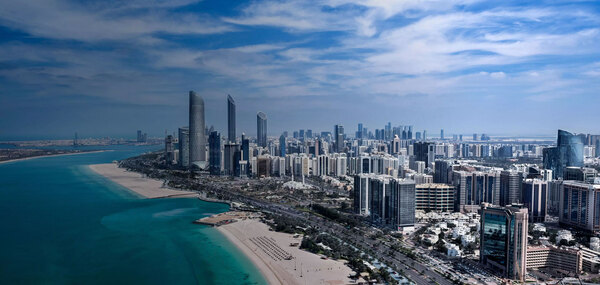
While not strictly "thermo-regulating materials" in the sense of PCMs, the Al Bahr Towers in Abu Dhabi perfectly exemplify a large-scale adaptive facade system that dynamically responds to solar conditions. The towers feature a unique 'mashrabiya' inspired kinetic facade comprising over 2,000 umbrella-like elements that automatically open and close in response to the sun's position. This intricate system acts as a secondary skin, significantly reducing solar heat gain and glare, thereby lowering the need for air conditioning by an estimated 20%. The design elegantly blends traditional regional architecture with cutting-edge engineering, demonstrating how intelligent building skins can drastically improve thermal performance in extreme climates. This project showcases the potential for buildings to intelligently interact with their environment, offering a compelling precedent for future developments across the UAE.
Sustainable City, Dubai: Embracing Passive and Active Smart Strategies
Dubai’s Sustainable City is a living laboratory for green building technologies, and while specific proprietary thermo-regulating materials might not be explicitly marketed, the entire development is predicated on principles that include advanced thermal management. Buildings are designed with optimal orientation, shaded courtyards, and high-performance insulation. Crucially, the community utilizes passive and active strategies to minimize cooling loads. This includes highly reflective roof materials and advanced glazing systems designed to reduce heat ingress. The integrated urban planning, combined with energy-efficient building envelopes, collectively contributes to significantly lower AC demands compared to conventional developments. It serves as an example of how a combination of smart design choices and technologically advanced components can create a thermally resilient environment.
Conceptual Project: PCM-Integrated Residential Units in Sharjah
Imagine a new residential development in Sharjah where every apartment incorporates Phase-Change Material (PCM) infused plasterboards in its ceiling and walls. During the scorching daytime, these PCMs would absorb excess heat, melting at around 24-26°C, effectively "storing" the heat and preventing it from raising indoor temperatures beyond a comfortable threshold. As evening approaches and outdoor temperatures drop, the PCMs would begin to solidify, releasing the stored heat back into the cooler indoor environment, thus delaying the need for heating (if any) or simply balancing the temperature. This passive regulation would significantly reduce the run-time of air conditioning units, especially during peak afternoon hours, leading to substantial energy savings for residents and a reduced carbon footprint for the entire community. Such a project, though conceptualized, is increasingly feasible with advancements in PCM technology and offers a scalable solution for high-density residential areas in hot climates.
The 2025 Digital Shift: What Dubai Businesses Need to Know for Cooler Futures

The construction industry in the UAE, particularly in Dubai, stands on the cusp of a revolutionary shift towards hyper-efficient, climate-responsive buildings. The next wave of innovation in smart, thermo-regulating construction materials will fundamentally redefine how structures are designed, built, and operated. Beyond current applications, future advancements are poised to introduce materials that are not only adaptive but also self-powering, self-cleaning, and even capable of generating energy. We are moving towards truly autonomous building envelopes that can actively manage their thermal environment with minimal human intervention. This future vision includes advancements in electrochromic and thermochromic technologies, enabling even finer control over solar heat gain and daylighting, potentially leading to fully transparent facades that can become opaque on demand. Research into meta-materials is also gaining traction, offering the promise of materials with unprecedented thermal properties, such as perfect insulation or ultra-efficient radiative cooling, potentially allowing buildings to remain cooler than the ambient air without any active cooling systems.
Your Smart Building Queries Answered: A Deep Dive into Thermal Resilience
What are the primary benefits of using smart thermo-regulating materials in Dubai?
The primary benefits are substantial reductions in air conditioning energy consumption, leading to lower utility bills and a decreased carbon footprint. These materials also enhance indoor thermal comfort by maintaining more stable temperatures, improve occupant well-being, reduce peak energy demand on the grid, and contribute significantly to achieving green building certifications and sustainability targets crucial for Dubai's environmental goals.
How do Phase-Change Materials (PCMs) specifically help in the UAE's hot climate?
In the UAE's hot climate, PCMs absorb excess heat during the day as they melt, preventing this heat from entering the building's interior and raising the temperature. This significantly reduces the load on air conditioning systems. At night, as temperatures drop, the PCMs solidify and release the stored heat, helping to balance indoor temperatures passively and extend the period of thermal comfort without active cooling.
Are smart glazing solutions more effective than traditional tinted windows?
Absolutely. Smart glazing (electrochromic, thermochromic) offers dynamic control over solar heat gain and glare, unlike static tinted windows. It can adjust its transparency or tint in real-time, either automatically or manually, allowing occupants to optimize daylighting and views while minimizing heat entry. Traditional tinted windows offer a fixed level of light and heat reduction, often sacrificing natural light for heat control.
What is the typical return on investment (ROI) for smart thermo-regulating materials?
The ROI can vary widely based on the specific materials used, building type, climate, and energy costs. However, with significant reductions in AC loads (often 20-50% or more), many smart material installations can see a payback period of 5-16 years, especially when factoring in enhanced property value, lower maintenance for HVAC systems, and potential government incentives for green buildings in the UAE.
Empowering Your Project: A Practical Checklist for Thermo-Regulating Material Success
Implementing smart thermo-regulating materials successfully in your UAE construction project requires a methodical approach. This checklist outlines the critical steps and considerations to ensure optimal performance, energy savings, and long-term sustainability.
- Comprehensive Climate Analysis: Conduct a detailed study of your specific site's microclimate, including solar paths, wind patterns, peak temperatures, and humidity levels. This will inform the most effective material choices and design strategies for maximizing passive cooling benefits and reducing air conditioning loads throughout the year.
- Energy Modeling and Simulation: Utilize advanced building energy modeling software to simulate the performance of different smart material combinations under various scenarios. This crucial step helps predict energy savings, quantify ROI, and fine-tune material specifications before physical construction begins, ensuring that the chosen solutions deliver promised efficiencies.
- Supplier Vetting and Product Certification: Thoroughly research and vet suppliers for their track record, product quality, and adherence to international and local certifications (e.g., LEED, Estidama). Insist on clear performance data, warranties, and case studies of successful implementations in similar challenging climates to guarantee the reliability and durability of your selected materials.
- Integrated Design Team Collaboration: Foster seamless collaboration between architects, structural engineers, mechanical engineers, and smart material specialists from the project's inception. This integrated approach ensures that smart materials are not merely add-ons but are fundamental to the building's thermal envelope and overall energy strategy, harmonizing with HVAC and control systems.
- Smart Building Management System (IBMS) Integration Plan: Develop a robust plan for integrating your chosen smart materials with an Intelligent Building Management System (IBMS). This includes defining sensor placement, control logic for dynamic materials like electrochromic glass, data analytics requirements, and user interfaces for monitoring and optimization.
- Post-Occupancy Performance Monitoring & Optimization: Implement a system for continuous monitoring of the building's thermal performance after occupancy. Gather data on indoor temperatures, energy consumption, and occupant feedback to identify areas for optimization. This iterative process ensures that the smart materials are performing to their full potential and allows for fine-tuning of control strategies to maximize energy efficiency over the building's lifetime.


